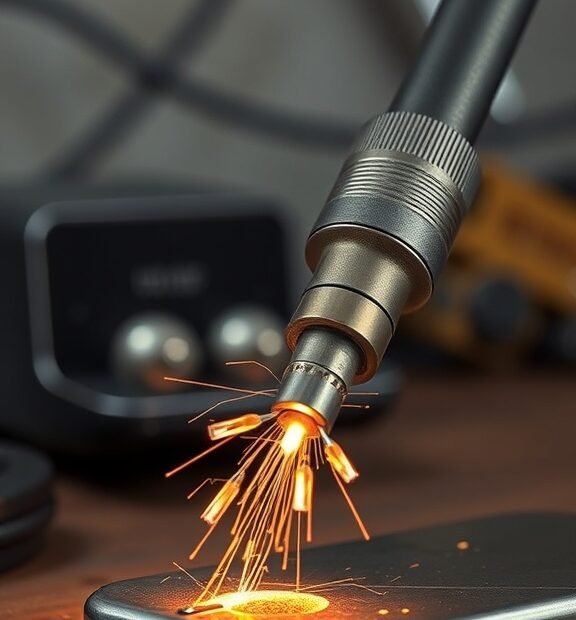
Step-by-Step Guide on How to Tin a New Soldering Iron
Tinning a new soldering iron is an essential skill for anyone who works with electronics. When you tin your soldering iron, you improve its performance and longevity. Tinning helps the iron conduct heat more effectively, making soldering tasks easier. Here, we will guide you through the process step-by-step to ensure you can tin your soldering iron successfully and confidently.
Gather Your Materials
Before starting, gather the necessary tools and materials to make the process smooth and efficient:
- A new soldering iron
- Solder (preferably rosin-core solder)
- Soldering iron stand
- Sponge or damp cloth
- Safety glasses
Safety First
Always prioritize safety when working with soldering irons. Put on your safety glasses to protect your eyes from any potential splashes when the solder melts. Ensure your workspace is clean, organized, and free from flammable materials.
Preparing Your Soldering Iron
Start by plugging in your soldering iron and allowing it to heat up for a few minutes. Ensure the tip reaches the right temperature; a properly heated tip is crucial for effective tinning. Remember that a cool tip will not hold solder well, while an overly hot tip can damage the iron.
Cleaning the Tip
Once your soldering iron is heated, it’s time to clean the tip. Use a damp sponge or cloth to wipe off any residue or oxidation that has formed on the tip. This step is vital as a clean surface allows the solder to adhere properly. Always be cautious when handling your soldering iron, as it gets very hot and can cause burns.
Tinning the Soldering Iron
Now, you’re ready to tin the soldering iron tip:
- Heat the Tip: Ensure that the tip is clean and hot. Holding the soldering iron at a slight angle helps you control the application of solder.
- Apply Solder: Feed a small amount of solder onto the tip of the iron. Allow the solder to melt and coat the tip evenly. You don’t need a lot; just enough to cover the surface will do.
- Spread the Solder: Gently move the iron around to evenly distribute the solder over the entire tip. This step ensures good heat transfer during future soldering tasks.
- Clean Excess Solder: If you notice any excess solder pooling up on the tip, wipe it off using your damp sponge. You want the tip to have a thin, even layer of solder, not a thick glob.
Final Touches
After successfully tinning the tip, unplug the soldering iron and place it in its stand. Allow it to cool down safely. You have now ensured that your soldering iron is ready for use. Tinning not only improves performance but also protects the tip from oxidation, extending the tool’s life.
Maintain Your Tinned Iron
To prolong the life of your soldering iron tip, maintain it regularly:
- Always clean the tip before and after each use.
- Re-tin the tip if you notice it becoming dull or oxidized.
- Store your soldering iron properly when not in use to avoid damage.
By consistently following these maintenance tips, you can keep your soldering iron in optimal condition. Proper care not only enhances your soldering experience but also ensures precision and efficiency in your projects.
Tinning a new soldering iron is a quick process that pays off immensely. It helps you achieve clean and strong solder joints, making your electronic projects more rewarding. So, the next time you grab your soldering iron, remember these steps. With the right preparation and care, your soldering tasks will become smoother and more enjoyable.
Common Mistakes to Avoid When Tinning a Soldering Iron
Tinning a soldering iron is a crucial step that can make or break your soldering experience. It’s not just about getting the iron ready; it’s about ensuring that it operates effectively and ensures a clean, reliable connection. However, many beginners—and even some experienced users—make common mistakes when tinning their soldering irons. Avoiding these mistakes will help you maintain a functional and efficient soldering iron.
Using the Wrong Type of Solder
Not all solder is created equal. A common mistake is using solder that is not suitable for the task. For electronics, you should use 60/40 tin-lead solder or lead-free solder like SAC305. Make sure to choose solder that has a flux core, as this helps improve the flow of solder and enhances the bonding. Always check the specifications of your components and follow safety guidelines for solder materials.
Failing to Clean the Tip Properly
Before you start tinning, the soldering iron tip must be clean. Neglecting this step is a frequent error. Use a damp sponge or a brass wool pad to remove any residual solder or oxidization from the tip. If the tip is dirty, the solder will not adhere well and can lead to ineffective solder joints. Regular cleaning is essential not just for tinning but also for maintaining optimal soldering performance.
Overheating the Iron
While you want the soldering iron to be hot, overheating it can cause the tip to oxidize too quickly. This can lead not only to poor soldering performance but also a shorter lifespan for your soldering iron. Aim for a temperature between 350°C to 400°C (662°F to 752°F) depending on the solder you are using. Always monitor heat levels to ensure longevity and efficiency.
Using Too Much Solder
It’s easy to think that more solder will create a better connection, but that’s misleading. Applying too much solder during the tinning process can create a mess and make it harder to control the soldering process later. A thin, even coat of solder is sufficient. Ideally, you just want enough to cover the tip evenly without any excess pooling.
Neglecting Safety Gear
Soldering can release fumes that may be harmful if inhaled. Not using proper safety gear is a common mistake. Always work in a well-ventilated area and consider using a fume extractor. Additionally, wear safety goggles to protect your eyes from accidental solder splashes. Your health is important, so never compromise on safety.
- Check Inhalation Risks: Always ensure that your workspace is well-ventilated.
- Wear Protective Gear: Safety glasses can prevent any solder splash from damaging your eyes.
Not Tinning After Use
One of the best practices for maintaining the longevity of your soldering iron is tinning it after each use. Unfortunately, many users forget this step. Not tinning the iron afterward can lead to oxidation and make it much harder to use later. A simple process of reapplying solder to the tip after you finish soldering can save you from future headaches.
Ignoring the Manufacturer’s Recommendations
Every soldering iron comes with specific guidelines from manufacturers, but not everyone pays attention to these. Ignoring these recommendations can lead to both poor performance and potential damage to your equipment. Always read the manual and follow the suggested practices for tinning and maintaining your soldering iron.
Not Practicing Enough
Soldering is a skill that improves with practice. Many beginners assume that once they tin their soldering iron correctly, they are ready to solder perfectly. However, mastering solder techniques takes time. Don’t rush the learning process. Spend time practicing on scrap materials to improve your skill and confidence.
Overlooking the Importance of Frequency
Another common oversight is not tinning often enough. If you let too much time pass between sessions, the soldering iron’s tip can become oxidized. Make a habit of checking and re-tinning your soldering iron regularly, especially if it has not been used for an extended period.
By being aware of these common mistakes, you can improve your skills and ensure that your soldering iron remains effective. Following best practices in tinning and maintenance will result in cleaner, more effective solder joints, prolonging the life of your tools and improving your overall soldering proficiency.
Conclusion
Tinning your new soldering iron is a crucial step in ensuring effective soldering results and prolonging the lifespan of your tool. By following the step-by-step guide outlined above, you can effectively apply solder to the tip, creating a protective layer that enhances heat transfer and prevents oxidation. Take your time during this process, as it sets the foundation for all your future soldering projects.
It’s equally important to be aware of common mistakes that can hinder your efforts. Avoid over-tinning, as excess solder can create a blob on the tip that makes it difficult to work with. Similarly, neglecting to clean the tip before applying solder can lead to poor adhesion and ineffective soldering. Understanding these pitfalls allows you to approach the tinning process with confidence, ensuring a well-prepared iron ready for any task.
By effectively tinning your new soldering iron and steering clear of typical missteps, you’re well on your way to achieving precise, clean connections in your electronics projects. Remember, regular maintenance and proper tinning will not only make your soldering easier but will also extend the life of your instrument, making for a more enjoyable and efficient experience. Happy soldering!