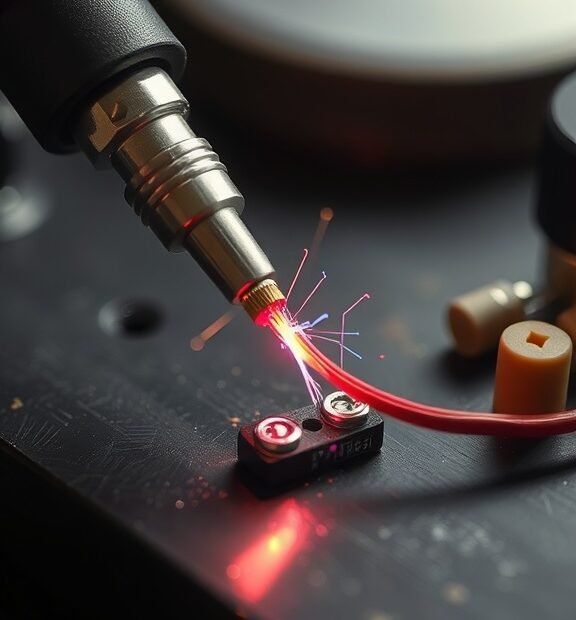
Effective Techniques for Soldering Wires with a Soldering Iron
Soldering wires is a fundamental skill for anyone working with electronics, whether you are a hobbyist or a professional technician. Knowing how to solder wires with a soldering iron effectively can help you create strong and reliable connections in your projects. With the right techniques and some practice, you can master the art of soldering. Here are some effective techniques that will assist you on your soldering journey.
Before you begin, gather all necessary tools and materials, such as:
- Soldering iron
- Solder (preferably rosin core)
- Wire strippers
- Soldering mat or stand
- Safety goggles
- Cleaning sponge or brass sponge
Once you have your tools ready, follow these steps to ensure effective soldering of wires:
Soldering Iron Kits & Accessories
First, prepare the wire. Strip about 1/2 inch of insulation from the end of each wire you plan to solder together. Make sure not to nick the wire strands, as this can weaken the connection. If you are soldering stranded wire, you can twist the strands together to make them fatter and easier to work with.
Next, it’s essential to tin your wires. Tinning means to apply a small amount of solder to the exposed wire strands before the actual soldering. This process helps in creating a better bond later on. To do this, heat the soldering iron and touch the tip to the exposed wire. Once heated, introduce solder to the connection until it melts and flows over the wire. Remove the solder and the soldering iron, allowing it to cool.
Soldering Iron Kits & Accessories
After the wires are tinned, it’s time to join them together. Align the tinned ends of the wires so they are touching. Hold them in place and apply the soldering iron tip to the junction of the wires. For about a second, let the heat transfer to both wires. Then, introduce solder to the connection. You’ll notice it flows and creates a solid joint. Once enough solder has melted, remove the solder and then the soldering iron, making sure to hold the wires still until the solder cools.
One of the vital techniques to master when learning how to solder wires with a soldering iron is understanding the right temperature. Most soldering irons can reach temperatures around 350°C (662°F). However, applying this much heat for too long can damage the components you are working on. A good rule of thumb is to keep the soldering iron in contact for no longer than 3 seconds to avoid burning anything. If the connection is not melting, try increasing the temperature slightly but be careful with this approach.
Soldering Iron Kits & Accessories
Cleaning your soldering iron tip is equally important. Before you start soldering, make sure to clean the tip using a damp sponge or brass sponge to remove old solder and oxidation. A clean tip transfers heat better, leading to quicker, more reliable joints.
Furthermore, maintaining the right distance is crucial. Keep your soldering iron tip touching the junction of the wires and not the solder directly. By doing this, you ensure that the heat is transmitted to both wires, allowing them to heat evenly. Using too much solder can make the joint weak, while too little can lead to a cold joint, so strive for a modest amount that creates a shiny and smooth connection.
Soldering Iron Kits & Accessories
Patience is key. Soldering is an acquired skill that improves with practice. Don’t be disheartened if your first few attempts aren’t perfect. Take the time to practice simple connections before moving on to more complex tasks. Over time, you will develop a feel for how much solder to use and how long to hold the iron on the wires.
Safety should always be a priority when you are soldering. Always wear safety goggles to protect your eyes from solder splashes and ensure you are working in a well-ventilated area. Solder fumes can be irritating, so consider using a fume extractor or simply allowing fresh air to circulate.
Soldering Iron Kits & Accessories
By following these effective techniques for soldering wires with a soldering iron, you will create secure and durable connections that stand the test of time. With practice, you’ll be able to tackle more advanced projects confidently.
Essential Tools and Safety Tips for Beginners in Soldering
If you’re interested in learning how to solder, it’s crucial to start off with the right tools and safety practices. Soldering can seem challenging, but with the right guidance, both beginners and seasoned crafters can excel. This guide outlines the essential tools you’ll need, along with vital safety tips that will help you get started on your soldering journey.
Essential Tools for Soldering
Before you can start soldering, you need a reliable set of tools. Here’s a list of the most important items you should gather:
Soldering Iron Kits & Accessories
- Soldering Iron: The primary tool for any soldering job. A good quality soldering iron usually has adjustable temperature control. This allows you to change the heat based on the materials you’re working with.
- Solder: This is the metal wire that you’ll melt to join two pieces of metal together. For electronics, it’s typically made of a mixture of tin and lead or a lead-free type. Each has its advantages and disadvantages, so choose based on your project.
- Soldering Iron Stand: A stand keeps your soldering iron secure and off your work surface, reducing the risk of accidental burns.
- Soldering Flux: Flux is a compound that helps the solder flow smoothly and bond properly to the metal. It’s particularly important for electronics.
- Soldering Wick: Also known as desoldering wick, this tool helps remove excess solder. You lay it over the solder, heat it with the iron, and the solder is drawn into the wick.
- Wire Cutters: Useful for trimming wire ends and cleaning up your work area. Ensure they are strong enough to cut through the gauge of wire you’re using.
- Safety Goggles: Protect your eyes from solder splashes. This is especially important when working with hot materials.
- Work Surface: Use a heat-resistant mat to protect your workbench from the soldering iron’s heat.
- Multimeter: A handy tool for checking connections, ensuring your soldering job is successful.
Safety Tips for Soldering
Soldering can present some hazards, especially for beginners. Follow these safety tips to keep yourself safe while you learn:
- Wear Protective Gear: Always put on safety goggles. If you’re working with lead solder, consider wearing gloves to protect your skin.
- Work in a Well-Ventilated Area: Solder can release fumes that are harmful if inhaled. Open windows or use a fan to ensure adequate airflow while you’re working.
- Keep a Fire Extinguisher Handy: Though soldering isn’t typically a fire hazard, it’s good to have a fire extinguisher in reach, just in case.
- Keep Your Work Area Clean: A tidy workspace reduces the risk of accidents. Clear away excess solder and wires when you’re finished soldering for the day.
- Handle the Soldering Iron Carefully: The tip of the soldering iron gets extremely hot. Always set it down in its stand and avoid direct contact with skin or flammable materials.
- Avoid Soldering When Tired: Fatigue can lead to mistakes and accidents. Make sure you are well-rested and focused before starting a session.
Getting Started with Your Soldering Project
Once you have your tools and safety measures in place, it’s time to dive into your first soldering project. Start with an easy task—such as soldering a few wires together or assembling a simple electronic circuit. Follow all instructions carefully, and don’t rush. Take your time to ensure each joint is secure.
Soldering Iron Kits & Accessories
Practicing your technique is essential. Try out different ways to hold the soldering iron and how you apply the solder. Soon, you will become more comfortable and confident in your abilities, allowing you to tackle more complex projects.
Remember that soldering is a skill that improves over time. With the right tools and a focus on safety, you can enjoy this rewarding craft without unnecessary risks. Embrace the learning process, and enjoy creating things with your newfound soldering skills!
Conclusion
Learning how to solder wires with a soldering iron is a valuable skill that opens the door to countless DIY projects and repairs. By mastering effective techniques, you can achieve strong, reliable connections, which are crucial in electronics work. Whether you’re joining wires for a hobbyist project or fixing a household appliance, the techniques you learned will significantly improve your soldering outcomes.
Soldering Iron Kits & Accessories
Equipping yourself with the essential tools is equally important. A good quality soldering iron, solder, and a stable work surface set the foundation for your work. Additionally, incorporating safety tips into your practice helps prevent accidents and injuries, which is particularly important for beginners. Protective eyewear and a well-ventilated workspace should be part of your soldering setup to ensure you can focus on your task without distractions from potential hazards.
As you continue to practice soldering, remember that patience and perseverance lead to improvement. Mistakes are a natural part of the learning process. The more you solder, the more confident you’ll become in your abilities. Whether you’re a beginner just starting or someone looking to refine your skills, the journey of learning how to solder wires will undoubtedly enrich your knowledge and capabilities. Embrace the experience, enjoy the craft, and soon you’ll find yourself creating durable, professional-looking solder joints with ease.