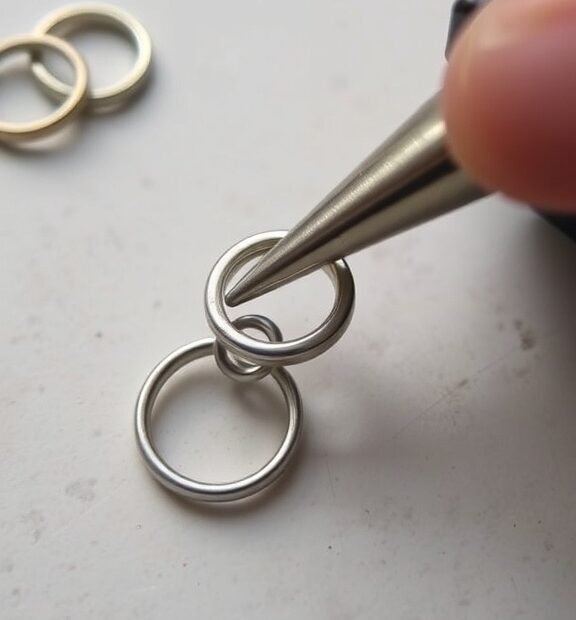
Techniques for Soldering Jump Rings with a Soldering Iron
Soldering jump rings can be a fantastic way to securely connect metal pieces in jewelry making. If you’re eager to learn how to solder jump rings with a soldering iron, you’re in the right place! This process allows for a seamless finish, ensuring that your pieces remain intact and look professionally made. Here’s everything you need to know to get started.
Materials Needed
- Soldering iron
- Solder (choose one appropriate for the metal used)
- Jump rings
- Flux
- Wire cutters
- Needle-nose pliers
- Heat-resistant surface
- Safety goggles
- Tweezers
Preparing the Jump Rings
Before you start soldering jump rings, ensure each ring is clean and free from oils or dirt. This is crucial because contaminants can prevent the solder from adhering properly. Use a little pickle solution or a simple soap to clean the rings, followed by rinsing with water. Dry them thoroughly to avoid sputtering when heat is applied.
Setting Up Your Workspace
Your workspace should be organized and safe. Find a heat-resistant surface, and ensure tools are within arm’s reach. Always use safety goggles to protect your eyes from any harmful fumes or accidental splashes of solder. Make sure to have adequate ventilation to help disperse smoke and fumes produced during the soldering process.
Heating the Soldering Iron
Turn on your soldering iron and allow it to reach the appropriate temperature. A good temperature for soldering jump rings is around 350°C (662°F). The goal is to get the iron hot enough to melt the solder quickly without overheating the jump ring itself, which can cause damage.
Applying Flux
Once the jump ring is prepared and your soldering iron is heated, the next step is to apply flux to the open end of the jump ring. Flux is crucial because it helps to clean the metal’s surface during the heating process and improves the flow of solder. Use a small brush or the applicator tip to apply a thin layer of flux to the area where the solder will be applied.
Soldering the Jump Ring
Using tweezers, hold the open jump ring steady. Place a tiny piece of solder on the fluxed area of the jump ring. Carefully touch the tip of your heated soldering iron to the solder piece and the jump ring simultaneously. The solder should begin to melt and flow into the gap of the jump ring, bonding the two ends together. It’s essential to keep the iron in place until you see the solder flow seamlessly.
Cooling and Cleaning
After soldering, remove the jump ring from the heat and allow it to cool in the air. Avoid moving it until it sets, as you may alter the shape of the ring. Once cooled, use wire cutters to remove any excess solder, and clean the joint again with pickle solution or soap to remove any remaining flux residue.
Inspecting the Join
After all cleaning is done, visually inspect the jump ring. The join should be smooth and nearly invisible. If you notice any gaps or discrepancies, you might need to re-solder it. In this case, repeat the process, ensuring to clean and apply fresh flux to the area before soldering again.
Tips for Success
- Practice with scrap metal to gain confidence.
- Work in a well-lit area to see details clearly.
- Don’t rush the process; take your time to avoid mistakes.
- Keep safety equipment handy at all times.
- Experiment with different types of solder suitable for your projects.
By following these steps, you’ll be well on your way to mastering the art of soldering jump rings with a soldering iron. Enjoy creating beautiful, durable jewelry pieces that showcase your skills! With practice, you’ll find that soldering becomes an intuitive part of your jewelry-making process.
Common Mistakes to Avoid When Soldering Jewelry Components
Soldering jewelry components is an essential skill for any jewelry maker. However, mistakes can easily occur, especially for beginners. Understanding the common pitfalls will help improve your soldering technique and lead to better results. Here are some frequent mistakes to watch out for:
Working Without Proper Preparation
One of the biggest mistakes is jumping straight into soldering without proper preparation. Ensure that you have all your tools and materials ready before starting. Gather your soldering iron, solder, flux, and safety equipment. Take the time to clean the surfaces you will be soldering. This prevents contamination and ensures a stronger bond.
Using Incorrect Solder Type
Not all solder is created equal. Different solders have varying melting points and compositions. For jewelry making, ensure you’re using a solder that matches the metal of your components. For example, using silver solder on copper items can cause issues. Make sure you choose the correct solder to achieve effective results.
Neglecting Safety Precautions
Your safety should always be your top priority when soldering. This includes wearing safety glasses and working in a well-ventilated area. Fumes from soldering can be harmful, so make sure to follow appropriate safety measures. Avoid wearing loose clothing or accessories that might catch fire or get in the way of your work.
Overheating the Materials
Overheating is a common mistake that can ruin your project. When you heat metal too much, it can oxidize or become weak, leading to breakage later. Use a steady hand and ensure you’re applying just enough heat to the joint. It’s better to take your time and gradually increase the heat than to rush the process.
Failing to Use Flux
Flux plays a crucial role in soldering. It helps to clean the metal surfaces and prevents oxidation during the heating process. Skipping flux can result in poor solder connections, as it creates an oxide layer that prevents the solder from flowing properly. Always apply the right amount of flux to ensure a clean bond.
Not Positioning Joints Correctly
Proper alignment is key when soldering. If your metal pieces aren’t aligned correctly, the solder won’t flow into the joint as it should. Make sure the components fit snugly together before starting to solder. You can use clamps or tweezers to hold the pieces in place while you work.
Tips for Better Joint Positioning:
- Use a third-hand tool to hold pieces together.
- Check alignment multiple times before heating.
- Use visualization techniques to plan your soldering path.
Applying Too Much Solder
Applying excess solder is a common mistake that can lead to messy joints. Instead of creating a neat connection, too much solder can create lumps and lead to weak points. Aim for a small amount of solder because it can spread evenly and create a strong bond. Use a soldering wire with a fine tip for better precision.
Skipping the Post-Soldering Cleanup
After soldering, many people forget to clean up the area. Residual flux and oxidation can cause further problems down the line, such as discoloration or weak joints. Use a pickle solution or a simple soap and water mix to clean your pieces thoroughly. This is an essential final step to ensure your jewelry remains in good condition.
Not Practicing Enough
Soldering is a skill that takes practice. Many beginners get frustrated when they don’t achieve perfect results immediately. Dedicate time to hone your technique, whether through small projects or practice pieces. With persistence, you will improve and gain confidence in your soldering abilities.
By keeping these common mistakes in mind, you can make your soldering process smoother and more efficient. Jewelry-making should be an enjoyable experience, and avoiding these pitfalls allows you to focus on creativity while ensuring the durability of your work.
Conclusion
Successfully soldering jump rings with a soldering iron is a skill that can elevate your jewelry-making capabilities. By employing the right techniques, such as preheating the soldering iron, using flux to improve the flow of solder, and applying the solder carefully, you can ensure a strong and neat bond. Mastering these methods will not only make your pieces more durable but also enhance their overall appearance.
However, even the most experienced jewelry maker can encounter challenges. Common mistakes can lead to frustration and wasted materials. Being aware of issues like overheating or not securing your jump rings properly can save you time and resources. Always check your work for alignment and ensure that you’re using the right type of solder for your metal to achieve the best results.
As you practice, remember that soldering is as much about patience as it is about technique. Don’t be discouraged by initial setbacks, as each piece you create is a stepping stone to improvement. With persistence and a keen eye, you will soon develop your own soldering style. Embrace the learning process, and soon, soldering jump rings will become an effortless part of your jewelry-making routine.
Explore different designs and techniques as you gain confidence. Let your creativity shine through your soldering work, transforming simple materials into beautiful handcrafted items. The joy of crafting jewelry lies not just in the final product but in the skills you develop along the journey.