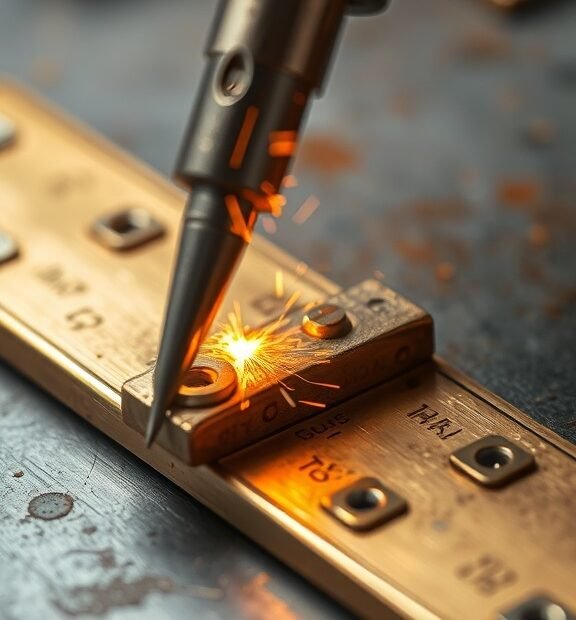
Techniques and Tips for Soldering Brass with a Soldering Iron
Soldering brass can be a rewarding skill, whether you’re working on a hobby project or making repairs. It requires a bit of practice and the right techniques to achieve strong and durable connections. Here’s a detailed guide to help you solder brass effectively with a soldering iron.
Understanding Brass and Its Properties
Brass is an alloy composed mainly of copper and zinc. It’s known for its excellent corrosion resistance and attractive appearance. However, because it can be tricky to solder, it’s important to understand how to work with this material before diving into your project.
Gathering Your Materials
Before you start soldering, make sure you have the necessary tools and materials:
Soldering Iron Kits & Accessories
- Soldering Iron: A soldering iron with adjustable temperature control is ideal for soldering brass.
- Solder: Use a high-quality solder that contains a flux core. For brass, 60/40 tin-lead solder works well, but lead-free options are available too.
- Flux: Apply a suitable flux to ensure a strong bond. This helps to clean the surfaces and makes solder flow better.
- Brass Pieces: Ensure the brass parts you are working with are clean and free from contaminants.
- Safety Gear: Consider wearing gloves and safety glasses to protect yourself.
Preparing the Brass Surface
The first step in soldering brass is to prepare the surface. Follow these steps for optimal results:
- Clean: Remove any dirt, oil, or oxidation from the brass surfaces using sandpaper or a wire brush.
- Apply Flux: Spread a thin layer of flux on the areas where the pieces will connect. This helps to prevent oxidation during heating.
- Fit the Pieces: Ensure that the brass parts fit tightly together. A snug fit will enhance the solder’s strength.
Heating the Brass
The next critical step is to heat the brass evenly:
Soldering Iron Kits & Accessories
- Turn on your soldering iron and set it to a temperature between 350°F to 400°F (177°C to 204°C).
- Hold the soldering iron against one of the brass pieces for a few seconds, allowing it to absorb the heat. Make sure to heat the joint area rather than the solder itself.
- Once the brass is hot enough, the solder will flow when it touches the joint.
Soldering the Brass
Now that everything is in place, it’s time to solder:
- Introduce the Solder: Bring the solder wire close to the joint and allow it to melt into the space between the two brass pieces.
- Move the Iron: Continue to apply heat with the iron until the solder flows freely around the joint.
- Inspect the Joint: After the solder has cooled, check for gaps or poor connections. If necessary, reheat and add more solder.
Cooling and Finishing Touches
Once you have achieved a solid connection, let it cool naturally. Avoid moving the pieces until they are completely cool to ensure the solder sets correctly.
Soldering Iron Kits & Accessories
Common Challenges and Troubleshooting
While soldering brass can seem straightforward, you may encounter challenges:
- Poor Solder Flow: If the solder doesn’t flow well, it may be due to insufficient heat. Ensure your soldering iron is adequately heated and that you are applying it to the brass itself.
- Oxidation Issues: If the surface oxidizes too quickly, clean it again and apply more flux.
- Weak Joints: If the joint feels weak after cooling, you may need to reheat the area and add more solder.
Practicing Your Skills
Like any skill, soldering takes practice. Try working on scrap pieces of brass to refine your technique before tackling more complex projects. Over time, you’ll feel more confident in your soldering abilities.
Soldering Iron Kits & Accessories
By using the right techniques and tools, you can solder brass effectively. With these tips, you should be well on your way to successfully completing your soldering projects. Happy soldering!
Common Mistakes to Avoid When Soldering Brass
Soldering brass can be a rewarding activity whether you’re working on a model, repairing plumbing, or crafting artistic metalwork. However, several common mistakes can lead to poor results or even damaged materials. Knowing what to avoid can help ensure a successful soldering experience.
Using the Wrong Solder
Not all solders are created equal. It’s crucial to choose a solder specifically designed for brass. Many hobbyists mistakenly use lead-based solder instead of the copper-zinc alloy, resulting in weak connections. Always read the specifications on the solder package and ensure it’s suitable for brass.
Soldering Iron Kits & Accessories
Insufficient Cleaning of Surfaces
Before soldering, it’s essential to clean the brass surfaces thoroughly. Any oils, oxidation, or dirt can prevent solder from adhering properly, compromising the strength of the joint. Use a fine abrasive pad or a professional brass cleaner to prepare your pieces. Remember, clean surfaces make for strong bonds!
Improper Heat Application
Another frequent mistake is applying heat incorrectly. If the soldering iron is too hot, it can damage the brass or burn the solder, resulting in a poor bond. Conversely, if it’s not hot enough, the solder will not flow properly. Aim for a temperature between 350°F and 500°F for brass soldering to achieve optimal results.
Soldering Iron Kits & Accessories
Ignoring Flux
Using flux is critical in soldering brass. Flux helps to prevent oxidation during the heating process and improves solder flow. Many beginners either forget to use flux or apply insufficient amounts. A small dab of flux on both surfaces before heating will dramatically improve your chances of a successful joint.
Soldering Too Quickly
Patience is key when soldering brass. Many people rush the process, thinking they can get the job done faster. However, solder needs time to flow and bond effectively to the metal. Apply heat evenly to each piece and allow the solder to melt and flow naturally. This approach will result in better connections.
Soldering Iron Kits & Accessories
Not Testing the Connection
Soldering doesn’t end when you see the molten solder flow. After cooling, ensure that the joint holds firm. Many newcomers neglect to test the strength of the connection. You can perform a gentle tug or twist to verify the integrity of the bond. Always double-check before fully assembling your project.
Skipping the Protective Gear
Safety should always come first. A common mistake is forgetting to use protective gear such as goggles and gloves. Even a small splash of solder can cause serious burns. Make sure you’ve equipped yourself properly before starting to solder. Remember, protecting yourself will enable you to work confidently and more effectively in the long run.
Soldering Iron Kits & Accessories
Using an Inappropriate Soldering Iron
Selecting the right soldering iron is essential. Many beginners mistakenly choose a small, weak soldering iron, resulting in inadequate heat distribution. Opt for a soldering iron with a chisel tip, which provides better contact with the brass. This maximizes heat transfer and creates a more reliable joint.
Overusing Solder
Less is more when it comes to soldering brass. A common mistake is applying too much solder. This not only looks messy but can make it harder for the solder to bond with the metal. Instead, focus on applying just the right amount to achieve a clean, strong joint without excess.
Soldering Iron Kits & Accessories
Ignoring Practice
Recognize that practice makes perfect. Many aspiring hobbyists expect to achieve perfect results on their first try. Everyone makes mistakes, and soldering requires skill and finesse. Create test pieces with scrap brass and practice your technique before tackling the main project. This investment in learning improves your soldering significantly.
Avoiding these common pitfalls can save you time, frustration, and materials. With careful attention to detail, the right tools, and proper techniques, you can achieve great results when soldering brass. Happy soldering!
Conclusion
Mastering the art of soldering brass with a soldering iron can open up a world of creativity in your projects. By employing the right techniques and tips, you can achieve strong and clean joints that will stand the test of time. Always ensure that both surfaces are thoroughly cleaned and properly heated for optimal solder flow. Remember to choose the correct type of solder—one that is suitable for brass—to enhance the strength and quality of your work.
Soldering Iron Kits & Accessories
Avoiding common pitfalls is equally important. Many beginners make the mistake of overheating the brass or not using enough solder, which can lead to weak joints. Rushing the process can also result in poor connections. Take your time to ensure all components are well-prepped and that you are patient throughout the soldering process.
Regular practice will help you refine your skills and develop a feel for the right techniques. With every project, you will grow more confident in your ability to solder brass effectively. By combining good soldering practices with an awareness of what not to do, you are well on your way to creating impressive metalwork.
Soldering Iron Kits & Accessories
Remember, whether you’re working on small repairs or larger constructions, each successful soldering experience builds your expertise. Embrace the learning curve and don’t hesitate to experiment with different approaches. With dedication and the right knowledge, your soldering skills will undoubtedly flourish. Enjoy the process, and happy soldering!