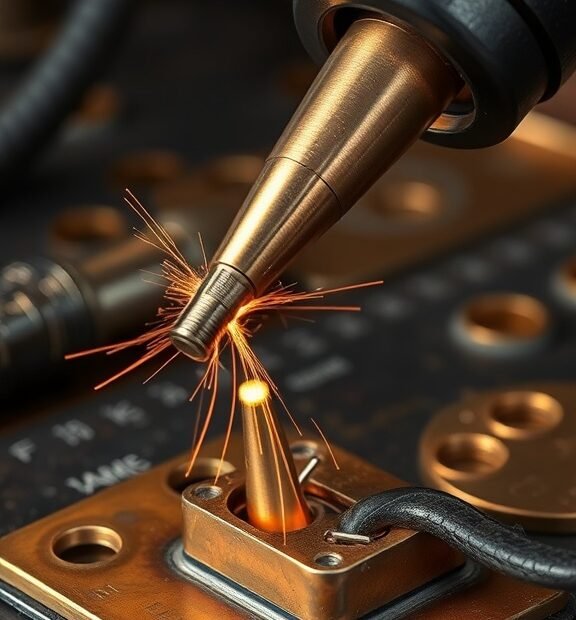
Techniques and Tips for Soldering Brass with a Soldering Iron
Soldering brass can seem tricky, but with the right techniques and tips, you can achieve a strong and clean joint. Brass is commonly used in various applications due to its durability and aesthetic appeal. Here, we will guide you through the essential steps and best practices to solder brass successfully using a soldering iron.
Before jumping into the process, it’s crucial to gather the right materials. You will need:
- A soldering iron (preferably with a fine tip)
- Brass pieces to be joined
- Solder (choose a suitable type, such as lead-free solder)
- Flux (rosin-based flux is ideal for brass)
- Cleaning materials (such as sandpaper or a wire brush)
- Soldering stand or holder
- Safety glasses and gloves
Start by preparing your brass pieces. Clean both surfaces thoroughly to remove any dirt, grease, or oxidation. Use sandpaper or a wire brush to ensure a shiny finish. This step is crucial because if the surfaces are not clean, the solder won’t adhere well, leading to a weak connection. After cleaning, you may want to apply flux on the areas where you will solder. Flux helps in removing oxide layers and facilitates the flow of solder.
Soldering Stations | Easy 60 Day Return
Next, set up your work area for safe soldering. Ensure that you have a stable surface, and place your soldering iron on a stand. Before heating up the soldering iron, put on your safety glasses and gloves to protect yourself from unexpected splashes and heat.
Now, heat your soldering iron. Allow it to reach the right temperature, ideally around 350°C (662°F), but this can vary based on the soldering iron you are using. A well-heated soldering iron ensures that the solder flows easily and bonds with the brass.
Soldering Stations | Easy 60 Day Return
Once your soldering iron is ready, position the brass pieces together. Make sure they are snugly fit. Place the tip of the soldering iron on the brass joint. Hold it for a few seconds to transfer heat to the joint. You’ll notice the brass starting to get shiny and may emit a faint smell due to the flux melting.
After applying heat, introduce the solder. Touch the solder to the heated joint, not directly to the soldering iron. The heat from the brass should melt the solder, allowing it to flow into the joint. If the solder doesn’t flow easily, you may need to heat the joint a little longer. Avoid overdoing it, as excessive heat can damage the brass or create holes.
Soldering Stations | Easy 60 Day Return
As you add solder, ensure it covers the joint evenly. It’s crucial to apply just enough solder; too much can create a messy appearance. Once you’ve filled the joint, remove the solder and let the soldering iron cool slightly before retracting it from the joint.
After you’ve finished soldering, allow the joint to cool naturally. Faster cooling through water may cause cracks. Once cooled, inspect the joint for any cracks or weak spots. A good solder joint should appear shiny and have a smooth, even surface.
Soldering Stations | Easy 60 Day Return
Some additional tips to keep in mind:
- Practice on scrap pieces first to build your confidence.
- If you’re struggling with solder flow, try applying more flux.
- Be patient and allow time for cooling; rushing can lead to mistakes.
- Keep your soldering iron tip clean to improve solder flow.
In your soldering journey, you will encounter more complex joints and repairs related to brass. Each project may have its nuances, but by mastering these basic techniques and tips, you set a strong foundation for all future soldering endeavors. Remember, practice makes perfect, so don’t hesitate to hone your skills continuously in this rewarding craft!
Common Mistakes to Avoid When Soldering Brass
Soldering brass can be a rewarding yet challenging task. As you work with this metal, there are several common mistakes that you should be aware of to ensure a successful solder joint. Being mindful of these pitfalls will not only save you time but also improve the quality of your work significantly.
Soldering Stations | Easy 60 Day Return
One of the most frequent mistakes people make is using the wrong type of solder. Brass demands a specific type of solder that can bond effectively. For most brass applications, you should opt for solder formulated for metals, specifically those containing zinc or lead-free options. Additionally, avoid using solder designed for copper, as it may not adhere well to brass. When you choose the right solder, you ensure a stronger bond and a cleaner finish.
Another common error is neglecting proper surface preparation. Before you start soldering, it’s crucial to clean the brass components thoroughly. Use a wire brush or a file to remove any oxidation or dirt. This step is essential because impurities can weaken the bond between the solder and the brass. Ensuring a clean surface will lead to a more reliable and aesthetically pleasing solder joint.
Soldering Stations | Easy 60 Day Return
Temperature control is also vital. Many beginners may not properly heat their soldering iron or the brass pieces. Ideally, the solder should melt at a temperature lower than the melting point of brass. When applying heat, make sure that the brass joint is adequately preheated to help the solder flow properly. If the brass is too cold, the solder won’t adhere well; too hot, and you risk damaging the brass. Always test your soldering iron to ensure it’s at the appropriate temperature before you start working on your project.
In addition to heating, another mistake is not using enough solder. Many novice solderers tend to apply too little solder, resulting in weak joints that may break under stress. As you work, make sure to use an adequate amount of solder to fill the joint properly. A good visual indicator is to ensure that the solder flows into the joint cavity completely without gaps or voids.
Soldering Stations | Easy 60 Day Return
Improper technique is also a considerable factor in the overall quality of your solder joints. While soldering, it’s important to apply the solder to the joint rather than directly onto the soldering iron. This method allows the solder to flow into the joint easily and creates a stronger bond. Remember to keep the iron in contact with the brass long enough for it to heat up and allow the solder to flow smoothly.
Another common oversight is rushing the cooling process. Once the solder has been applied, resist the urge to touch or move the joint immediately. Allow it to cool naturally. Quenching (rapidly cooling the joint in water) can lead to fractures or weak points within the bond. Be patient, as letting the joint cool on its own enhances the structural integrity.
Soldering Stations | Easy 60 Day Return
It’s also essential to keep an eye on the soldering environment. Working in a too-dry or humid space can affect how effectively the solder bonds to the brass. Make sure your workspace is clean and free from distractions. A cluttered work area can lead to accidents or mistakes in your soldering process.
Do not underestimate the importance of safety when soldering brass. Always wear proper eye protection to shield from potential splashes of hot solder. Additionally, ensure that your workspace is well-ventilated. Soldering can produce fumes that, while usually minimal, can be harmful when inhaled in a confined space. Taking appropriate safety precautions is crucial for a successful and safe soldering experience.
Soldering Stations | Easy 60 Day Return
Avoiding these common mistakes when soldering brass will not only improve your skills but will also lead to stronger and more reliable joints. From using the correct solder and preparing surfaces properly to practicing good technique and safety measures, each of these steps plays a vital role in producing high-quality results. With practice and attention to detail, you’ll be able to achieve excellent solder joints in your brass projects.
Conclusion
Successfully soldering brass with a soldering iron requires a combination of the right techniques and careful attention to detail. By mastering specific methods such as cleaning your materials, using the appropriate solder, and applying the right amount of heat, you can achieve strong and durable joints. Remember to always ensure that your brass surfaces are free from oxidation and contaminants, as this will greatly enhance solder adhesion.
It’s also crucial to stay mindful of common mistakes that can hinder your progress. Avoid overheating the brass, as this can damage the material and lead to weak solder joints. Using an insufficient amount of solder or failing to adequately clean the brass can result in poor connections that might need rework. Knowing what traps to steer clear of can save you time and frustration, allowing you to achieve a better finished product.
Soldering Stations | Easy 60 Day Return
As you embark on your soldering projects, keep these techniques and pitfalls in mind. With practice and patience, you can hone your skills and create beautiful, functional brass pieces. There’s a satisfaction that comes from mastering soldering, turning simple components into sturdy creations. Whether you’re a hobbyist or just getting started, these guidelines will set you on the path to solid, successful soldering. Embrace the learning process, and soon enough, soldering brass will become a rewarding and enjoyable part of your toolkit.