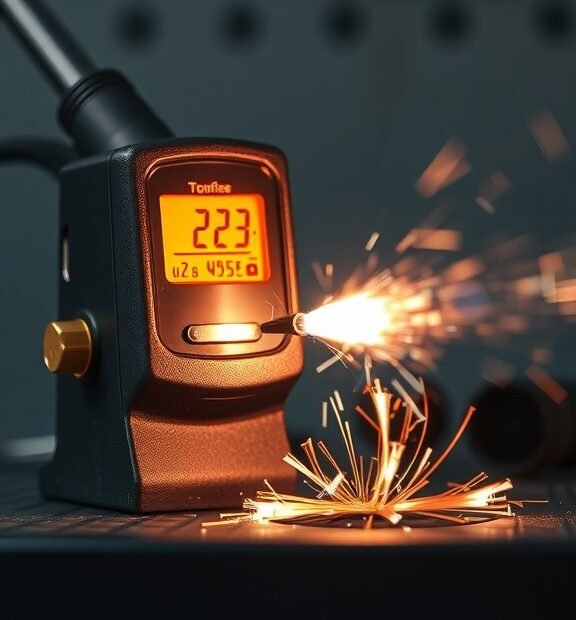
Understanding How to Set Soldering Iron Temperature for Optimal Results
Soldering is a crucial skill for anyone in electronics, model making, or DIY projects. One important aspect of soldering is knowing how to set the soldering iron temperature for optimal results. The right temperature ensures that the solder melts properly, allowing for strong and reliable connections. Too high or too low a temperature can lead to problems, such as damaging components or failing to create a proper joint. This article will guide you through the steps to properly set your soldering iron’s temperature.
First, it’s important to understand how solder works. Solder is usually a combination of tin and lead, or lead-free alternatives, that melts when heated. The melting point varies depending on the type of solder you are using. Knowing the type of solder is your first step in determining the right temperature.
Here’s a quick reference for common solder types and their melting points:
- Lead-based solder (e.g., 60/40): melts at about 183°C (361°F).
- Lead-free solder (e.g., SAC305): melts at about 217°C (423°F).
- Lead-free solder (e.g., Sn/Ag/Cu): melts at about 217-220°C (423-428°F).
Once you know your solder type, you can adjust your soldering iron accordingly. Here’s a simple guide on how to set the temperature:
- Check the Iron’s Specifications: Every soldering iron is different. Read the manual to find the recommended temperature settings for your specific model.
- Adjust the Temperature: Most modern soldering irons have adjustable temperature settings—old models may have fixed temperatures. Set the iron to a slightly higher temperature than the melting point of your solder.
- Allow Time to Heat: Give your soldering iron time to reach the set temperature. This usually takes a few minutes. An unheated iron will not melt solder efficiently.
- Test the Temperature: To check if the temperature is right, touch the tip of your soldering iron to a small amount of solder. It should melt almost instantly. If it doesn’t, increase the temperature slightly.
- Monitor While Soldering: During your soldering process, keep an eye on the joint. If you notice that solder is bubbling or oxidizing, the temperature might be too high, leading to a poor connection. Lower the temperature if necessary.
Maintaining an appropriate temperature is not just about melting solder. It’s also about preserving the integrity of the components you are working with. Sensitive electronic components can be easily damaged by excessive heat, leading to irreversible damage. Therefore, a careful balance is needed.
Additionally, always remember to use the correct soldering tip. Different tips offer different thermal properties. A fine tip will transfer heat quickly and can be beneficial for delicate work, while a wider tip may be more appropriate for larger joints. Choosing the wrong tip can also affect how effectively you can maintain the needed temperature.
Here are some extra tips to ensure you get the best results:
- Make sure the tip of the soldering iron is clean. A dirty tip can affect heat transfer.
- Use flux to improve solder flow. This helps reduce the required temperature while ensuring a better joint.
- Practice good technique. Move the soldering iron across the joint, and then add solder to the heated area, allowing it to flow into the joint.
- If you are working on a project that requires multiple solder joints, it might be worth investing in a soldering station with a digital readout for precise temperature control.
Mastering how to set soldering iron temperature can significantly impact your soldering results. By understanding the properties of your solder and regularly adjusting the temperature to match those needs, you can create strong, reliable connections in your projects. Proper technique and maintenance are keys to providing high-quality results every time.
Common Mistakes When Adjusting Soldering Iron Temperature and How to Avoid Them
When you’re working with a soldering iron, knowing how to set soldering iron temperature correctly is vital for the quality of your work. Mistakes in this process can lead to damage, poor connections, or even safety hazards. Here are some common errors you might encounter when adjusting your soldering iron temperature, along with tips on how to avoid them.
Not Understanding the Material
One of the most common mistakes is not considering the material you are working with. Different materials require different soldering temperatures. For instance, soldering electronics generally requires a lower temperature compared to soldering metal pipes.
Make sure to check the specifications of the solder you’re using. Most solders, like lead-free solder, typically require higher temperatures than traditional lead solder. A good rule of thumb is:
- For lead-based solder: 350°C (662°F)
- For lead-free solder: 370-400°C (698-752°F)
By understanding the material, you can set the temperature on your soldering iron more accurately.
Ignoring the Type of Tip
Another mistake is neglecting the type of tip your soldering iron has. The size and shape of the tip can influence heat transfer. A finer tip will heat up faster and may reach high temperatures quickly, while a broader tip will hold heat better for larger surfaces.
When using a fine tip for delicate components, a lower temperature may be more suitable to prevent damage. On the other hand, when working with larger surfaces, you might need a higher temperature to ensure proper solder flow. Adjust your settings based on the tip you’re using.
Overlooking Temperature Calibration
Temperature calibration is a step that many users forget. Before you start soldering, it’s a good idea to check if your soldering iron is calibrated correctly. A temperature difference can greatly affect your soldering process.
Use a temperature gauge or thermal camera to ensure your soldering iron is reaching the desired temperature. If your iron is off by even 10-20 degrees, it can lead to poor soldering quality.
Setting the Temperature Too High
Setting the soldering iron temperature too high is a frequent mistake that can cause serious issues. Overheating can lead to burnt components or damaged circuit boards. If you’re unsure about the appropriate temperature setting, it’s better to start lower, gradually increasing the temperature if necessary.
Remember that you can always reheat a joint if the solder isn’t flowing, but it’s much harder to fix a burnt component. Aiming for precision helps you avoid unnecessary damage in the first place.
Forgetting to Clean the Tip
A clean soldering iron tip is crucial for effective soldering. Burnt solder and oxidation can build up on the tip, affecting its ability to transfer heat efficiently. This may lead you to adjust the temperature unnecessarily or apply the wrong heat to the materials.
Before starting your work, be sure to clean the tip using a wet sponge or brass wool. Maintaining a clean tip will ensure it heats evenly and can help you achieve optimal soldering temperatures.
Not Adjusting for Soldering Environment
The working environment can also influence how you set your soldering iron temperature. Factors like humidity and ventilation can impact heat dissipation. If you’re indoors with better temperature control, a different setting may be appropriate than if you’re in a cold or drafty environment.
Ignoring Personal Safety
Last but not least, safety should be a priority. High temperatures not only pose risks to components but also to your safety. Always use protective gear, including safety glasses and a heat-resistant mat. Make sure to work in a well-ventilated area to avoid inhaling fumes.
By staying vigilant about these common mistakes, you can maximize your soldering efficiency and outcome. Taking the time to adjust your soldering iron temperature correctly will lead to better soldering results and help you create high-quality connections.
Conclusion
Getting the right soldering iron temperature is crucial for achieving the best results in your projects. By understanding how to set soldering iron temperature properly, you ensure strong and reliable connections while avoiding damage to components.
Awareness of common mistakes—like setting the temperature too high or too low—can save you time and materials. Remember, each soldering task may require a different temperature, and adjusting your iron accordingly allows for better precision and control. Using the right tools, such as a temperature-controlled soldering iron, further enhances your capability to solder effectively.
Don’t overlook the importance of practice, too. The more you work with your soldering iron, the better you’ll understand how temperature affects your soldering experience. Pay close attention to the materials you’re working with, and always adjust as needed for optimal results.
By following these guidelines, you’ll not only improve your soldering skills but also gain confidence in your ability to produce high-quality electrical connections. Whether you are a beginner or looking to refine your techniques, mastering how to set soldering iron temperature will undoubtedly lead to success in your projects.