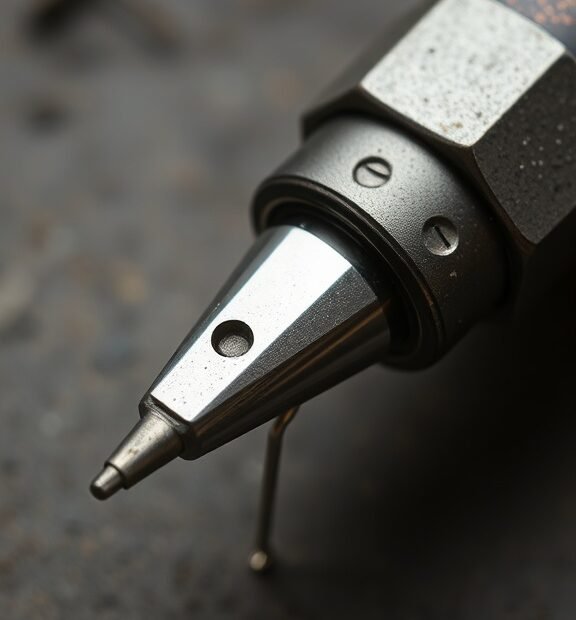
How to Replace a Soldering Iron Tip: A Step-by-Step Guide
Replacing a soldering iron tip is essential for maintaining the quality and efficiency of your soldering tasks. A worn-out or damaged tip can lead to poor connection quality, overheating of components, and overall disappointing results in your projects. Here is a detailed guide on how to replace a soldering iron tip effectively.
Gather Your Tools
Before you begin, ensure you have the following items ready:
- A new soldering iron tip
- Soldering iron
- Pair of pliers (optional)
- Safety gloves (optional)
- Cleaning sponge or brass cleaner
- Screwdriver (if applicable)
Step-by-Step Replacement Process
Step 1: Power Down Your Soldering Iron
First, ensure that your soldering iron is turned off and unplugged. This is crucial not only for your safety but also to prevent any damage to the soldering iron or yourself while handling the tool.
Soldering Iron Kits & Accessories
Step 2: Allow It to Cool
Let the soldering iron cool down completely. Working with a hot soldering tip can lead to serious burns. Always prioritize safety first.
Step 3: Remove the Old Tip
Once the iron is cool, locate the old soldering tip. Depending on your soldering iron model, you can usually twist or pull off the tip. If it’s stuck due to residue, use a pair of pliers to carefully twist it free. Be cautious to avoid damaging the iron’s heating element.
Soldering Iron Kits & Accessories
Step 4: Clean the Soldering Iron
Before attaching the new tip, take a moment to clean the soldering iron’s shaft. Use a damp sponge or a brass cleaner to wipe away any leftover solder and charred material. This step ensures a proper fit for the new tip and improves heat transfer.
Step 5: Attach the New Tip
Now, take your new soldering iron tip and align it with the heating element. Push or twist the tip onto the shaft until it fits snugly. Make sure it’s securely attached, as a loose tip can lead to inconsistent heating and soldering problems.
Soldering Iron Kits & Accessories
Step 6: Test the New Tip
After attaching the new tip, plug in the soldering iron and turn it on. Allow it to heat up; this usually takes only a minute or so. Once hot, check for proper heat by applying a small amount of solder to the tip. It should melt quickly and evenly cover the tip. If it doesn’t, check that the tip is properly secured and clean.
Regular Maintenance Tips
To prolong the life of your soldering iron tips, follow these maintenance tips:
Soldering Iron Kits & Accessories
- Always keep the tip clean by wiping it on a damp sponge or brass cleaner during use.
- Avoid overheating your soldering iron, as excessive heat can cause tips to oxidize.
- Store your soldering iron with a coating of solder on the tip to protect it.
- Regularly inspect your tips for wear and replace them as needed.
Soldering Tip Types
Soldering tips come in various shapes and sizes, each suited for different tasks. Consider the following common types:
- Chisel Tip: Great for general-purpose soldering.
- Conical Tip: Ideal for precision work and small components.
- Knife Tip: Useful for spreading solder over larger areas.
Choosing the right tip for your project can enhance your soldering quality and efficiency.
Soldering Iron Kits & Accessories
of Tips on Replacing a Soldering Iron Tip
Knowing how to replace a soldering iron tip is a valuable skill that can significantly enhance your soldering experience. By following these steps carefully, you can ensure that your soldering tasks are performed smoothly and effectively. Regular maintenance and awareness of the type of tip you use will also help achieve the best results in your projects.
Choosing the Right Soldering Iron Tip for Your Projects
When you dive into soldering, using the right soldering iron tip can greatly influence your project’s success. Whether you’re working on electronics, jewelry, or repairs, understanding how to choose the appropriate soldering iron tip will make your job easier and more efficient.
First, let’s explore the types of soldering iron tips available. Each type is designed for specific tasks and knowing their characteristics can help you pick the best one for your needs:
Soldering Iron Kits & Accessories
- Pointed Tips: These tips are shaped like a cone and ideal for precision work. They let you solder tiny components or reach into tight spaces. Use them when you need detailed work or when soldering small circuit boards.
- Chisel Tips: With a flat edge, chisel tips are perfect for transferring more heat quickly and are great for larger solder joints. They are commonly used in PCB assembly where larger connections are required.
- Bevel Tips: These tips, which have a slanted edge, combine features of both pointed and chisel tips. They are versatile and suitable for various tasks, making them a good choice for multi-purpose soldering.
- Knife Tips: Knife tips are excellent for drag soldering—perfect for soldering multiple pins in a row on a chip or a header. They provide both heat and control for a clean finish.
Choosing the right tip depends on several factors. Consider the complexity of your project. If you need to work on densely packed areas on a circuit board, a pointed tip will allow you precise control. If you’re soldering larger components, a chisel or bevel tip could save time and effort.
Another aspect to consider is the type of solder you’re using. For instance, lead-free solder requires higher temperatures to melt effectively, so using a larger tip can help deliver heat more efficiently. If you’re using a thinner solder, a finer tip might be more beneficial to avoid overheating and damaging delicate components.
Soldering Iron Kits & Accessories
Maintaining your soldering iron tip is also an essential part of ensuring effective performance. Proper care contributes greatly to the lifespan of your soldering iron tip, including:
- Cleaning Regularly: After each use, clean the tip with a wet sponge or a tip cleaner. This prevents oxidation from building up, allowing the tip to transfer heat effectively.
- Tinning the Tip: Tinning involves applying a small amount of solder to the tip when it’s hot. This helps in heat conduction and protects it from oxidation.
- Storing Properly: When not in use, keep the soldering iron turned off and at a lower temperature. Store in a proper holder to avoid unnecessary damage to the tip.
Different soldering projects require different approaches. If you’re experimenting with circuit board design, a finer tip can help you maneuver around small components. Conversely, for assembly on larger fixtures, a heavy-duty tip will reduce the amount of heat loss and speed up your work.
Soldering Iron Kits & Accessories
Make sure to replace tips that are worn out or damaged. A good soldering experience heavily relies on a well-functioning soldering iron tip. Replacing the soldering iron tip is straightforward. Just ensure the iron is unplugged and cool, unscrew the old tip, and screw in the new one until it’s secure.
In addition to functionality, don’t forget about compatibility. Ensure that the tips match the model of your soldering iron. Not all tips fit every iron, and using an incompatible tip can lead to poor performance or even damage to your tool.
Soldering Iron Kits & Accessories
Ultimately, becoming adept at choosing the right soldering iron tip for your projects is a valuable skill. Take the time to understand your specific needs, the materials you’re working with, and the intricacies of the tips available. With the right tip in hand, you’ll find your soldering tasks become simpler, faster, and more enjoyable.
Conclusion
Replacing a soldering iron tip is a simple process that can significantly enhance your soldering experience. By following the step-by-step guide provided earlier, you can ensure that you handle your tools safely and effectively, leading to improved results in your projects. Remember, a well-maintained tip is essential for achieving the best soldering quality.
When choosing the right soldering iron tip, consider the specific requirements of your projects. Different jobs call for different tip shapes and sizes. Whether you need a fine point for intricate electronic work or a chisel tip for broader applications, selecting the appropriate tip can make a considerable difference in your precision and efficiency.
Soldering Iron Kits & Accessories
Regularly replacing your soldering iron tip not only ensures optimal performance but also extends the life of your soldering iron. By staying informed about your options and understanding when to replace the tip, you can maintain high standards in your soldering projects.
Ultimately, keeping your soldering tools in top shape is vital for achieving great results. With proper care and consideration, you can tackle various soldering tasks with confidence and ease. So, invest the time to implement these tips and enjoy a smoother soldering experience that leads to successful outcomes every time.