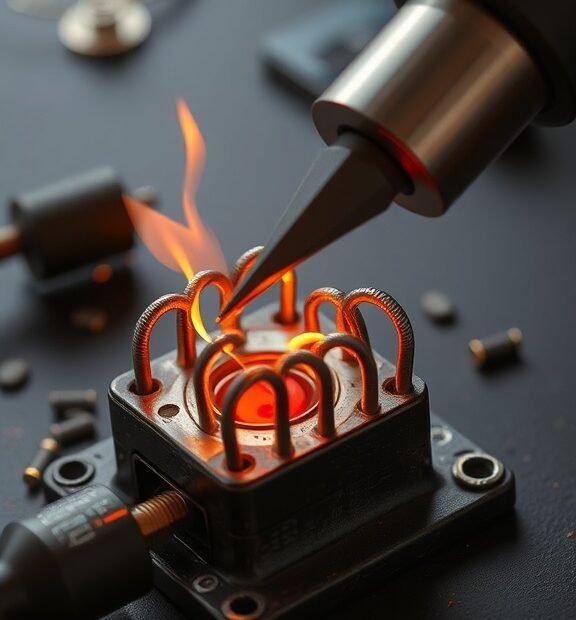
Steps to Repair a Soldering Iron Heating Element
Soldering irons are essential tools for electronics enthusiasts and professionals alike. However, over time, the heating element can fail, leading to frustration during projects. If you’re wondering how to repair a soldering iron heating element, this guide will walk you through the steps to get it working again efficiently.
Identifying the Problem
Before you start the repair process, it’s crucial to ensure that the heating element is indeed the issue. Here’s how to identify problems with your soldering iron:
- No Heat Output: The most obvious sign is when the soldering iron does not heat up at all.
- Inconsistent Temperature: If the tool heats up but fluctuates between hot and cold, there could be a problem with the heating element.
- Visible Damage: Look for any obvious signs of damage, such as frayed wires or burnt components.
Gathering Your Tools
Before starting the repair, you’ll need some basic tools. Here’s a list to make sure you have everything ready:
- Multimeter
- Screwdriver set
- Soldering iron (for reassembly)
- Replacement heating element (if needed)
- Wire cutters and strippers
- Safety gloves and goggles
Opening the Soldering Iron
With your tools ready, it’s time to open your soldering iron to access the heating element. Follow these steps:
- Unplug the soldering iron and allow it to cool completely.
- Using the screwdriver, carefully remove the screws that hold the casing together.
- Gently pull apart the casing to reveal the inner components.
Testing the Heating Element
With the soldering iron disassembled, it’s time to check the heating element. Here’s how to do it:
- Set your multimeter to the resistance (ohms) setting.
- Touch the multimeter probes to the terminals of the heating element.
- If the reading is infinite (no continuity), the heating element has failed and needs replacing.
- If the reading shows a number (usually between 10-30 ohms), the element might still be functional.
Replacing the Heating Element
If you’ve determined that the heating element is defective, here’s how to replace it:
- Desolder the wires connected to the failed heating element. Use a soldering iron to melt the solder and gently detach the wires.
- Carefully remove the old heating element from its holder.
- Insert the new heating element into the holder, ensuring it sits in place correctly.
- Solder the wires onto the new heating element, ensuring a secure connection.
Reassembling the Soldering Iron
Once the heating element is replaced, it’s time to put your soldering iron back together:
- Carefully place the casing back onto the soldering iron.
- Replace the screws, tightening them securely but not overly tight to avoid damaging the casing.
Testing Your Repair
Before using the soldering iron for your projects, it’s best to test it:
- Plug the soldering iron back into the power supply.
- Wait for a few minutes and check if it heats up correctly.
- Use your multimeter again to double-check that the heating element is functioning properly.
Safety Tips
When repairing your soldering iron, safety should always be a priority:
- Always unplug the soldering iron before starting any repairs.
- Wear safety goggles and gloves to protect yourself from any debris or hot components.
- Ensure proper ventilation, as solder fumes can be harmful.
By following these steps, you can effectively repair your soldering iron heating element. Engaging in DIY repairs not only saves money but also enhances your experience and skills in electronics work. Happy soldering!
Common Issues That Affect Soldering Iron Performance
Soldering irons are essential tools for many electronic and DIY projects. However, like any tool, they can face problems that affect their performance. Understanding these common issues can help you troubleshoot and keep your soldering sessions smooth.
Worn-out Heating Element
The heating element is critical for your soldering iron’s function. Over time, it can wear out due to constant use. If your soldering iron isn’t reaching the desired temperature, or it takes a long time to heat up, the heating element may be the culprit. It’s advisable to test the element with a multimeter to see if it’s functioning properly. If it’s faulty, replacing it is a straightforward way to restore your soldering iron’s effectiveness.
Oxidation on the Tip
Another common issue arises from the soldering iron’s tip. The tip can oxidize and form a flaky layer, reducing heat transfer. This can make soldering difficult as it prevents the molten solder from adhering properly. To address this, regularly clean the soldering iron tip with a brass wool or a damp sponge. Additionally, you can re-tin the tip to promote good conductivity, making sure to apply a thin layer of solder before each use.
Insufficient Power Supply
If your soldering iron is not getting enough power, it may not heat properly. Check the voltage of your outlet and the rating of your soldering iron. Make sure that your soldering iron is plugged into a reliable outlet that provides consistent power. If you’re using an extension cord, make sure it’s heavy-duty and capable of supporting the wattage required by your iron.
Loose Connections
Loose connections in the soldering iron can lead to erratic heating or failure to heat altogether. If you notice fluctuating temperatures, it can stem from loose wires or connections. Carefully check all electrical connections, ensuring that wires are securely attached. If you find any that are loose, carefully reattach them according to the manufacturer’s instructions. Always make sure the iron is unplugged before making any adjustments.
Improper Use or Storage
Your soldering iron needs proper care and handling for optimal performance. Avoid using excessive force while soldering, as this can damage the soldering tip and the heating element. Additionally, store your soldering iron in a safe place, away from moisture and heat sources. Using the proper temperature settings for different solder types is also crucial; using too high a temperature can damage components and prematurely wear out your iron.
Faulty Temperature Control
Many modern soldering irons have built-in temperature controls. If you notice that your soldering iron is overheating or not reaching the set temperature, the control circuit may be faulty. Testing this circuit can be complicated, and it often requires professional repair or replacement. If your soldering iron is losing temperature control, consider upgrading to a newer model with better thermal regulation.
- Signs of a Faulty Heating Element: Takes long to heat up, temperature irregularity, or complete failure to heat.
- Situations for Oxidation: Rusty tip, lack of solder adherence, or poor heat transfer.
- Power Supply Factors: Outdated outlets, damp wiring, or low-quality extension cords.
- Connection Issues: Flickering tip, inconsistent heating, or buzzing sounds during operation.
Another factor to consider is the quality of the solder you are using. Cheap solder can cause excessive buildup on the tip and may contain inconsistent melting points. Opt for higher-quality solder for a smoother, more effective soldering experience. This minor change in your materials can lead to significant improvements in your soldering operations.
By knowing these common issues that affect soldering iron performance, you’ll be better equipped to handle any problems that arise. Regular maintenance, careful usage, and proper storage can extend the life of your soldering iron and lead to better results in your projects. Remember, a well-cared-for soldering iron is key to successful soldering.
Conclusion
Repairing a soldering iron heating element can seem daunting at first, but it is a manageable DIY task with the right approach and tools. By following the outlined steps, you can troubleshoot and resolve common issues that may hinder your soldering iron’s performance. Always remember to start with a thorough inspection of the heating element, as many problems stem from simple issues like loose connections or a malfunctioning power supply.
Understanding the common issues that affect soldering iron performance is essential. Over time, heating elements can fail due to wear and tear, excessive heat, or even corrosion. By identifying these problems early, you can often save the iron from permanent damage and extend its life significantly. Regular maintenance and careful handling can prevent many repair needs in the first place.
Not only does successfully repairing your soldering iron save money, but it also enhances your skill set as a maker or hobbyist. With practice and patience, you’ll develop a more in-depth understanding of your tools, enabling you to troubleshoot and repair issues efficiently in the future.
Whenever you maintain or repair your equipment, safety should always be your top priority. Use protective gear and ensure your workspace is safe and organized. With a little effort, you can keep your soldering iron in excellent working condition, ready to tackle your next project without a hitch. Embrace the challenge, and enjoy the satisfaction of bringing your tools back to life!