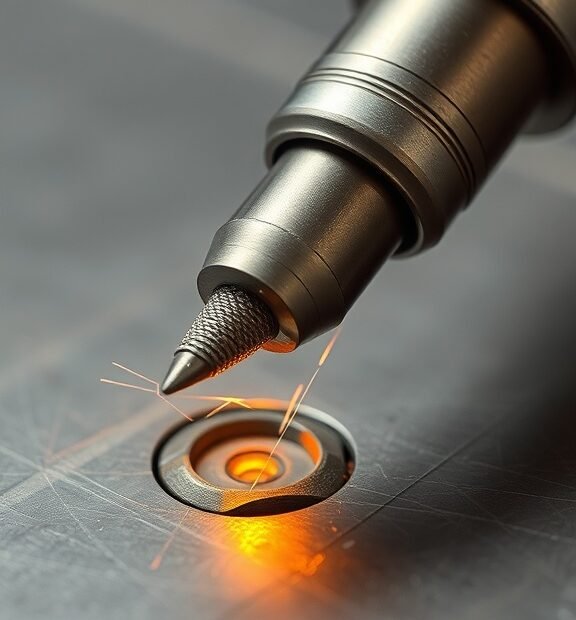
Techniques for How to Re-tin a Soldering Iron Tip Effectively
Are you struggling with a soldering iron tip that seems to be losing its quality? Re-tinning is an essential maintenance step to ensure your soldering iron tip can perform effectively and deliver optimal results. In this guide, you will learn valuable techniques on how to re-tin a soldering iron tip effectively, helping you improve your soldering experience and keep your tips in top shape for longer.
Before diving into the techniques, it’s important to understand the significance of a well-tinned tip. When the tip is properly tinned, it will transfer heat better, prevent oxidation, and ensure a smooth flow of solder. Let’s explore some effective methods for re-tinning your soldering iron tip.
Gather Your Tools
To re-tin your soldering iron tip successfully, you’ll need a few basic tools:
Soldering Iron Kits & Accessories
- Soldering iron
- Lead-free solder or rosin-core solder
- Soldering iron tip cleaner or sponge
- Fine sandpaper or a brass cleaning pad (optional)
- Safety glasses (for eye protection)
Preparation Is Key
Start by ensuring that your soldering iron is clean and free from any old solder or grime. A dirty tip makes it harder for the new solder to adhere. Here’s how to prepare it:
- Heat the soldering iron until it reaches its operating temperature, typically between 350°C and 400°C (662°F and 752°F).
- Use a damp sponge or a soldering iron tip cleaner to wipe away any old solder and oxidation on the tip.
- For stubborn oxidation, gently rub the tip with fine sandpaper or a brass cleaning pad until it’s shiny.
Applying New Solder
Once your soldering iron tip is clean, it’s time to apply new solder. Here’s a step-by-step approach:
Soldering Iron Kits & Accessories
- With the soldering iron still heated, hold the solder against the tip. Aim for the area where the solder will melt easily without forming excessive droplets.
- Allow the solder to melt and spread across the tip evenly. Move the solder back and forth, ensuring a thin coat covers the entire surface of the tip.
- After the solder has melted and formed a nice layer, remove the solder and let the tip cool slightly.
Final Cleaning and Maintenance
Once you have successfully re-tinned the soldering iron tip, a final cleaning is essential to maintain its performance:
- Use the damp sponge to gently clean off excess solder. This helps to create a slightly textured surface that retains solder better.
- Store your soldering iron with a small amount of solder on the tip to prevent oxidation while it’s not in use.
- Regularly clean and re-tin your soldering iron tip to keep it in optimal condition and extend its lifespan.
Common Mistakes to Avoid
To ensure you’re re-tinning your soldering iron tip effectively, avoid these common mistakes:
Soldering Iron Kits & Accessories
- Using too much solder can lead to a blob that doesn’t heat properly or transfer well.
- Not cleaning the tip thoroughly can prevent the new solder from adhering.
- Letting the soldering iron cool too much before applying solder will also inhibit the bonding process.
Taking the time to re-tin your soldering iron tip will result in better performance and longer tool life. Following these straightforward techniques, you will notice how much easier and cleaner soldering becomes. Stay proactive about maintaining your soldering tools to enhance your workflow and achieve the best results on your projects.
Next time your soldering iron tip shows signs of wear, you will know exactly how to re-tin it effectively, ensuring your soldering tasks are always a success!
Common Mistakes to Avoid When Re-tinning Your Soldering Iron Tip
Re-tinning your soldering iron tip is an essential skill for any DIY enthusiast or professional. Proper maintenance can prolong the life of your soldering iron and enhance its performance. However, there are several common mistakes individuals make during this process that can lead to poor results or even damage your equipment. Understanding these pitfalls can help you maintain a well-functioning soldering iron. Here are some mistakes to watch out for.
Soldering Iron Kits & Accessories
Skipping Cleaning
One of the primary mistakes is neglecting to clean the soldering iron tip before re-tinning. A dirty tip can prevent solder from adhering properly, leading to uneven heating and poor joint quality. Always start with a clean tip. Use a damp sponge or a brass sponge to wipe the tip effectively. This simple step can make a significant difference in your results.
Using the Wrong Type of Solder
Not all solder is created equal, and using the wrong type can lead to disappointment. Make sure to choose solder that contains flux, as this will help to remove oxidation on the tip. Typically, rosin-core solder is the preferred choice for electronics, as it provides better adhesion. Avoid lead-free solder for re-tinning if you’re not experienced, as it can have a higher melting point and may require a hotter iron.
Soldering Iron Kits & Accessories
Overheating the Tip
Overheating your soldering iron tip is another common mistake that can damage it irreparably. When you heat the tip beyond its optimal temperature, you risk burning off the protective layer of solder. This can lead to a decrease in performance and ultimately, tip degradation. Always keep your temperature settings in moderation and avoid prolonged heating without solder.
Applying Too Much Solder
While it might seem like more solder equals a better connection, applying too much solder can create unwanted issues. Excess solder can cause a build-up that can interfere with the iron’s ability to transfer heat effectively. Instead, aim for a thin, even layer over the tip. A little solder goes a long way!
Soldering Iron Kits & Accessories
Forgetting to Tin After Use
After re-tinning, some people forget to re-tin their soldering iron tip after each use. This is a crucial step that ensures your tool stays in optimal condition. Applying a thin layer of solder before storing the iron can act as a protective barrier, preventing oxidation and prolonging the life of your tip.
Neglecting Proper Storage
The way you store your soldering iron can greatly affect the condition of the tip. If you leave it in an upright position without any protection, dust and other contaminants can settle on the tip. For storage, consider using a holder that keeps the iron tilted downwards and protected. You can also add a small amount of solder to the tip to shield it from oxidation while it’s not in use.
Soldering Iron Kits & Accessories
Ignoring Temperature Adjustment When Changing Tasks
If you perform different tasks using your soldering iron, it’s important to adjust the temperature according to your needs. Ignoring this can result in poor solder joints or burnt components. Always adjust the temperature based on the type of solder and work at hand, ensuring you have optimal performance for each project.
Using Inadequate Tools
Sometimes, you may use inadequate tools to perform the re-tinning process. Ensure that you are using high-quality solder and a proper cleaning instrument. Low-quality tools can lead to poor results. For example, a rough cleaning sponge can scratch the tip, while incorrect solder can result in messy joints.
Soldering Iron Kits & Accessories
Not Following Safety Precautions
Soldering can be dangerous if you don’t follow safety measures. Always wear protective eyewear and ensure your workspace is well-ventilated, especially when working with flux and solder fumes. Neglecting these precautions can lead to eye injuries or respiratory issues.
By avoiding these common mistakes, you can ensure that your soldering iron tip remains in excellent condition, delivering optimal performance for all your projects. Remember, proper maintenance goes a long way in enhancing the lifespan of your soldering tools.
Conclusion
Re-tinning your soldering iron tip is not only a simple maintenance task but also crucial for ensuring optimal performance during soldering projects. By employing effective techniques like cleaning the tip thoroughly, using the right type of solder, and applying flux appropriately, you can achieve a well-tinned tip that enhances your soldering experience.
Soldering Iron Kits & Accessories
However, it’s equally important to be aware of common mistakes that can thwart your efforts. Avoid overheating the tip, as it can lead to tip damage and make re-tinning ineffective. Steer clear of using the wrong solder, which can result in poor adhesion and a compromised joint. Additionally, neglecting to clean the tip before re-tinning will prevent the solder from adhering correctly, leading to future issues.
Remember, the key to maintaining your soldering iron tip lies in regular practice and awareness of these pitfalls. By focusing on proper techniques and staying clear of common blunders, you not only extend the lifespan of your soldering tip but also improve the quality and efficiency of your soldering work. With a well-maintained and tinned iron tip, you can tackle projects with confidence and achieve exceptional results. Take the time to practice these tips, and you will notice the difference in your soldering results and overall satisfaction with your work. Happy soldering!