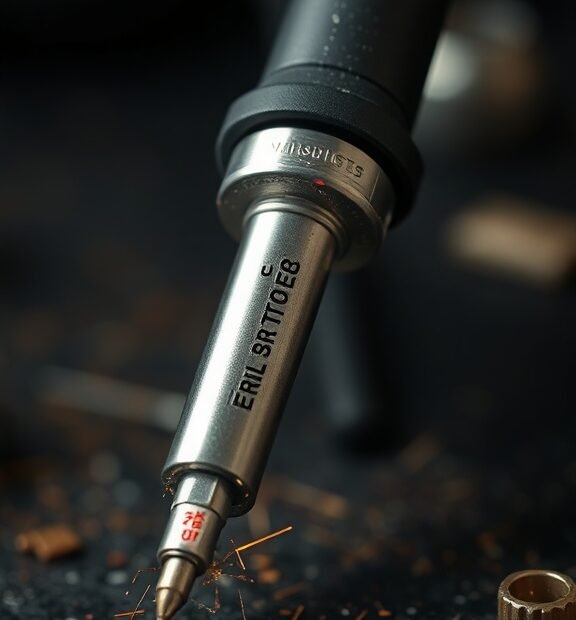
Techniques for Properly Tinning a Soldering Iron
Tinning a soldering iron is a crucial step that ensures your tools work efficiently and can provide strong, reliable connections. Properly tinning your soldering iron not only extends the life of the tool but also enhances the quality of your solder joints. In this guide, you will learn effective techniques on how to achieve a well-tinned soldering iron.
Why Tinning is Important
Tinning helps prevent oxidation on the soldering iron tip, promoting better heat transfer. If the tip is not tinned, solder will not adhere well, making the task more difficult. Regular tinning also aids in maintaining the ideal temperature, ensuring your projects proceed smoothly.
Gather Your Materials
Before you begin the tinning process, you will need a few essential tools and materials:
- Soldering iron
- Solder (preferably rosin core)
- Soldering iron stand
- Wet sponge or brass sponge cleaning pad
- Protective eyewear (optional but recommended)
Preparing the Soldering Iron
First, plug in your soldering iron and let it heat up to its optimal temperature, usually around 350°C (662°F). Once it reaches the right temperature, you can proceed with the following steps:
Clean the Tip
Using your wet sponge or brass sponge cleaning pad, gently wipe the tip of the heated soldering iron. This step is crucial as it removes any oxidation or residue that has built up on the tip. Make sure to be gentle to avoid damaging the tip’s coating.
Apply the Solder
With a clean tip, it’s time to apply the solder. Feed a small amount of solder onto the tip once it is clean and heated. The solder should melt quickly and flow over the entire surface of the tip. Aim for a thin, even coating to ensure that the tip is adequately protected.
Techniques for Effective Tinning
To ensure the best results while tinning your soldering iron, consider the following techniques:
Use the Right Solder
Your choice of solder can significantly impact the tinning process. A rosin-core solder is recommended because it contains a flux that helps clean the surface and enhances solder flow.
Don’t Overdo It
Applying too much solder can create a build-up that may negatively affect the performance of your soldering iron. Apply enough to coat the tip without forming big blobs or drips.
Heat and Solder in Sequence
When applying solder, always ensure that your iron is at the proper temperature. Apply the solder immediately after cleaning the tip to prevent oxidation from forming again. This ensures a clean and effective tinning process.
Maintaining Your Tinned Tip
To keep your soldering iron in optimal condition, proper maintenance is essential:
- Always clean the tip after each use, wiping it on a damp sponge or brass pad.
- Re-tin the tip regularly, especially before putting the soldering iron away for extended periods.
- Avoid leaving the soldering iron on for long periods without use, as this can cause the tip to oxidize quickly.
- Store the soldering iron in a vertical position to prevent damage to the tip.
Final Thoughts
By following these techniques for properly tinning a soldering iron, you will not only enhance its lifespan but also improve the quality of your soldering projects. A well-tinned soldering iron provides better heat transfer, ensuring that your solder joints are reliable and professional. With a little practice and consistent care, your soldering iron will serve you well for years to come.
Common Mistakes to Avoid When Tinning a Soldering Iron
Tinning a soldering iron is an essential skill for anyone working on electronics. However, many people make common mistakes during this process that can affect their work and lead to problems down the line. By understanding what these mistakes are, you can ensure better results and extend the life of your soldering iron.
One frequent error is using too much solder. When you apply an excessive amount of solder to your soldering iron’s tip, it can pool up and create a mess. This can cause the solder to transfer poorly to the components you’re working on. Instead, aim for a thin, even layer of solder that coats the tip, providing just enough conductivity without unnecessary buildup. Using an appropriate amount allows for better heat transfer and control.
Another issue is neglecting to clean the soldering iron before tinning it. Dust, oxidation, and old solder can accumulate on the tip over time. If you try to apply new solder without cleaning the tip, it won’t adhere properly, leading to weak connections. Always use a damp sponge or brass sponge to clean the tip before starting the tinning process. This removes oxidation and ensures a clean surface for the solder to bond.
Using the wrong type of solder is another mistake to be aware of. Not all solder is created equal; some types are designed for specific applications. For example, rosin-core solder is great for electronics, while lead-free solder is often preferred for eco-friendly projects. Make sure to choose the right type for your needs. Familiarize yourself with the specifications and select solder that complements your projects.
Additionally, failing to heat the tip adequately before applying solder is a significant mistake many beginners make. If the soldering iron tip isn’t hot enough, the solder won’t melt properly. This can lead to incomplete connections and frustrated work. Allow the soldering iron to reach the proper temperature before attempting to tin it. You’ll know it’s hot enough when the solder melts quickly and flows onto the tip.
Another common error is holding the soldering iron incorrectly while tinning. You should hold the iron like a pen, with a comfortable grip that allows for control and precision. Avoid gripping it too tightly, as this can lead to fatigue and accidents. Position the iron so that you can easily access the tip while keeping your hands steady. Practicing good posture and grip techniques will improve your overall soldering skills.
Failing to let the solder cool properly is yet another mistake to avoid. After tinning the iron, it’s tempting to jump right into your project. However, if you start working before the solder has cooled, you risk compromising the joints you’re handling. Give the solder a moment to solidify, ensuring that it adheres properly and maintains its shape.
Don’t forget about safety. Always wear protective eyewear when tinning your soldering iron. Soldering can produce sparks and fumes, which may pose a risk if proper precautions aren’t taken. Make sure you’re working in a well-ventilated area to minimize exposure to any harmful substances.
- Use the right amount of solder for a clean finish.
- Clean the soldering iron tip before tinning.
- Select the appropriate type of solder for your project.
- Heat the soldering iron efficiently to ensure proper tinning.
- Hold the soldering iron comfortably and with control.
- Let the solder cool completely before starting your work.
- Prioritize safety to avoid accidents.
By steering clear of these common mistakes when tinning your soldering iron, you set yourself up for success in your electronics projects. Aim for a well-tinned tip that will help you create solid, lasting connections. Remember that practice makes perfect, so take the time to hone your skills, and soon you will achieve seamless results. Happy soldering!
Conclusion
Properly tinning a soldering iron is a crucial step in ensuring high-quality soldering work. By using the right techniques, such as cleaning the tip before applying solder and using an appropriate type of flux, you can create a reliable connection every time. Remember that the appearance of the tinning matters—aim for a shiny, smooth surface to enhance the efficiency of your soldering iron.
Avoiding common mistakes is equally important. One of the most prevalent errors is using too much heat, which can damage the tip. Additionally, neglecting to clean the iron between uses can lead to poor soldering results. Always remember to use just enough solder, as excess can create clumps and interfere with your work.
With these insights, you’re equipped to take your soldering skills to the next level. Whether you are a beginner or a seasoned hobbyist, practicing proper tinning will improve your results and make your soldering tasks easier and more enjoyable. So, dedicate a few moments to tin your soldering iron correctly, and you will notice a marked difference in your soldering experience. Happy soldering!