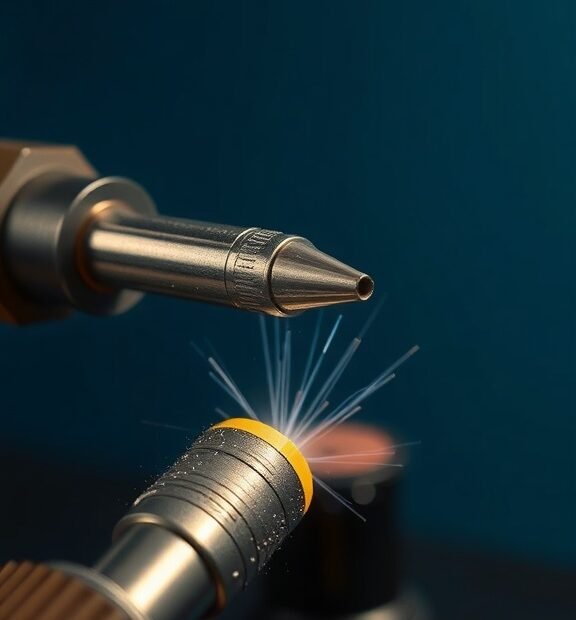
Proper Techniques for Cleaning Soldering Iron Tips
Having a clean soldering iron tip is crucial for achieving quality connections and prolonging the life of your tool. A dirty tip can cause a range of problems, including poor solder flow and unsightly joints. If you’re wondering how to properly clean soldering iron tips, you’re in the right place. Here are some proven techniques to keep your soldering iron in top shape.
Why It’s Important to Clean Your Soldering Iron Tip
Cleaning your soldering iron tip might seem like a small task, but it has significant benefits:
- Better soldering performance: A clean tip heats more evenly, making it easier to solder effectively.
- Extended lifespan: Regular cleaning helps prevent corrosion and damage to your soldering iron tip.
- Improved accuracy: Cleaner tips allow for precise application of solder, which is crucial for small electronic components.
Tools and Materials You Will Need
Before you begin cleaning, make sure you have the necessary tools on hand:
- Sponge or brass sponge
- Cleaning solution (optional, but recommended for heavy buildup)
- Soldering iron holder
- Safety glasses
- Wire brush (for stubborn residue)
Different Techniques for Cleaning Your Iron Tip
There are several effective techniques you can use to clean your soldering iron tip. Choose one or a combination depending on the level of dirtiness of the tip.
1. Wet Sponge Method
The wet sponge method is one of the simplest ways to keep your soldering iron tip clean. Here’s how to do it:
- Turn on your soldering iron and allow it to heat up fully.
- Wet a sponge lightly and ensure that it’s not dripping wet.
- Gently wipe the tip on the damp sponge to remove any oxidization or solder residue.
- Repeat as needed while soldering to maintain cleanliness.
2. Brass Sponge Method
If you prefer a more resilient cleaning option, a brass sponge could be your best bet. Follow these steps:
- Heat your soldering iron as you normally would.
- Press the hot tip against the brass sponge to scrub off any debris.
- Remove any remaining particles by gently brushing the tip with the sponge.
3. Using a Cleaning Solution
For tougher residues, a cleaning solution might be necessary:
- Apply a small amount of cleaning solution to either your sponge or a clean cloth.
- Wipe the tip thoroughly until you see improvements.
- Be sure to rinse the tip with water afterward to remove any chemical residue.
4. Wire Brush Method
This method is ideal for heavily oxidized tips; however, use it cautiously. Here’s how:
- Allow your soldering iron to reach a good working temperature.
- Carefully use a wire brush to scrub the tip.
- After cleaning, always finish off with one of the softer cleaning methods, like the wet sponge, to polish the tip.
Maintaining Cleanliness
Now that you know how to clean your soldering iron tip, it’s essential to keep it that way:
- Always clean the tip before and after each use.
- Keep your soldering workspace organized to prevent accidental dirt exposure.
- Consider tinning the tip by adding a small amount of solder before storing it. This helps create a protective layer against oxidation.
By following these techniques for cleaning your soldering iron tip, you can ensure that your equipment remains in great condition, allowing you to solder effectively and accurately each time. Keep it clean, and your projects will shine just as brightly as your craftsmanship!
Common Mistakes to Avoid When Maintaining Your Soldering Iron
Maintaining your soldering iron is essential for achieving high-quality results in your projects. However, many people make common mistakes that can lead to damaged tools or poor solder joints. By being aware of these errors, you can keep your soldering iron in top condition and ensure smooth operations. Here are some key pitfalls to avoid.
Neglecting Tip Cleaning
One of the most significant mistakes is not cleaning the soldering iron tip regularly. A dirty tip can lead to poor heat transfer and affect solder quality. It’s recommended to clean the tip after every use.
- Use a wet sponge or brass cleaning wool to wipe off any oxidation or solder residue.
- Ensure that the iron is hot when cleaning, as this helps remove debris more effectively.
Overheating the Tip
Excessive heat can damage the soldering iron tip, leading to premature wear. Always set the temperature just high enough to melt the solder but avoid keeping it at maximum heat for extended periods.
- If you find it difficult to solder, check your technique and not just the temperature.
- Consider adjusting the temperature for different soldering tasks.
Not Tinning the Tip
Tinning is the process of coating the soldering tip with a small amount of solder. This prevents oxidation and helps in heat transfer. Not tinning your tip can lead to a short lifespan for the tool.
- Always tin the tip after cleaning, and even before you put the soldering iron away.
- Use a lead-free solder if you are concerned about toxicity, as it still provides good results.
Using the Wrong Temperature Setting
Using an inappropriate temperature can cause issues. Too low, and the solder won’t melt properly; too high, and you risk burning components or damaging the tip.
- Different solder types and thicknesses require different temperatures.
- Refer to the specifications provided with your solder for an optimal temperature range.
Ignoring the Environment
Your working environment plays a crucial role in soldering quality. Factors like dust, moisture, and temperature can impact the soldering process.
- Work in a clean, dry area to minimize the risk of contamination.
- Avoid soldering near fans, windows, or any airflow that can cause solder to cool too quickly.
Forgetting to Store Properly
How you store your soldering iron is also important. Leaving it on a non-heat resistant surface will not only damage the surface but may harm the iron itself.
- Always place your soldering iron in a stand that provides stability and heat protection.
- If you won’t be using it for an extended period, consider disconnecting it to prolong its life.
Not Using the Right Accessories
Many forget that using the right accessories can significantly impact soldering quality. Using low-grade solder or inferior tip cleaner can lead to complications.
- Invest in high-quality solder that fits the temperature range and application you need.
- Consider additional accessories like soldering flux, which can improve soldering efficiency.
Ignoring Safety Protocols
Safety should never be overlooked. Failing to wear appropriate protective gear or disregarding safety protocols can lead to injuries.
- Always wear safety glasses and use a smoke absorber if you’re soldering with materials that generate fumes.
- Ensure your workspace is organized to prevent accidents.
By keeping these common mistakes in mind, you can maintain your soldering iron effectively and enjoy a much more streamlined soldering process. Paying attention to how you care for your soldering iron will ultimately lead to better results in your projects and increase the longevity of your tool.
Conclusion
Maintaining a clean soldering iron tip is crucial for achieving the best results in your soldering projects. By employing proper cleaning techniques, such as using a damp sponge or brass sponge, you can ensure that your soldering iron remains in optimal condition. Addressing the tip frequently during your work not only aids in producing strong solder joints but also prolongs the lifespan of your iron.
However, it’s equally important to be mindful of common mistakes that can hinder performance. Overheating the tip can lead to oxidization, while neglecting to clean the tip between uses can cause build-up and make soldering challenging. Avoid using abrasive materials, as they can damage the tip and affect its functionality.
By staying aware of these practices, you set yourself up for success with each soldering task. A well-maintained soldering tip leads to cleaner work and a more enjoyable experience, saving you time and effort in the long run. Keeping these tips at the forefront of your soldering routine can make a significant difference, enhancing both the quality of your projects and your overall skills. So give your soldering iron the care it deserves, and enjoy better results every time you pick it up.