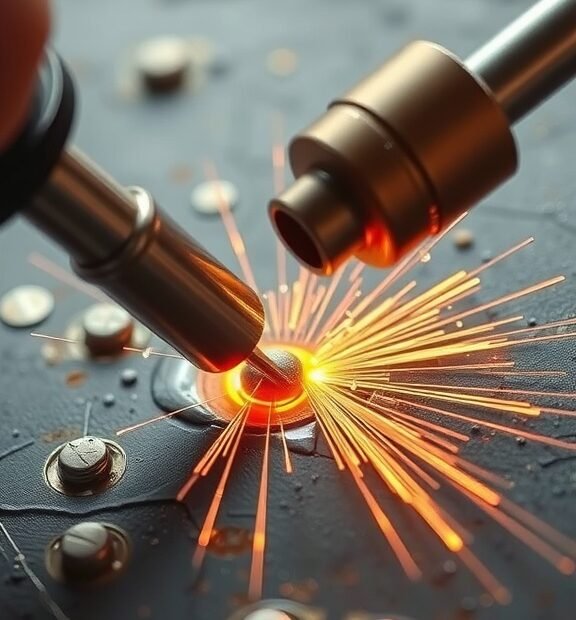
Practical Methods on How to Melt Solder Without a Soldering Iron
Melting solder without a soldering iron might sound challenging, but it’s definitely possible with a few practical methods. Whether you’re working on electronics, jewelry, or various DIY tasks, knowing how to melt solder using alternatives can be quite handy. Here are some effective techniques you can use.
Using a Heat Gun
A heat gun is a versatile tool that can be incredibly useful for melting solder. It works by blowing hot air, which can easily reach the melting point of solder.
- Start by setting your heat gun to a temperature between 350°F and 600°F (about 180°C to 315°C).
- Hold the heat gun a few inches away from the solder joint and move it in circular motions to distribute heat evenly.
- Watch closely as the solder begins to melt, then quickly remove the heat gun and work on your project.
Make sure to use the heat gun in a well-ventilated area to avoid inhaling fumes, and do not point it at any flammable materials.
Using a Butane Torch
A butane torch is another effective tool for melting solder, especially for outdoor projects or soldering larger components. Here’s how to use it safely:
- Fill the torch with butane and ensure it’s properly primed.
- Light the torch and adjust the flame to a moderate level.
- Carefully direct the flame toward the solder joint, ensuring you have a steady hand.
- Keep moving the flame back and forth to avoid overheating any one area, which could damage surrounding components.
Always wear safety goggles while using a butane torch to protect your eyes from the bright flame.
Using a Soldering Chisel
If you have a soldering chisel or a similar metal tool, it can help you melt solder effectively. Here’s how to do this:
- Heat the chisel using a flame source like a candle or a gas stove.
- Once it’s hot, press the chisel directly onto the solder joint.
- The heat from the chisel will transfer to the solder, causing it to melt.
- Move the chisel around to melt different sections as needed.
This method requires caution as the heated chisel can cause burns. Use a pair of pliers or a heat-resistant glove to hold the chisel.
Using a Hair Dryer
Believe it or not, a hair dryer can also be used to melt solder. Although it might take longer than other methods, it can work for small projects.
- Set the hair dryer on the highest heat setting.
- Keep it a couple of inches away from the solder joint, moving it back and forth to distribute heat.
- Be patient and wait for the solder to melt.
This method is ideal for situations where you don’t need to melt a lot of solder at once. You can also combine it with other techniques to speed up the process.
Using Flux
Regardless of the method you choose, using flux is important when melting solder. Flux helps to clean the metal surfaces and makes it easier for the solder to flow. Here are a few tips:
- Apply a small amount of flux on the solder joint before melting.
- This will prevent oxidation and help the solder to bond well after melting.
- Choose a flux that’s compatible with the type of solder you’re using to ensure the best results.
Melting solder without a soldering iron is achievable with the right tools and techniques. Whether you opt for a heat gun, butane torch, or other alternatives, make sure to follow safety precautions to avoid injuries. With these methods, you’ll be well-equipped to tackle any soldering project efficiently and effectively.
Safety Tips and Best Practices for Soldering Alternatives
Soldering alternatives have become increasingly popular, especially among DIY enthusiasts and professionals who seek safer methods to join electronic components. While soldering is a common technique using heat to melt metal for effective joining, there are associated risks and challenges that warrant safety precautions and best practices. Below, we explore various ways to ensure safety and efficiency when using soldering alternatives.
When attempting any form of metal joining, safety should always come first. Here’s a list of essential safety tips to keep in mind:
- Wear the Right Personal Protective Equipment (PPE): Ensure you have safety goggles to protect your eyes from potential splashes or debris. A pair of heat-resistant gloves is also a must to safeguard your hands.
- Work in a Well-Ventilated Area: Proper ventilation is crucial when using any adhesive or chemical product. Ensure that fumes do not build up in the workspace.
- Keep a Fire Extinguisher Nearby: If you are dealing with flammable materials, keep a fire extinguisher readily accessible just in case.
- Use Heat-Resistant Surfaces: When selecting a work surface, choose materials that can withstand high temperatures to prevent burns or damage.
- Handle Tools Carefully: Whether you are using a heat gun, hot glue gun, or any alternative soldering tool, make sure to handle them with care to avoid misfires or injuries.
With safety in mind, it’s also essential to consider the best practices when using soldering alternatives. Effective use not only ensures a better connection but also minimizes potential hazards. Here are some best practices:
- Understand Your Materials: Prior to using any soldering alternative, take the time to learn about the materials you will be working with. Different metals and adhesives have different melting points and bonding properties.
- Choose the Right Alternative Method: There are several alternatives to soldering, each with unique applications. Options include:
- Conductive adhesives
- Mechanical fasteners
- Ultrasonic welding
- Thermal compression
- Follow Manufacturer Guidelines: Always refer to the manufacturer’s instructions for any adhesives or alternative products. Following usage instructions ensures optimum performance and safety.
- Pre-Treat Surfaces: Whenever possible, clean and prep the surfaces you plan to join for better adhesion. Dirt and grease can hinder the effectiveness of most bonding methods.
An exceptionally effective soldering alternative is conductive adhesives. These materials bond components securely while providing electrical connections. Using them involves specific steps:
- Apply adhesive evenly on one surface.
- Join the two surfaces carefully and apply pressure.
- Allow the adhesive to cure as per the instructions.
Another method is to utilize mechanical fasteners such as screws or clips. While this technique is often used in electronics, it also works effectively in other applications where joining components securely is necessary. These fasteners provide the added advantage of allowing for disassembly if repairs are needed later.
Using a hot glue gun is another popular option, especially in craft projects and light electronic work. While not ideal for high-heat applications, it can work wonders for joining lightweight components. Be mindful of the heat generated, and avoid contact with skin to prevent burns. Always allow the glue to cool and harden sufficiently before handling.
Ultrasonic welding is a cutting-edge technique that employs high-frequency vibrations to join materials without heat. This method ensures that the materials won’t be damaged and provides a solid, conductive bond. However, it may require specialized equipment and training.
Whether you’re delving into the world of soldering alternatives for personal use or professional tasks, prioritizing safety through keen awareness and adherence to best practices will enhance your success and enjoyment. Always be cautious, informed, and prepared to expand your skill set beyond traditional soldering techniques.
Conclusion
Exploring how to melt solder without a soldering iron opens up a world of practical solutions for hobbyists and DIY enthusiasts alike. Whether you’re using a heat gun, a soldering torch, or even a stovetop, these methods can be effective for melting solder when you find yourself without traditional tools. Each technique provides unique advantages depending on your project, allowing you to choose the best approach for your specific needs.
Safety should always be at the forefront of any soldering project. Utilizing eye protection and working in a well-ventilated area ensures a safer environment, especially when dealing with high heat or potential fumes. Remember to keep flammable materials away from your workspace to prevent any accidents. It’s essential to familiarize yourself with the equipment you choose, as understanding how each tool operates can help you apply the right amount of heat without damaging your components.
Always double-check your connections and monitor the solder melt closely. Proper technique not only ensures you achieve clean joints but also enhances the longevity of your electrical work. By incorporating these practical methods and safety tips, you empower yourself to tackle soldering tasks confidently, even without a soldering iron.
Embracing alternative soldering methods can enhance your toolkit and allow more flexibility in your projects. With the right safety precautions and techniques, you can successfully melt solder and create reliable connections in your electronics endeavors. Whether you’re a seasoned pro or just starting, these insights will help you navigate your soldering challenges effectively.