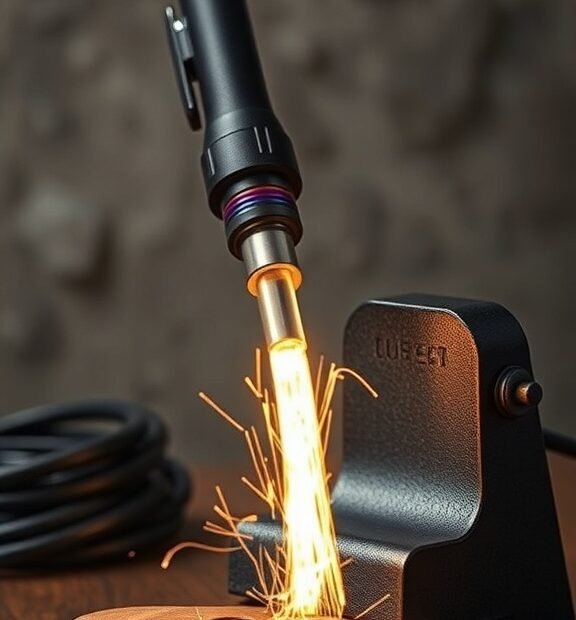
Step-by-step guide on how to make a portable soldering iron
Creating a portable soldering iron is a fantastic DIY project that can help you make quick repairs or work on electronics anywhere. With a few simple materials and tools, you’ll have a handy soldering tool to take along. Follow this step-by-step guide for making your own portable soldering iron.
Gather Your Materials
Before starting the project, make sure you have all the necessary materials:
- Battery (18650 lithium-ion battery or AA batteries)
- Soldering iron tip
- Power switch (mini toggle switch or push-button switch)
- Insulated wire (22 AWG is a good choice)
- Small project box or enclosure
- Soldering iron stand (optional)
- Heat shrink tubing
- Electrical tape
Step 1: Prepare the Battery
Start with the battery. If you’re using an 18650 lithium-ion battery, ensure it is charged fully. For AA batteries, ensure they are fresh. If you choose lithium-ion batteries, consider adding a protection circuit to prevent overcharging.
Soldering Stations | Easy 60 Day Return
Step 2: Modify the Soldering Iron Tip
You can often use a standard soldering iron tip. If needed, clean it thoroughly using sandpaper. This ensures better heat conduction. An alternative is to bend a piece of copper or steel wire to create a custom tip that fits your needs. Make sure it’s properly secured for safety.
Step 3: Connect the Wiring
Next, cut two lengths of insulated wire, each about 12 inches long. Strip both ends of each wire. Connect one end of the first wire to the positive terminal of the battery. Solder the other end to the power switch. Then, take the second wire and connect one end to the other terminal of the power switch and the other end to the soldering iron tip.
Soldering Stations | Easy 60 Day Return
Step 4: Insulate Connections
After making the electrical connections, use heat shrink tubing or electrical tape to insulate all exposed wires and solder points. This is crucial for safety to prevent short circuits.
Step 5: Secure Everything in an Enclosure
Place all the components into the project box or enclosure. Position the battery, switch, and soldering iron tip securely inside. If space allows, you may also include a small soldering iron stand for convenience. Ensure that the switch is easily accessible from outside the enclosure.
Soldering Stations | Easy 60 Day Return
Step 6: Test Your Portable Soldering Iron
Before you use your homemade soldering iron on actual projects, test it with a small piece of metal to ensure it heats up correctly. Flip the switch on and check for any overheating issues. If everything looks good, your soldering iron is ready to help you tackle your soldering tasks!
Safety Tips
While working with a soldering iron can be fun, remember to follow these safety tips:
Soldering Stations | Easy 60 Day Return
- Always work in a well-ventilated area.
- Never leave the soldering iron on unattended.
- Keep flammable materials away from the area.
- Wear safety goggles to protect your eyes.
Making It More Efficient
To improve your portable soldering iron’s efficiency, consider using better quality components. For instance, investing in a high-quality soldering iron tip will ensure effective heat transfer.
If you frequently use your soldering iron, consider using a thermal switch or thermostat to help regulate the temperature, preventing overheating.
Soldering Stations | Easy 60 Day Return
Now you have a portable soldering iron that you created yourself! Whether you’re fixing electronics on the go or working on DIY projects, this tool will come in handy. Just remember to handle it with care, and you’ll enjoy soldering wherever you need it.
Essential tips for using a portable soldering iron effectively
Using a portable soldering iron can make your electronic projects easier and more efficient. Here are some essential tips to help you use it effectively.
Choose the Right Soldering Iron
The first step to effective soldering is choosing a high-quality portable soldering iron. Look for one that heats up quickly and has adjustable temperature settings. Consider the iron’s wattage; a range between 20 to 60 watts is ideal for most small projects. Besides that, a lightweight and ergonomic design will make your soldering sessions more comfortable.
Soldering Stations | Easy 60 Day Return
Prepare Your Workspace
Before starting your soldering tasks, prepare a clean and organized workspace. Make sure to have:
- A flat surface to work on
- Good lighting
- A soldering mat or a heat-resistant surface
- All necessary tools close at hand
A well-organized space helps you locate your tools quickly and minimizes distractions, allowing you to focus on your work.
Soldering Stations | Easy 60 Day Return
Use the Right Solder
Selecting the appropriate solder is crucial for successful connections. For electronics, a rosin-core solder, typically made from a combination of tin and lead or lead-free material, is recommended. The rosin core helps to keep the solder clean and ensures better adhesion to your components. Always avoid using solder that is too thick, as it may not melt quickly or blend well with your electronic parts.
Clean Your Tools Regularly
To maintain optimal performance, it’s essential to clean the tip of your portable soldering iron frequently. Use a damp sponge or brass sponge to wipe the tip, removing old solder and oxidation. A clean tip heats better and transfers heat efficiently, ensuring strong solder joints. Regular maintenance will extend the life of your soldering iron, giving you the best results.
Soldering Stations | Easy 60 Day Return
Temperature Control
Controlling the temperature is vital when using a portable soldering iron. If the temperature is too low, solder will not flow properly. If it is too high, you risk damaging sensitive electronic components. A temperature range of 350°C (662°F) works well for most general soldering tasks. If you’re unsure, start at a lower setting and gradually increase until you achieve the desired results.
Practice Good Soldering Techniques
Apply these techniques for better soldering quality:
Soldering Stations | Easy 60 Day Return
- Heat the Joint: Touch the soldering iron tip to both the wire and the pad of the circuit board for a few seconds before applying solder. This ensures the solder flows evenly.
- Apply Solder: Introduce solder to the joint once both parts are heated. Allow the solder to flow around the connections rather than clumping.
- Let It Cool: Remove the soldering iron and let the joint cool naturally. Avoid moving the joint while it’s cooling to prevent a weak connection.
Stay Safe
Always prioritize safety when soldering. Use protective eyewear to shield your eyes from possible solder splashes. Work in a well-ventilated area or use a fan to disperse fumes generated during soldering. Keep your soldering iron in a stand when not in use to prevent burns or accidents.
Store Properly
When you finish your project, store your portable soldering iron in a safe place. Avoid leaving it plugged in, and ensure it’s completely cooled down before packing it away. If your iron comes with a cover or case, use it to protect the tip from damage.
Soldering Stations | Easy 60 Day Return
Using a portable soldering iron effectively involves a combination of selecting the right tools, maintaining your equipment, and practicing good soldering techniques. With these tips, you can enhance your skills and enjoy more successful soldering experiences for all your projects.
Conclusion
Creating your own portable soldering iron is a rewarding project that opens up a world of opportunities for electronics enthusiasts and DIY hobbyists. By following the step-by-step guide outlined above, you can craft a soldering iron that is not only easy to transport but also tailored to your needs. Remember that safety should always be your top priority; use protective gear and work in a well-ventilated area to avoid inhaling harmful fumes.
Once you have your portable soldering iron ready, knowing how to use it effectively is essential. Warm up your tool properly before starting to ensure optimum performance. Always use the right solder for your specific tasks, and consider working on a surface that can withstand heat. With a bit of practice, you’ll become more proficient and comfortable, making your soldering projects more enjoyable.
Soldering Stations | Easy 60 Day Return
If you encounter any soldering challenges, remember to take a moment to assess the situation calmly. Patience is key when it comes to achieving a clean and sturdy solder joint. Additionally, don’t hesitate to reach out to forums and communities where other DIY enthusiasts share tips and experiences.
Crafting your own portable soldering iron can enhance your skills, save you money, and provide you with a handy tool for various tasks. With the right techniques and a bit of practice, you can tackle electronics projects with confidence, whether you’re at home or on the go. Now, it’s time to gather your materials, dive into the process, and enjoy the satisfaction that comes from mastering this valuable skill!