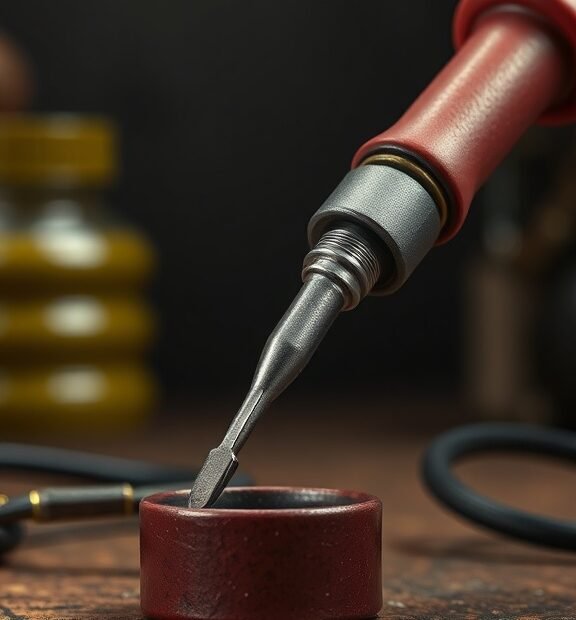
Constructing a Soldering Iron with a Screwdriver: Step-by-Step Guide
If you ever find yourself needing a soldering iron but don’t have one handy, you can create a makeshift soldering iron using a screwdriver. This simple project can help you complete electronic repairs or hobby projects with ease. Follow this step-by-step guide to make your own soldering iron from a screwdriver.
Before you begin, gather the necessary materials. Here’s what you will need:
- A flat-head screwdriver
- A power source (like a battery or a power adapter)
- Electrical tape
- Wire (copper works best)
- A small piece of metal (optional, for better heat conduction)
Now that you have your materials ready, let’s go through the steps to construct your soldering iron.
Soldering Stations | Easy 60 Day Return
Step 1: Prepare the Screwdriver
Start with a flat-head screwdriver. Choose one that is sturdy and has a broad blade. Clean it thoroughly to remove any grease or dirt. This will ensure that the electrical connections are effective.
Soldering Stations | Easy 60 Day Return
Step 2: Strip the Wire
Take your copper wire and strip the ends to expose the copper. You will need two lengths of wire: one long enough to connect to the power source and another to attach to the screwdriver’s blade.
Soldering Stations | Easy 60 Day Return
Step 3: Attach Wire to the Screwdriver
Carefully wrap one end of the second wire around the flat blade of the screwdriver. Make sure it is tight and makes good contact with the metal. This connection is vital for heat conduction. For added security, you can use electrical tape to hold the wire in place.
Soldering Stations | Easy 60 Day Return
Step 4: Connect to Power Source
Next, connect the other end of the first wire to your power source. If you’re using a battery, you can attach the wire to the positive terminal. If you’re using a power adapter, ensure the voltage matches your design’s requirements. Always check the specifications for safety.
Soldering Stations | Easy 60 Day Return
Step 5: Ensure Proper Insulation
Once you’ve made the connections, use electrical tape to cover any exposed wire or metal. This step is crucial to prevent accidental shocks or short circuits. Wrap the tape snugly around the connection points to ensure everything is insulated properly.
Soldering Stations | Easy 60 Day Return
Step 6: Test the Soldering Iron
With everything connected and insulated, it’s time to test your new soldering iron. Place the screwdriver’s blade onto a non-flammable surface and connect the power to activate the tool. After a few moments, the blade should heat up. Make sure to be cautious when handling it, as it can get very hot.
Soldering Stations | Easy 60 Day Return
Step 7: Start Soldering!
Now you’re ready to use your homemade soldering iron. Practice with some scrap electronics to get a feel for how it works. Always handle the tool with care and keep safety as your top priority.
Soldering Stations | Easy 60 Day Return
Safety Tips:
- Always work in a well-ventilated area.
- Wear safety goggles to protect your eyes.
- Keep flammable materials away from your workspace.
- Never leave the soldering iron unattended while it’s powered on.
This DIY approach to creating a soldering iron with a screwdriver is an excellent example of resourcefulness. Whether you’re in a pinch or looking for a fun project, this guide helps you construct a useful tool from everyday items. Remember to prioritize safety throughout the process. Enjoy your soldering experience!
Essential Safety Tips for DIY Soldering Projects
Soldering is a valuable skill for any DIY enthusiast, but it’s essential to prioritize safety while working on your projects. Whether you are repairing electronics, creating custom circuit boards, or engaging in other soldering activities, following safety tips can prevent accidents and injuries. Here are some essential safety guidelines to consider before starting your soldering projects:
Soldering Stations | Easy 60 Day Return
Personal Protective Equipment (PPE)
Before diving into your soldering project, make sure to wear the appropriate protective gear. This includes:
- Safety glasses: Protect your eyes from solder splatters and debris by wearing safety glasses or goggles.
- Heat-resistant gloves: These can prevent burns when handling hot components.
- Apron or lab coat: A protective garment can shield your clothing and skin from any harmful splashes.
Ventilation
Proper ventilation is crucial while soldering. The fumes released during soldering can be harmful if inhaled repeatedly. Here are some tips to maintain good air quality:
Soldering Stations | Easy 60 Day Return
- Work in a well-ventilated area or use an exhaust fan to circulate the air.
- A solder fume extractor can effectively filter and remove harmful components in the air.
- Open windows or doors to allow fresh air to enter, which can also help reduce fume buildup.
Work Environment
Your workspace significantly affects your safety while soldering. Follow these tips to ensure a safe working environment:
- Keep your workspace clean and free of clutter. This prevents accidents and allows you to focus on your tasks.
- Use a sturdy, heat-resistant surface to work on. Avoid flammable materials to minimize fire risk.
- Have a fire extinguisher nearby, especially if you’re working on materials that may ignite.
Handling Soldering Equipment
Using your soldering iron correctly is vital for your safety and the quality of your work. Here are key practices for handling soldering tools:
Soldering Stations | Easy 60 Day Return
- Always hold the soldering iron by its insulated handle to avoid burns.
- Keep the soldering tip in its holder when not in use to prevent accidental burns or thermal damage to surfaces.
- Allow the soldering iron to cool down completely before storing it away.
Soldering Technique
Proper soldering technique not only enhances your project’s quality but also ensures your safety. Consider the following tips:
- Always tin the soldering iron’s tip before starting. This helps heat transfer and makes soldering easier.
- Do not touch the tip of the soldering iron or any components near it—this can lead to serious burns.
- If a solder joint doesn’t appear right, allow it to cool and then reheat it rather than forcing it apart.
Storage of Materials
How you store your soldering materials matters for your safety. Apply these tips to minimize risks:
Soldering Stations | Easy 60 Day Return
- Store solder and flux in labeled containers, away from heat sources.
- Keep all materials out of reach of children and pets to prevent accidental exposure or ingestion.
- Dispose of any used solder and spare materials responsibly to avoid hazards.
Emergency Preparedness
Being prepared for emergencies can make a difference. Keep these points in mind:
- Know how to treat burns. Have burn ointments or gels on hand.
- Have first aid supplies available and know minor first aid procedures.
- In the case of a solder fume exposure, step outside for fresh air immediately.
By applying these essential safety tips when working on your DIY soldering projects, you can create a safer environment for yourself and your workspace. Remember, safety should always come first, allowing you to focus on your creativity without unnecessary risks.
Conclusion
Creating your own soldering iron with just a screwdriver is not only a fun DIY project, but it also empowers you with the skills and knowledge to tackle various electronic repairs or creative projects. By following the outlined step-by-step guide, you can easily assemble a functional soldering tool. Remember, precision and care during the construction process are crucial to ensure your safety and the effectiveness of your homemade soldering iron.
Soldering Stations | Easy 60 Day Return
Safety is paramount when embarking on any DIY soldering project. It’s important to familiarize yourself with essential safety tips to protect yourself from potential hazards. Always work in a well-ventilated area to avoid inhaling fumes, and use protective eyewear to shield your eyes from sparks or splashes. Furthermore, be cautious when handling hot equipment; always allow your newly made soldering iron to cool down properly before touching it. Keeping a first aid kit nearby is also a wise precaution, in case of any minor accidents.
By combining creativity with caution, you can successfully create your own soldering iron and start exploring the world of electronics. Whether you’re repairing a broken circuit board or crafting custom gadgets, mastering these skills can open up new possibilities for you. Stay curious, practice safety, and enjoy the journey of DIY soldering. With these strategies in mind, you’re well on your way to becoming a skilled soldering enthusiast!