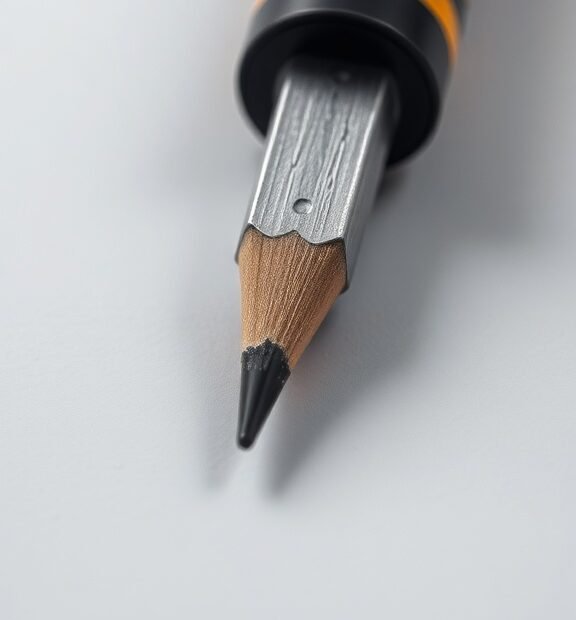
The Step-by-Step Guide on How to Make a Soldering Iron with a Pencil
Creating a soldering iron using a pencil can be an interesting and practical project for DIY enthusiasts and hobbyists. This simple method gives you a handy tool for small electronic repairs and soldering tasks. Here’s a straightforward guide to help you craft your very own soldering iron using common materials.
Materials You Will Need
- One graphite pencil (the thicker, the better)
- Power source (battery or AC adapter)
- Thin copper or aluminum wire (for better conductivity)
- Heat-insulating material (like tape or a wooden stick)
- Wire cutters
- Sandpaper (optional)
Step 1: Prepare the Pencil
Start by sharpening one end of your graphite pencil. A sharp point will allow better heat transfer when it heats up. You can use a knife or a sharpener to achieve a pointed tip. Use sandpaper to smooth out any rough edges if necessary. Be careful not to break the graphite while sharpening.
Step 2: Create the Heating Element
The graphite rod within your pencil acts as the heating element of your soldering iron. Next, cut a short piece of copper or aluminum wire, about six inches long. This wire will serve to connect your pencil’s graphite tip to the power source.
Soldering Stations | Easy 60 Day Return
Step 3: Connect the Wire to the Pencil
Strip the insulation off both ends of the wire. Wrap one end of the wire tightly around the sharpened graphite tip. Make sure the connection is snug, as this will help conduct heat and current efficiently. The other end of the wire will connect to your power source.
Step 4: Attach the Power Source
Depending on whether you are using a battery or an AC adapter, connect the free end of the wire to one terminal of the power source. If you are using a battery, you can tape the wire securely to the terminal. For an AC adapter, ensure you follow the safety procedures while connecting wires. Connect a second wire from the other terminal of the power source back to the graphite pencil. This will complete the circuit.
Soldering Stations | Easy 60 Day Return
Step 5: Insulate the Handle
To prevent burns or accidental shocks while using your homemade soldering iron, wrap the remaining part of the pencil with a heat-insulating material. You can use electrical tape or a small piece of wood for this purpose. This step is crucial for safety, as it helps to insulate the heat generated from the soldering tip.
Step 6: Testing Your Soldering Iron
Once you have connected everything securely and insulated the handle, it’s time to test your new soldering iron. Make sure you are working in a well-ventilated area and wear protective gear like goggles. Connect your power source and let the graphite tip heat up for a few moments. Use a soldering wire or lead to see if it melts. If it does, you have successfully created a working soldering iron!
Soldering Stations | Easy 60 Day Return
Tips for Using Your Pencil Soldering Iron
- Always handle your soldering iron with care.
- Avoid touching the graphite tip when in use, as it can get extremely hot.
- Use your soldering iron in a well-ventilated area to avoid inhaling smoke from melted materials.
- Practice soldering on scrap materials before moving to important projects.
Making your own soldering iron with a pencil is a fun and educational project that allows you to understand the basics of electronics and soldering. It provides a quick solution for small repairs and can be useful if you are in a pinch. Just remember to follow safety precautions, and you’ll have a handy tool ready for your electronics tasks!
Alternative Uses for Homemade Soldering Tools in DIY Electronics Projects
Whether you are just starting out in DIY electronics or you are a seasoned hobbyist, knowing how to create your own soldering tools can greatly enhance your projects. A simple soldering iron can be made from everyday materials, like a pencil, and can serve multiple purposes in your electronics endeavors. Let’s explore some alternative uses for these homemade soldering tools that can maximize their effectiveness and versatility.
Personalized Projects
One of the best aspects of using homemade soldering tools, such as a soldering pencil, is that they allow you to customize your projects. Here are a few ideas:
Soldering Stations | Easy 60 Day Return
- Custom PCB Assembly: With a soldering pencil, you can easily assemble printed circuit boards (PCBs), ensuring that all components are securely attached. Custom PCBs can be tailored to fit any project, from simple LED circuits to more sophisticated devices.
- Electronic Repair: Use your soldering iron for repairing damaged electronics. Broken connections in your favorite gadgets can often be fixed with soldering, giving them a new lease on life.
- Creatively Combining Materials: If you’re working with different conductive materials, a soldering pencil helps to attach these materials together. Use it to solder wires to various terminals or to connect different components in innovative ways.
Enhanced Prototype Development
When designing a new electronic gadget, prototypes are crucial. A soldering pencil can ease the process:
- Rapid Prototyping: Quickly solder components together to create a prototype to test your design. This allows you to experiment with different arrangements and configurations without the need for expensive tools.
- Testing and Adjustment: After assembling your prototype, you can easily adjust your connections. If something isn’t working as planned, a homemade soldering tool allows for quick fixes and changes.
- Skill Building: Building prototypes with a DIY soldering iron hones your soldering skills. This experience will lead to more sophisticated projects in the future, as you’ll gain confidence and expertise in your work.
Artistic Endeavors
Homemade soldering tools are not limited to traditional electronics; they can also be utilized in artistic projects:
Soldering Stations | Easy 60 Day Return
- Metal Work: Soldering can join metal pieces, allowing you to create unique sculptures or jewelry. Experiment with different metals and styles to create original art pieces.
- Stained Glass Projects: If you enjoy working with stained glass, a homemade soldering iron can help you join glass pieces securely to form beautiful designs.
- Upcycled Art: Use old electronics and materials to create innovative, mixed-media art installations. Solder connections can integrate various elements seamlessly, leading to amazing art projects.
Education and Skill Development
A soldering pencil is a great educational tool. It not only serves practical purposes but also aids in learning:
- Understanding Circuitry: As a beginner, using a homemade soldering tool can help you understand the basics of circuitry. You’ll learn how different components fit together and interact.
- Hands-On Learning: For educators, using DIY soldering tools can teach students about electronics in a hands-on way. This interactive method fosters engagement and retention.
By leveraging a creative approach to soldering, you can unlock a world of possibilities in your DIY electronics projects. Whether you’re assembling a circuit, creating art, or developing prototypes, your homemade soldering tools can transform the way you work. Explore these alternative uses and see how they can inspire your creativity and innovation in the fascinating world of electronics.
Soldering Stations | Easy 60 Day Return
So, grab your pencil, get crafting, and let your imagination guide you as you discover the exciting opportunities your homemade soldering tools can offer!
Conclusion
Creating a homemade soldering iron using a pencil is a clever and resourceful skill that can enhance your DIY electronics projects. By following the step-by-step guide, you not only gain a valuable tool but also deepen your understanding of the soldering process itself. This simple method allows you to tackle small repairs or customize your electronic devices without needing fancy equipment.
Beyond just soldering, this makeshift tool can be versatile in various DIY scenarios. Whether it’s crafting a circuit board or fixing a broken wire, your homemade soldering iron opens up a world of possibilities. It serves as a reminder that you don’t always need high-end tools to be successful in electronics – creativity and resourcefulness can often yield impressive results.
Soldering Stations | Easy 60 Day Return
Remember, experimenting with different materials and techniques will refine your skill set, making your future projects easier and more effective. So, the next time you encounter a soldering task and don’t have the right tool handy, reach for a pencil and see where your ingenuity can take you. With a bit of practice and the right approach, you’ll find that a simple pencil can transform into an essential tool in your DIY toolkit. Embrace the creativity of making your own tools, and continue to explore the exciting world of electronics.