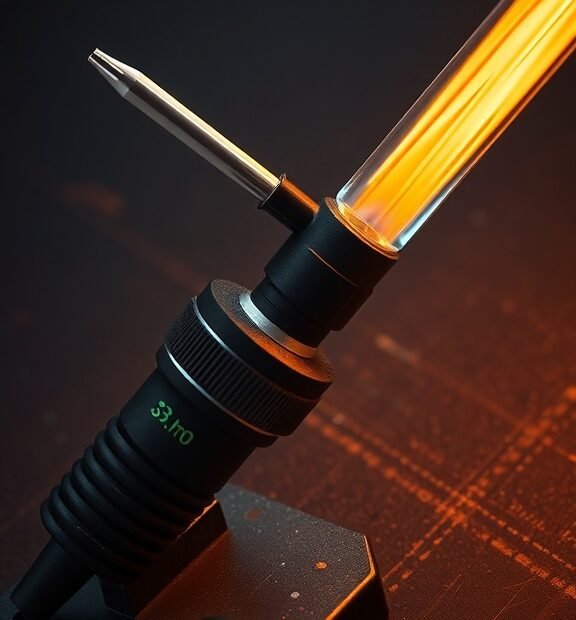
How to Make a Powerful Soldering Iron: Essential Tools and Materials
Creating a powerful soldering iron can enhance your electronics projects significantly. This guide will help you understand the essential tools and materials needed to build a soldering iron that suits your needs. By following a few straightforward steps, you can produce a tool that delivers outstanding performance and reliability.
Gathering Essential Materials
The first step in making a powerful soldering iron is to gather the right materials. Here’s a list of what you will need:
- Heating Element: Consider using a nichrome wire or a soldering iron tip that can withstand high temperatures.
- Power Supply: A 12V or 24V DC power supply will work well. Ensure it can provide enough current for the heating element.
- Handle: You can use a wooden or plastic handle for insulation and comfort.
- Soldering Tip: Purchase a high-quality tip designed for soldering electronic components.
- Thermal Insulation: This is crucial to keep the heat contained and prevent burns. Materials like ceramic or silicone can be effective.
- Wire: Use heavy gauge wire to connect the heating element to the power supply securely.
- Solder: Choose a lead-free solder for a safer and cleaner finish.
- Tools: Have a soldering iron, pliers, and a multimeter ready for assembly and testing.
Step-by-Step Assembly
With your materials gathered, it’s time to put your powerful soldering iron together. Follow these steps carefully:
- Prepare the Heating Element: Cut the nichrome wire to your desired length. The length will determine the temperature and heating speed, so 12-30 cm is generally effective.
- Attach the Soldering Tip: Securely attach your soldering tip to one end of the nichrome wire using a strong connection. You might need pliers to make this secure.
- Connect Power Supply Wires: Strip the ends of the power supply wires and connect them to the other end of the nichrome wire. Make sure they are firmly attached to avoid any electrical issues.
- Insulate the Handle: Fix the handle around the area where you’ll be holding the soldering iron. Make sure it’s tightly secured and insulated with thermal materials to prevent burns during use.
- Install Thermal Insulation: Cover areas of metal that may become hot during use with insulation. This is especially important near the tip and handle for safety reasons.
- Testing the Iron: Once you have everything in place, plug in your soldering iron to test it. Use the multimeter to ensure you have the correct voltage and current.
Safety Considerations
When making and using a powerful soldering iron, safety should never be overlooked. Here are some essential tips to keep in mind:
- Work in a Ventilated Area: When soldering, ensure your workspace is well-ventilated to avoid inhaling fumes.
- Wear Protective Gear: Use safety glasses and gloves to protect yourself during assembly and usage.
- Keep a Fire Extinguisher Nearby: Always have a fire extinguisher rated for electrical fires on hand while working with high-temperature equipment.
- Turn Off When Not In Use: Always unplug your soldering iron when you are done using it or if you need to take a break.
Maintaining Your Soldering Iron
To ensure the longevity and efficiency of your soldering iron, follow these maintenance tips:
- Clean the Tip Regularly: Use a damp sponge or brass cleaning pad to keep the soldering tip clean. This helps prevent oxidation and improves performance.
- Check Connections: Regularly inspect all connections for wear and tear. Loose wires can create safety hazards or inefficient heating.
- Store Properly: Store your soldering iron in a safe place where it won’t be damaged or pose a danger.
By gathering the right materials, assembling your soldering iron properly, and practicing safety, you will create a powerful soldering iron that meets your needs. Happy soldering!
Safety Tips and Best Practices for Using Your Soldering Iron
Soldering is an essential skill in many crafts and trades, especially in electronics, jewelry making, and metalworking. However, using a soldering iron comes with a certain level of risk. To ensure you work safely and effectively, it’s vital to familiarize yourself with key safety tips and best practices. These guidelines will help protect you from injury and create a better working environment.
Wear Appropriate Personal Protective Equipment
Your safety should come first when soldering. Always wear the appropriate personal protective equipment (PPE) to reduce the risk of injury:
- Safety goggles: Protect your eyes from any potential splashes or debris.
- Heat-resistant gloves: Use gloves to protect your hands from burns. Silicone gloves can provide a good grip while shielding against heat.
- Dust mask or respirator: Protect your lungs from harmful fumes generated during the soldering process.
Set Up a Safe Work Environment
Your workspace should be organized and free of hazards. Consider the following tips for a safer environment:
- Work on a non-flammable surface: Use a heat-resistant mat to prevent accidental fires.
- Adequate ventilation: Ensure proper airflow to avoid inhaling fumes. Open windows or use a fume extractor if necessary.
- Clutter-free workspace: Keep your working area tidy to prevent accidents caused by tripping or knocking over tools.
Understand Your Soldering Iron
Knowing your soldering iron and how it operates is crucial for safe use. Here are some essential points:
- Choose the right soldering iron: Select a tool with a wattage suitable for your project. A higher wattage allows for a faster heat-up time.
- Inspect before use: Check for frayed cords or damage to your soldering iron. Do not use it if you notice any issues.
- Temperature control: Use an iron with adjustable temperature settings for better control and to avoid overheating components.
Practice Safe Handling
How you handle the soldering iron directly impacts your safety. Follow these best practices:
- Avoid contact with the soldering tip: The tip can reach very high temperatures, causing severe burns. Always handle the iron by its insulated grip.
- Turn off when not in use: Unplug the soldering iron or switch it off to prevent accidental burns or fires.
- Store safely: Use a stand to place the soldering iron when not in use. Never leave it lying around or on flammable surfaces.
Use Solder and Flux Wisely
Your choice and handling of solder and flux are also crucial aspects of safe soldering:
- Select quality materials: Use RoHS-compliant solder to minimize harmful substances. The most common type is tin-lead solder; however, lead-free options are safer.
- Use flux sparingly: While flux helps improve solder flow, excessive use can produce toxic fumes. Only use as much as necessary.
- Clean up properly: After soldering, clean your work area to avoid leaving behind debris or residue that could lead to accidents.
Know What to Do in Case of Accidents
Being prepared for accidents is part of good practice. Here’s how you can react in various situations:
- Burns: For minor burns, cool the area under running water. For severe burns, seek medical attention immediately.
- Fumes: If you feel dizzy or lightheaded from fumes, stop working and get fresh air right away.
- Electrical issues: If you suspect an electrical fault, unplug the soldering iron and seek help. Do not attempt to repair it yourself.
Soldering safely involves understanding your tools, wearing protective gear, setting up a safe workspace, and knowing how to react in emergencies. Following these tips will help you create high-quality work while minimizing safety risks. Remember to prioritize your safety at all times, allowing you to focus on perfecting your soldering skills without fear of injury.
Conclusion
Creating a powerful soldering iron is not just about assembling tools and materials; it’s about understanding the process and prioritizing safety. By following the guidelines and steps outlined, you can build a soldering iron that meets your specific needs, whether for electronics repair, crafting, or DIY projects. The essential tools, like a high-quality soldering tip, reliable power source, and proper solder, play a crucial role in achieving the best results.
Equally important is the practice of safety when operating your soldering iron. Familiarizing yourself with safety tips such as working in a well-ventilated area, wearing protective gear, and keeping the workspace organized can prevent accidents. Always remember to handle the soldering iron with care; its high temperatures can cause severe burns if not managed properly.
Emphasizing both the quality of your soldering skills and the safety measures ensures a rewarding and enjoyable experience. With practice, you’ll gain confidence in your abilities, making you more proficient in your projects. So gather your tools, take necessary precautions, and dive into the world of soldering with enthusiasm. Your new powerful soldering iron is not just an instrument—it’s a gateway to endless possibilities and creative expression. Happy soldering!