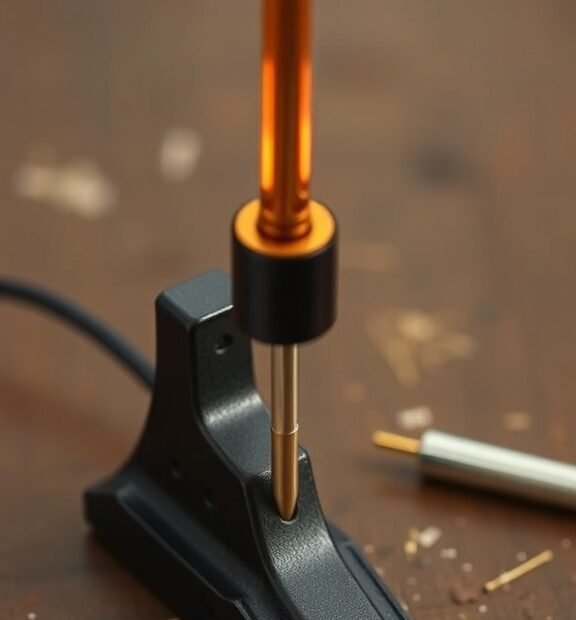
Homemade Soldering Iron: Materials and Step-by-Step Guide
Creating your own soldering iron can be a rewarding project, especially if you enjoy DIY electronics. A homemade soldering iron can save you money and teach you about the basics of electronics. Here’s a step-by-step guide on how to make a simple, functional soldering iron using readily available materials.
Materials Needed
- Metal Wire: A thick piece of copper or aluminum wire works best.
- Flat Metal Piece: This will serve as the tip of your soldering iron.
- Power Source: You can use a battery or a power adapter.
- Wooden Stick: This will act as the handle of the soldering iron.
- Insulation Tape: For covering exposed wires and providing safety.
- Tools: A wire cutter, pliers, and a screwdriver will be useful.
- Optional: A small switch for turning the soldering iron on and off.
Step-by-Step Guide
Step 1: Prepare the Handle
Start by taking the wooden stick. This will be the handle of your homemade soldering iron. Make sure it’s sturdy and long enough for you to hold comfortably. You might want to sand it down a bit to ensure there are no rough edges.
Step 2: Shape the Tip
Using the flat metal piece, shape it into a point that resembles a soldering iron tip. The sharper, the better, as this will help with achieving a focused area of heat. If you’re using a thick piece of wire, you can heat one end to make it flat. Ensure that it’s securely attached to the metal wire. This wire will carry the current, so it’s vital that the connection is solid.
Soldering Stations | Easy 60 Day Return
Step 3: Connect to the Power Source
Take your power source – either a battery or a power adapter – and prepare your copper or aluminum wire to connect it. Strip the ends of the wire using your wire cutter to expose the metal. Connect one end of the wire to the tip of the soldering iron and the other end to the positive terminal of the battery or power adapter.
Step 4: Attach the Handle
To ensure stability, attach the wooden stick to the other end of the metal wire. Use insulation tape to secure it tightly. This will create a secure grip, preventing any accidents while you’re working on your electronics.
Soldering Stations | Easy 60 Day Return
Step 5: Add Insulation
Carefully wrap insulation tape around any exposed wires. This step is very important as it prevents the risk of electric shock. It also adds sturdiness to your homemade soldering iron, ensuring the safety of your workspace.
Step 6: Optional Switch Installation
If you want to include a switch, connect it between the power source and the metal wire. This allows you to turn the soldering iron on and off as needed. It’s a useful feature, especially if you’re doing more extensive soldering jobs.
Soldering Stations | Easy 60 Day Return
Testing Your Homemade Soldering Iron
Now that your iron is assembled, it’s time to test it out. Plug it in or connect the battery, and observe the tip. It should get hot fairly quickly. Remember to use caution as the metal will be extremely hot. You can practice soldering on some scrap electronics to see how well it works.
Safety Tips
- Always wear protective gear, such as gloves and safety glasses.
- Work in a ventilated area to avoid inhaling any fumes from the solder.
- Be cautious while handling the homemade soldering iron, especially when it’s hot.
With these simple steps, you’ve created a homemade soldering iron that can serve you well in various electronics projects. Not only will you have a functional tool, but you’ll also have gained valuable skills in the process. Now, you can tackle your DIY electronics projects with confidence!
Safety Precautions When Using a DIY Soldering Iron
Creating your own soldering iron can be an exciting project, but safety must be your top priority throughout the process. Working with soldering irons involves heat and electricity, posing various risks that can be harmful if not managed correctly. Here are several essential safety precautions to consider when using a DIY soldering iron.
Soldering Stations | Easy 60 Day Return
Wear Appropriate Personal Protective Equipment (PPE)
Your safety starts with how you dress. To protect yourself while working with a homemade soldering iron, consider the following items:
- Safety goggles: Protect your eyes from solder splashes and fumes.
- Heat-resistant gloves: These can prevent burns when handling hot components.
- Long sleeves: Wear long sleeves to cover your skin from any unexpected sparks or hot metal.
- Sturdy shoes: Closed-toe shoes will protect your feet from heavy equipment or dropped tools.
Work in a Well-Ventilated Area
Fumes generated during soldering can be harmful if inhaled. It’s crucial to ensure that you are working in an area with proper ventilation. Here’s what to do:
Soldering Stations | Easy 60 Day Return
- Open windows and doors to let fresh air circulate.
- Consider using a fume extractor or fan to help dissipate fumes.
- Steps like these will keep harmful smoke away and help you breathe easier while you work.
Keep Flammable Materials Away
Heat generated by soldering can ignite nearby materials. To maintain a safe workspace, follow these guidelines:
- Clear your workspace of flammable items like paper, cloth, or plastics.
- Have a fire extinguisher nearby, just in case.
- Be aware of the area around you; knowing your surroundings can prevent accidents.
Maintain a Safe Distance from Others
While working, it’s best to have a designated workspace that is free from distractions. Keeping a safe distance from others helps minimize the risk of accidents. Consider these points:
Soldering Stations | Easy 60 Day Return
- Inform others when you’re working with hot tools.
- Set up your workstation in an area where pets and children cannot roam.
- When more than one person is soldering, ensure there’s enough space between each person.
Handle the Soldering Iron with Care
Actively observe safety practices while using your homemade soldering iron. Here are some tips:
- Always place the soldering iron on a heat-resistant stand when not in use.
- Avoid touching the metal parts of the soldering iron during and just after use, as they can remain extremely hot.
- Do not dangle the soldering iron by its cord; this can cause damage and increase the risk of overheating.
Be Aware of Electrical Hazards
Since your soldering iron may be homemade and involve wiring, be cautious of electrical risks:
Soldering Stations | Easy 60 Day Return
- Examine all electrical connections to ensure they are secure and insulated.
- Use a dedicated power outlet to avoid overloads.
- Never work on a wet surface as this increases the risk of electric shock.
Know How to Respond to Burns or Accidents
In case something goes wrong, knowing how to respond can make all the difference. To prepare:
- Keep a first-aid kit nearby.
- Familiarize yourself with burn treatment: hold a burn under cool running water and cover it with a sterile bandage.
- Have a plan for seeking medical help if necessary. Knowing who to call or where to go in case of an emergency is crucial.
By following these safety precautions, you can enjoy the process of working with your DIY soldering iron while minimizing risks. The key is to stay alert, prepared, and informed while you engage in your creative soldering projects.
Conclusion
Creating a homemade soldering iron can be a rewarding project that enhances your DIY skills and saves you money. With just a few materials, such as a heating element, a sturdy base, and appropriate wiring, you can build an effective tool for your electronics projects. Following the step-by-step guide ensures that you understand each component’s role and how to assemble them correctly for optimal performance.
Soldering Stations | Easy 60 Day Return
Equally important, keeping safety in mind while using your DIY soldering iron is crucial. Soldering involves high heat and can pose risks if not handled properly. Always use safety goggles to protect your eyes, and work in a well-ventilated area to avoid inhaling fumes. Keep flammable materials away from your workspace, and ensure that your soldering iron is placed on a non-flammable surface to prevent accidents.
By combining creative problem-solving with strict adherence to safety protocols, you can enjoy the satisfaction of creating gadgets or repairing electronics with your homemade soldering iron. With practice, you’ll not only master the art of soldering but also gain confidence in your ability to tackle various projects. Remember, the joy of DIY comes not just from the final product, but also the skills and knowledge you gain along the way. Get started today, and empower yourself to create, repair, and innovate!