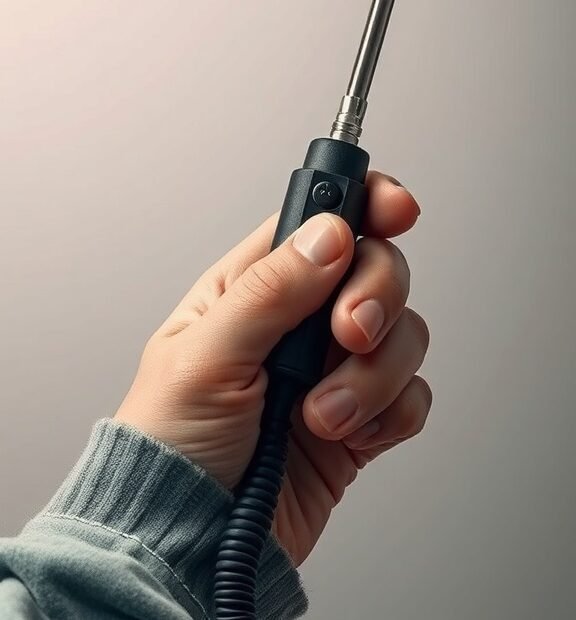
Essential Techniques on How to Hold a Soldering Iron for Beginners
Soldering is an essential skill for anyone involved in electronics, whether as a hobby or a profession. Learning how to hold a soldering iron correctly can significantly improve your comfort and effectiveness while soldering. In this guide, we will explore the best techniques for beginners on how to hold a soldering iron properly.
When you first pick up a soldering iron, it may feel a bit unwieldy. However, with the right grip and posture, you can gain confidence and precision in your work. The core idea is to ensure your hands are steady and your movements are intentional. Here are some essential techniques for beginners:
Choosing the Right Grip
Getting your grip right is one of the first steps in mastering how to hold a soldering iron. Here are a few options:
Soldering Iron Kits & Accessories
- Pinch Grip: Hold the iron between your thumb and the first two fingers. This method offers excellent control and helps keep the tip steady.
- Full Grip: Wrap your fingers around the handle of the soldering iron like a pencil. This grip can provide a comfortable hold, but be cautious as it may not offer as much precision.
- Pointer Finger Adjustment: Use your pointer finger to steady the soldering iron on the soldering joint. This technique can help you apply pressure for better heat transfer.
Body Positioning
Your body position plays a vital role in how you hold a soldering iron. Below are some tips on body positioning to enhance your technique:
- Sit Repeatedly: If you are working at a table, sit comfortably with your back straight. This position helps maintain stability.
- Elbow on the Table: Rest your elbow on the table to support your arm. This creates a stable platform that impacts the accuracy of your soldering.
- Leaning Forward: Leaning slightly forward can help you see the joint you are working on without straining your neck or eyes.
Maintaining Proper Distance
Understanding the right distance to your soldering joint is crucial. Here’s how to manage it:
Soldering Iron Kits & Accessories
- Distance from the Tip: Keep the soldering iron tip about 1/8 to 1/4 inch away from the joint. This distance allows the heat to transfer effectively without burning surrounding components.
- Angle of Approach: Hold the iron at a slight angle to the joint. This approach helps create better airflow and promotes a quicker soldering process.
Using the Other Hand Effectively
Your other hand can be a powerful tool in the soldering process. Here’s how to use it:
- Handle Components: Use your non-dominant hand to hold wires, or components in place, ensuring that they remain steady while you solder.
- Apply Solder: If you’re using a soldering stand, use your free hand to bring the solder to the tip and melt it to flow into the joint.
- Remove Excess Solder: After soldering, you may use your other hand to position a desoldering pump or solder wick for cleanup.
Practice, Practice, Practice
Ultimately, the best way to improve your technique in holding a soldering iron is through practice. Start by practicing on scrap materials to develop your comfort level and find what techniques work best for you. Over time, you will find your rhythm, and your soldering skills will improve dramatically.
Soldering Iron Kits & Accessories
Soldering can be a rewarding task when approached correctly. Remember to be patient with yourself as you learn how to hold a soldering iron. The more you practice and refine your technique, the better your results will be. Equipped with this foundational knowledge, you are now ready to begin your soldering journey confidently!
Common Mistakes to Avoid When Using a Soldering Iron
Using a soldering iron is an invaluable skill for anyone working with electronics, from hobbyists to professionals. However, a few common mistakes can lead to frustrating results or even accidents. By being aware of these pitfalls, you can improve your soldering technique and ensure quality work, making projects smoother and safer. Here are some crucial mistakes to avoid when using a soldering iron.
Mistake 1: Not Using the Right Temperature
One of the most significant errors is not setting the correct temperature on your soldering iron. A temperature that is too low may make it difficult to melt the solder properly, while a temperature that is too high can damage components or create excess oxidation.
Soldering Iron Kits & Accessories
- Ensure that your soldering iron is set to the appropriate temperature, typically around 350°C (662°F) for most solder.
- Allow the soldering iron ample time to reach the desired temperature before starting your work.
Mistake 2: Poor Grip and Handling
How you hold your soldering iron is crucial for precision and control. Many beginners tend to grip the soldering iron too tightly or at an awkward angle, which can lead to mistakes.
- Hold the soldering iron like a pen, with a loose grip that allows for better movement.
- Position your hand above the tip to maintain control and improve visibility.
- Keep the tip angled slightly down which helps with solder flow.
Mistake 3: Not Preparing the Components
Preparation is essential. Failing to clean or tin your components before soldering can lead to weak joints or cold solder connections. Here’s what you can do:
Soldering Iron Kits & Accessories
- Always clean the surfaces of components with isopropyl alcohol to remove oils and dirt.
- Tinning the wire or pads with a small amount of solder before attaching them can create a strong bond.
Mistake 4: Ignoring Safety Precautions
Soldering irons are hot tools that pose a risk if not handled correctly. It is crucial to take the necessary safety precautions to avoid burns and other injuries.
- Always wear safety goggles to protect your eyes from solder splashes.
- Ensure you solder in a well-ventilated area to avoid inhaling fumes.
- Use a soldering iron holder to prevent accidental contact with surfaces that can catch fire.
Mistake 5: Leaving the Soldering Iron Unattended
Another mistake is leaving the soldering iron unsupervised while it’s plugged in. This careless action can lead to serious accidents.
Soldering Iron Kits & Accessories
- Always turn off and unplug your soldering iron when you’re done using it.
- If you need to take a break, place your iron in a holder instead of resting it on your workspace.
Mistake 6: Inadequate Solder Application
Applying insufficient solder can result in weak connections, while using too much can create bridges between connections. Striking the right balance is essential for quality solder joints.
- Practice applying solder in small amounts to achieve the desired bond.
- Look for a shiny, smooth connection that indicates good solder flow.
Mistake 7: Rushing the Process
Rushing through soldering can lead to mistakes. Precision soldering takes time and patience. Here’s how you can ensure you don’t rush:
Soldering Iron Kits & Accessories
- Take your time to plan your work and understand the steps needed.
- Check your connections once before applying solder to avoid rework.
Avoiding these common mistakes will enhance your soldering skills and provide quality results in your projects. Remember, practice makes perfect, so take your time and be mindful of the techniques you use. Happy soldering!
Conclusion
Mastering how to hold a soldering iron is an essential skill for anyone venturing into electronics or DIY projects. By employing the essential techniques outlined earlier, you can ensure a steady hand and create strong, reliable connections. Remember to grip the soldering iron like a pencil, keeping a comfortable distance between your fingers and the tip, which helps prevent burns while providing better control.
As you become more familiar with your soldering iron, it’s crucial to recognize and avoid common mistakes. Improper technique, such as holding the iron too tightly or at an awkward angle, can lead to shaky hands and inaccurate work. Additionally, neglecting proper tip maintenance can affect the quality of your solder joints. Regularly cleaning and tinning the tip helps maintain optimal performance and ensures successful soldering every time.
Soldering Iron Kits & Accessories
With practice and mindfulness, you will improve your skills and gain confidence in your abilities. Keep your workspace organized, stay focused, and don’t be afraid to seek help or watch tutorials to refine your technique. Every mistake is an opportunity to learn and grow, so embrace the learning process. Soon enough, you’ll find yourself handling the soldering iron with ease, creating projects that reflect your growing expertise and creativity. Happy soldering, and may your connections be strong and reliable!