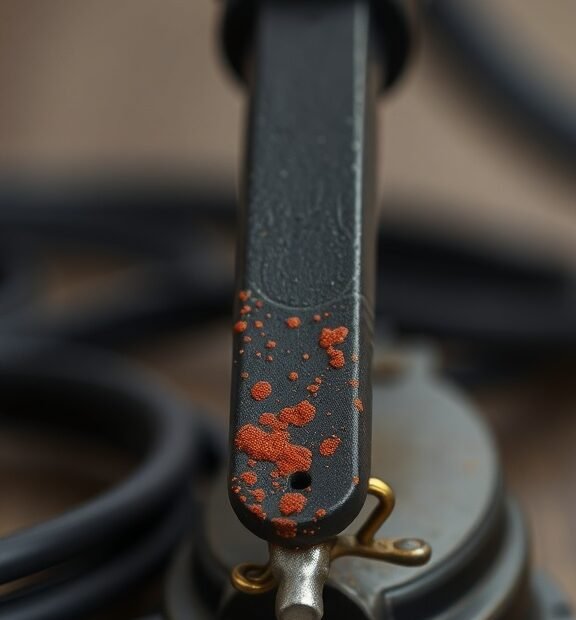
Effective Techniques for Fixing an Oxidized Soldering Iron Tip
Dealing with an oxidized soldering iron tip can be frustrating, but it’s an issue that can be tackled with some effective techniques. If your soldering iron tip looks dull or crusty, it’s likely oxidized. This oxidation can prevent the tip from heating properly and make soldering difficult. Fortunately, there’s no need to buy a new tip. You can fix your oxidized soldering iron tip with some straightforward methods. Here are some steps to help you rejuvenate your equipment.
Understanding Oxidization
Oxidization primarily occurs when the soldering iron tip is exposed to air and moisture. The copper inside the tip reacts with oxygen, leading to a layer of oxidized copper. This layer can cause poor heat transfer, making it hard for you to solder effectively. By identifying signs of oxidation early, you can prolong the life of your soldering iron tip.
Gather Your Supplies
Before you begin fixing your oxidized soldering iron tip, gather the following materials:
- Steel wool: This serves as a reliable abrasive to remove oxidation.
- Wet sponge: A damp sponge is essential for cleaning and maintaining the tip during use.
- Solder: Keep some solder on hand, as it can also help in the cleaning process.
- Tip tinner: This can restore solderability and protect the tip from future oxidation.
Technique 1: Scraping with Steel Wool
The first step in restoring an oxidized soldering iron tip is to use steel wool. Here’s how:
- Turn on your soldering iron and let it heat up. It’s essential that the tip is hot for effective cleaning.
- Once hot, take a small piece of steel wool and gently rub the tip. This will help in removing the oxidized layer.
- Be cautious not to apply too much pressure, as excessive force can damage the tip. A light touch is usually sufficient.
Technique 2: Using a Wet Sponge
After scraping with steel wool, cleaning the tip with a wet sponge is a great practice:
- With your soldering iron still hot, tap the tip on the wet sponge. This will remove any residue left from the steel wool.
- The moisture from the sponge can also aid in cooling the tip slightly, making it easier to handle.
Technique 3: Tin the Tip
To protect your soldering iron tip from future oxidation, you should tin it. Tinning is the process of coating the tip with solder:
- While the tip is still hot, apply a small amount of solder directly on the tip.
- Spread the solder evenly over the surface, ensuring good coverage.
- This protective layer will help keep oxidation at bay when the soldering iron is not in use.
Maintenance Tips
Once you’ve fixed your oxidized soldering iron tip, follow these maintenance tips to keep it in good condition:
- Regular Cleaning: Clean the tip with a wet sponge after every use to prevent oxidation.
- Store Properly: When not in use, store your soldering iron in a dry place to minimize moisture exposure.
- Tinning Practice: Always tin the soldering iron tip before putting it away, as this keeps it protected.
Investing in Quality Equipment
While you can fix an oxidized soldering iron tip, investing in quality soldering equipment can go a long way. Look for soldering irons with replaceable tips and those designed to resist oxidation. This can save you time and hassle in the long run.
Fixing an oxidized soldering iron tip is a straightforward process. By using steel wool, a wet sponge, and solder for tinning, you can restore functionality to your soldering iron. Regular maintenance, proper storage, and quality equipment can further extend the life of your soldering supplies. With these techniques, you’ll be well-equipped to handle any soldering job with confidence.
Understanding the Importance of Keeping Your Soldering Iron Tips in Optimal Condition
To achieve quality work in soldering, maintaining your soldering iron tips is crucial. Your soldering iron tip is the part that directly contacts the solder and the components being joined. When the tip is in great condition, it ensures precise and efficient soldering. However, neglecting the care of your soldering iron tip can drastically affect your work quality, causing a host of problems.
Oxidation is one of the main issues that can affect your soldering iron tips over time. It occurs when the metal of the tip reacts with oxygen, forming a layer of oxidation. This reaction not only makes the tip look dull but can also hinder its heat transfer capabilities. A well-maintained tip can make your soldering tasks much easier and help you achieve clean, strong joints.
Keeping your soldering iron tips in optimal condition helps you in several ways:
- Enhanced Performance: A clean and well-tinned soldering iron tip transfers heat more efficiently. This means less time is spent waiting for the iron to heat up, allowing you to work faster.
- Better Solder Joints: When the tip is properly cleaned and maintained, it helps in producing smoother, more reliable solder joints. This contributes to better electrical connections, ultimately leading to more durable and functional assemblies.
- Reduced Wear: By caring for your tips, you can extend their lifespan. Investing time in maintenance will save you money and the hassle of frequently replacing tips.
- Improved Safety: An oxidized or damaged soldering tip can lead to overheating. This can not only damage your components but also create safety hazards.
Now, let’s explore how to fix oxidized soldering iron tips and maintain them for optimal performance.
One of the most common methods to address oxidized tips is cleaning. To start, unplug the soldering iron and let it cool down slightly. You can use a wet sponge or a brass sponge designed for soldering to clean the tip. Gently wipe off the oxidation, ensuring you do not damage the tip’s surface.
If the tip is heavily oxidized, you may need to take more aggressive measures. One effective approach is to use a mixture of baking soda and water:
- Mix a tablespoon of baking soda with a few drops of water to form a thick paste.
- Apply the paste directly onto the oxidized areas of the soldering iron tip.
- Allow it to sit for a few minutes.
- Gently scrub the area with a non-abrasive cloth or sponge.
- Rinse with distilled water and dry thoroughly.
Another effective method is using specialized soldering tip cleaners available in stores. These cleaners are often designed as a solution to dip the tip into for cleansings. Follow the instructions on the packaging for the best results.
After cleaning, it is essential to tin the soldering iron tip. Tinning involves melting a small amount of solder onto the tip to create a protective layer. This helps to prevent further oxidation. To tin your tip:
- Heat the soldering iron until it reaches its optimal temperature.
- Apply a small amount of solder directly onto the tip.
- Allow the solder to melt and spread evenly across the surface.
- Let it cool slightly before using it again.
Regular maintenance and cleaning practices can significantly improve the performance and lifespan of your soldering iron tips. It is also important to store your soldering iron properly after use. This can include keeping it in a stand or dedicated storage case to prevent damage and oxidation when not in use.
Additionally, it is advisable to avoid overheating your soldering iron, as excessive heat can cause deterioration over time. Always use it at the appropriate temperature for the task at hand, and unplug it when it is not in use.
Staying on top of soldering iron tip maintenance can significantly enhance your soldering projects. By understanding the importance of a clean and well-maintained soldering iron tip, you position yourself to achieve better results in your electronic work. Engaging in these good practices ensures reliability in your soldering jobs, promoting both efficiency and safety.
Conclusion
Maintaining your soldering iron tips in excellent condition is crucial for achieving high-quality solder joints and ensuring the longevity of your tools. By understanding the importance of keeping your soldering iron tips oxidization-free, you can significantly enhance your soldering experience. Effective techniques such as proper cleaning, frequent tinning, and using the right type of flux are key practices that can help prevent oxidation from occurring in the first place.
Regular maintenance not only improves work efficiency but also reduces frustrations often caused by poor connections and imprecise soldering. Remember to clean your iron tip after each use, as this simple habit can save you time and effort down the road. If you do find that your soldering iron tip has oxidized, don’t worry! Applying the right methods can quickly revive it, allowing for smooth soldering tasks once again.
These practices into your routine can make a significant difference. You’ll not only extend the lifespan of your soldering tips but also improve your overall projects’ quality. With a little attention and care, your soldering iron can remain an effective and reliable tool for all your electronics work. So take these tips to heart and watch your skills elevate as your tools stay in optimal shape. Engaging in regular maintenance of your soldering iron tips truly pays off in both productivity and quality of work.