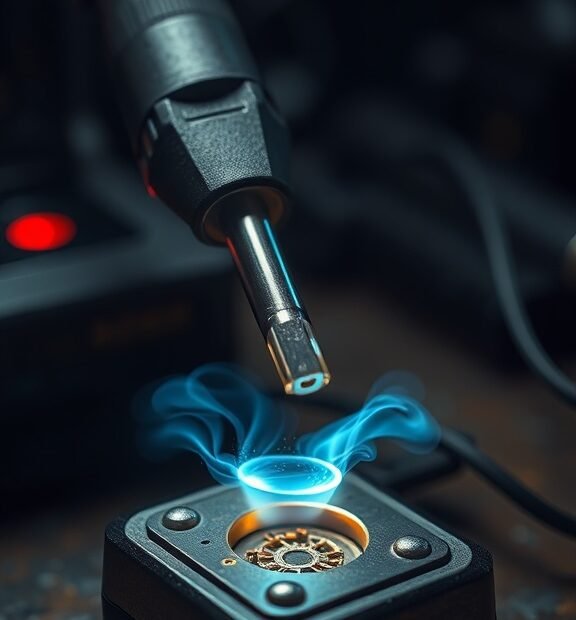
Step-by-Step Guide on How to Fix a Soldering Iron
If you’re experiencing issues with your soldering iron, don’t worry! Many common problems can be fixed with just a little effort and the right approach. Here’s a simple step-by-step guide that will help you get your soldering iron back in working order.
Check the Power Supply
The first step in fixing a soldering iron is to ensure that it is receiving power. Follow these steps:
- Unplug the soldering iron from the wall socket.
- Inspect the power cord for any visible damage such as fraying or cuts.
- Try plugging it into a different outlet to rule out a faulty socket.
- If your soldering iron has a power switch, make sure it’s turned on.
Inspect the Heating Element
If your soldering iron is plugged in and the power supply is okay, the next step is to check the heating element. Here’s how:
Soldering Iron Kits & Accessories
- Let the soldering iron cool down, then unplug it.
- Look for signs of damage or wear on the tip and the heater inside.
- Use a multimeter to test the continuity of the heating element. A lack of continuity indicates that the heating element may need replacement.
Clean the Tip of the Soldering Iron
If the tip is oxidized or dirty, it might not transfer heat properly. To clean the tip:
- Heat the soldering iron until it’s warm but not too hot to touch.
- Use a damp sponge or wet cloth to wipe off oxidation carefully.
- If the tip is extremely dirty, consider using a file or fine sandpaper to gently abrade the surface.
- After cleaning, apply a small amount of solder to the tip to help maintain it.
Replace the Tip
If your soldering iron tip is damaged or worn out, replacing it may be necessary. Follow these steps:
Soldering Iron Kits & Accessories
- Ensure your soldering iron is unplugged and completely cooled down.
- Carefully unscrew or pull off the old tip according to the model specifics.
- Get a compatible replacement tip based on the soldering iron’s model.
- Attach the new tip securely, ensuring it fits well.
Troubleshoot Temperature Settings
Many soldering irons have adjustable temperature settings. Improper temperature can cause soldering issues. Here’s what to do:
- Confirm you are using the correct temperature for the type of solder and project you are working on.
- If your soldering iron has a temperature dial, check if it’s set correctly.
- If adjustable, test the soldering iron at various temperatures to see if heat is consistent.
Check the Internal Wiring
If your soldering iron still doesn’t work, there might be an internal wiring issue. Here’s how to investigate:
Soldering Iron Kits & Accessories
- Unplug the soldering iron and let it cool down completely.
- Carefully take apart the housing to expose the internal components.
- Look for any loose wires, burnt components, or broken connections.
- Reconnect or replace any damaged parts as necessary. Be cautious if you’re not experienced with electronics.
Consult the Manufacturer
If you have tried all these steps and still face issues, it may be best to consult the manufacturer. Here’s how:
- Find the manual or warranty information that came with your soldering iron.
- Note the model number and check the manufacturer’s website for troubleshooting tips.
- Consider reaching out to customer support if the soldering iron is under warranty.
Fixing a soldering iron can seem daunting, but with these straightforward steps, you can troubleshoot and resolve common issues effectively. By ensuring it’s powered correctly, checking the heating element, cleaning the tip, and addressing any internal problems, you’ll be back to your projects in no time!
Common Issues with Soldering Irons and Their Solutions
Soldering irons are essential tools for electronics enthusiasts and professionals alike. However, they can encounter various issues that disrupt their functionality. If you’re facing problems with your soldering iron, knowing how to troubleshoot them can save you time and money. Here are some common issues and effective solutions to get your soldering iron back in working order.
Soldering Iron Kits & Accessories
1. Soldering Iron Won’t Heat Up
If your soldering iron is unresponsive and doesn’t heat, there could be several culprits.
- Power Supply Issues: Ensure that the soldering iron is plugged in securely. Check the outlet by plugging in another device to confirm it’s working.
- Damaged Power Cord: Inspect the power cord for any visible damage, such as fraying or cuts. If you find any, stop using the soldering iron immediately and consider replacing the cord.
- Internal Components Failure: If the power supply is operational and the cord is fine, the heating element may be faulty. In this case, professional repair or replacement might be necessary.
2. Chipped or Worn-Out Tip
The tip of your soldering iron can wear out over time, leading to poor heating and soldering performance.
Soldering Iron Kits & Accessories
- Regular Cleaning: To prolong the life of your soldering iron tip, keep it clean. You can use a wet sponge or brass wire cleaner to remove oxidation and debris.
- Replacement: If the tip is severely chipped or worn down, it’s essential to replace it. Ensure you buy the right tip for your soldering iron model.
3. Poor Solder Joint Quality
If you’re struggling with solder joints that are cold or have insufficient bonding, there are steps you can take to improve the situation.
- Temperature Settings: Ensure your soldering iron is set to the appropriate temperature. Different solder materials may require different heat levels.
- Technique Improvement: Maintaining the right angle while soldering and ensuring the components are properly aligned can significantly enhance joint quality.
4. Solder Doesn’t Stick
Sometimes, solder may not adhere to the surfaces of the components you’re working with, which can be frustrating.
Soldering Iron Kits & Accessories
- Surface Cleaning: Always start by cleaning the surfaces of the components. A clean surface allows solder to flow better.
- Use the Right Flux: Apply flux to the area you plan to solder. Flux helps to remove oxidation and promotes better adhesion.
5. The Soldering Iron Tip is Too Hot
Conversely, if your soldering iron is getting too hot, it can cause damage to components or lead to burnt solder.
- Adjust Temperature: If your soldering iron has adjustable temperature settings, reduce the temperature. Use a thermometer for precise measurement if possible.
- Timing Control: Ensure you’re not holding the soldering iron on a component for too long. Quick touches are usually adequate for effective soldering.
6. Frequent Tip Oxidation
Oxidation on the soldering tip can hinder its effectiveness during soldering.
Soldering Iron Kits & Accessories
- Proper Storage: Always store your soldering iron in a clean, dry place. Some users find it beneficial to tin the tip with solder before storing it away.
- Regular Maintenance: Make it a habit to clean the tip after each use, as this can significantly reduce the amount of oxidation.
7. Soldering Iron Producing Fumes
If your soldering iron generates more fumes than usual, take the following steps.
- Check Solder Type: Ensure you’re using a quality solder with low fumes. Some solder types produce more harmful fumes due to their chemical composition.
- Ventilation: Always work in a well-ventilated area. Consider using a fume extractor to maintain a safe working environment.
By identifying and addressing these common issues, you can extend the lifespan of your soldering iron and improve your soldering experience. Regular maintenance and proper handling are key to ensuring that your soldering iron works effectively whenever you need it.
Conclusion
Fixing a soldering iron can seem daunting at first, but with the right approach and a little patience, it becomes manageable. By following the step-by-step guide outlined above, you can troubleshoot various problems your soldering iron might encounter, from inconsistent heating to broken tips. Each common issue has a practical solution, whether it’s cleaning the tips or replacing faulty components.
Soldering Iron Kits & Accessories
Remember, the key to a well-functioning soldering iron lies in regular maintenance and care. Ensuring that your equipment is kept clean and functionality is regularly checked can prevent many issues before they arise. Don’t hesitate to consult user manuals or online resources specific to your model for more tailored solutions.
Understanding these common problems equips you with the know-how to address issues quickly, allowing you to focus on your projects without disruption. Always prioritize safety when working with tools and electrical components, and if a problem persists beyond your expertise, it may be wise to seek professional help.
Soldering Iron Kits & Accessories
With these strategies, you can give your soldering iron a longer life and enhance its efficiency. Engaging with your equipment and learning how each component contributes to the overall function enriches your skills and confidence. Whether you’re a hobbyist or a professional, knowing how to fix a soldering iron is an invaluable part of your toolkit. Embrace the opportunity to fix it and keep on creating!