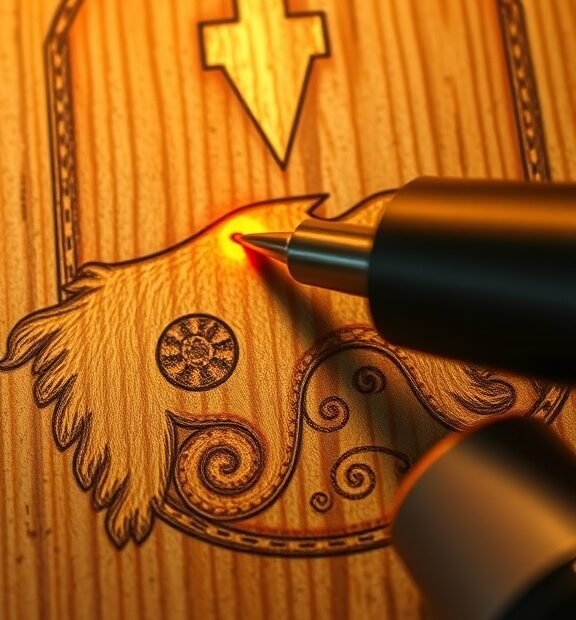
Techniques for Engraving Wood with a Soldering Iron
Engraving wood with a soldering iron is an accessible and rewarding craft that allows you to create personalized designs and unique decorations. Whether you’re looking to make custom gifts or decorate your home, mastering this technique can take your woodworking projects to the next level. Here are some effective methods and tips to help you engrave wood with a soldering iron.
Choosing the Right Soldering Iron
Before you begin, it’s important to select the right soldering iron. The ideal soldering iron should have a fine tip for detailed engraving work. Look for one that allows you to adjust the temperature, as different wood types may require different heat settings. A soldering iron with a temperature range of about 300°F to 600°F (150°C to 315°C) is perfect for wood engraving.
Preparing Your Workspace
Setting up a proper workspace is essential to ensure safety and success. Here are a few tips for preparing your space:
- Work on a Heat-Resistant Surface: Ensure your workspace has a heat-resistant surface to prevent damage. A piece of scrap wood or a hot pad works well.
- Good Ventilation: Engraving produces smoke from burning wood, so it’s best to work in a well-ventilated area.
- Easily Accessible Tools: Have all your tools within reach, including your soldering iron, wood pieces, and any additional materials.
Selecting the Wood
Different types of wood engrave differently. Softer woods like pine and basswood are easier to work with, while harder woods like oak may require more pressure. Here are some wood types to consider:
- Pine: Soft and easy to carve, pine offers a light color that shows engravings well.
- Basswood: A favorite among crafters, basswood has a fine grain that provides smooth engraving.
- Cedar: Known for its aromatic smell, cedar is also a good choice due to its softness.
Designing Your Engraving
Having a clear design is crucial for a successful engraving. You can either draw your own design or find templates online. If you draw by hand, use a pencil to lightly sketch your outline on the wood. Alternatively, you can print your design and transfer it to the wood using graphite paper. Here’s how to transfer a design:
- Print your design on regular paper.
- Place graphite paper between the wood and the design.
- Trace over the design with a pencil to transfer the graphite onto the wood.
Techniques for Engraving
Now that you’re set up, it’s time to start engraving. Here are several techniques you can use to create different effects:
- Shading: To create shading, move the soldering iron in circular motions or gently lift it off the surface slightly to control depth.
- Outlining: For clear outlines, use a steady hand and apply consistent pressure. This will produce a clean line that defines the design.
- Texturing: Create textures by dragging the soldering iron across the wood in various patterns. Experiment with different motions to discover unique textures.
Finishing Touches
After you finish engraving, sanding the edges can help eliminate rough areas and create a smoother finish. Use fine-grit sandpaper for this step. You may also want to apply a wood finish like varnish or wood oil to enhance the appearance of the engraving and protect the wood.
Safety Precautions
Safety should always be a top priority when engraving with a soldering iron. Here are important safety measures:
- Wear Protective Gear: Use safety goggles to protect your eyes from smoke and dust.
- Avoid Contact with Skin: The soldering iron gets extremely hot, so always handle it by the insulated grip.
- Be Mindful of Flammable Materials: Keep flammable items away from your workspace to reduce fire risks.
Engraving wood with a soldering iron is a fun and creative process that allows you to personalize your projects. With the right tools and techniques, you can create simple yet stunning engravings that add character to your wooden items. So gather your materials, and unleash your creativity on wood!
Essential Safety Tips for Using a Soldering Iron on Wood
Using a soldering iron on wood for engraving can be a fun and creative activity. However, with this fun comes the need for careful safety measures. Keeping safety in mind can help prevent harmful accidents and ensure that your project goes smoothly. Below are essential safety tips to follow when using a soldering iron on wood.
Wear Appropriate Personal Protective Equipment (PPE)
Your safety starts with the right personal protective equipment. Always wear:
- Safety goggles: Protect your eyes from smoke and debris.
- Heat-resistant gloves: These protect your hands from burns.
- Respirator mask: If you’re working with treated wood or varnished surfaces, a mask can help filter out harmful fumes.
Work in a Well-Ventilated Area
It’s crucial to ensure that you are working in a space with good airflow. Fumes from the soldering iron can be hazardous, especially if you’re working with wood that has chemical treatments or finishes. Open windows or use a fan to keep the air circulating and minimize the inhalation of harmful particles.
Keep Flammable Materials Away
Before starting, make sure to clear your workspace of any flammable materials. Soldering irons can reach very high temperatures, easily igniting fabrics, paper, or other combustibles. Maintain a clean area and keep these items at a safe distance from your work.
Handle the Soldering Iron with Care
Always treat your soldering iron as if it is hot, even when you think it isn’t. Here are some tips:
- Use it on a stable surface: Use a heatproof mat or station to rest the soldering iron.
- Avoid touching the tip: This part can reach temperatures of over 500°F (260°C). Always grab it by the handle.
- Unplug when not in use: It’s easy to forget, but it’s important to disconnect the iron from power to avoid accidents.
Know Your Tools
Understand how your soldering iron works and how to adjust its temperature settings. Different woods may require different temperatures, so it’s essential to know how to modify your tool accordingly. Read the manual thoroughly to familiarize yourself with all features and cautions.
Test Your Technique First
Before starting on your final piece, practice your engraving technique on scraps of wood. This will help you manage the soldering iron better and understand how the tool interacts with the wood. You can determine the right speed and pressure needed for best results without damaging your project.
Have a Fire Extinguisher Nearby
Although it may seem excessive, having a fire extinguisher within reach is a wise safety precaution. In case of a fire, acting quickly can prevent serious damage. Make sure it’s a type suitable for wood and electrical fires (typically a Class A or Class C extinguisher).
Stay Focused
When working with a soldering iron, it’s vital to remain attentive. Distractions can lead to mishaps that could result in burns or even injuries. Take breaks if you start to feel fatigued to maintain your concentration and work safely.
Read Up on Wood Types
Different types of wood will react differently to the heat from a soldering iron. Hardwoods like oak might take longer to engrave than softer woods like pine. Understanding how the wood you are working with reacts to heat can save you time and prevent accidents.
By following these essential safety tips, you can enjoy engraving wood with your soldering iron while minimizing risks. Engaging in this craft can be an exciting way to express creativity, so ensure that your safety measures are as in-depth as your artistic aspirations. Stay safe and have fun creating!
Conclusion
Engraving wood with a soldering iron can be a rewarding and creative process, offering unique possibilities for personalizing projects or creating custom art pieces. By employing various techniques, like using different tips and altering temperature settings, you can achieve a range of effects from light etching to deep burns. Practicing these methods allows you to develop your skills and discover your own style, transforming simple wood into stunning designs.
However, safety should always remain a priority when engaging in any form of DIY crafting. Familiarizing yourself with best practices, such as wearing protective gear and working in a well-ventilated area, can significantly minimize risks. Understanding your tools and ensuring they are in good working condition can also help you navigate potential hazards more effectively. Always let your soldering iron cool down before handling it, and avoid distractions while working.
By combining artistic techniques with essential safety measures, you can dive into wood engraving with confidence. This not only enhances your creativity but also ensures that your project remains a safe and enjoyable experience. Whether you’re creating a thoughtful gift or a distinctive piece of home decor, the skill of wood engraving with a soldering iron opens up endless possibilities for self-expression. With practice and mindfulness, you can turn ordinary wood into extraordinary art that will be cherished for years to come.