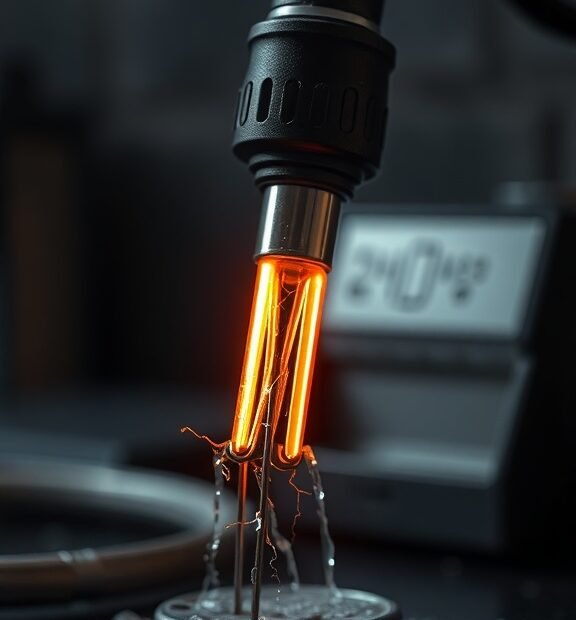
Effective Methods for Cooling Down a Soldering Iron Safely
Using a soldering iron is essential for many electronics projects, but knowing how to safely cool it down after use is just as important. A hot soldering iron can cause burns and damage to your work surface. Therefore, understanding effective methods to cool down your soldering tool will help you work more safely and efficiently. Below are some effective methods you can employ to cool down a soldering iron safely.
Allowing the Iron to Cool Naturally
The simplest way to cool down your soldering iron is to let it cool naturally in a safe environment. After you finish your soldering, turn off the iron and place it in a secure stand. Here are some tips for natural cooling:
- Place the Iron Upright: Always place your soldering iron in an upright position in a dedicated stand. This prevents accidental contact with hot surfaces or objects.
- Ventilated Area: Ensure the cooling iron is in a well-ventilated area away from flammable materials to minimize fire risks.
- Time: Be patient as this may take anywhere from 15 to 30 minutes, depending on the iron’s wattage and material.
Using a Damp Sponge or Cloth
An additional method for cooling your soldering iron involves using a damp sponge. This is particularly effective when you’re working with the iron intermittently. Here’s how to use this technique safely:
Soldering Iron Kits & Accessories
- Wet the Sponge: Moisten a clean sponge with water, ensuring it’s damp but not dripping.
- Brief Contact: Carefully touch the tip of the soldering iron to the sponge for a few seconds. This will help dissipate heat faster.
- Stay Cautious: Make sure you do this in a well-ventilated area; the moisture can create steam.
Temperature Control Tools
For those who frequently solder, investing in a soldering iron with temperature control features can be beneficial. Such tools allow users to precisely manage the temperature, which can reduce the need for excessive cooling after each use.
- Adjustable Temperature Settings: Look for models that let you set lower temperatures. Less heat means easier cooling.
- Automatic Shut-off: Some newer models come with auto shut-off features which turn the iron off when not in use, preventing overheating.
- Thermal Management Design: Consider purchasing soldering irons that include heat sinks or other thermal management features.
Using a Heat Sink Tool
If you often find yourself in a hurry and need to cool your soldering iron quickly, a heat sink tool can be a great investment. Heat sinks are designed to absorb and disperse heat, allowing for rapid cooling of hot surfaces.
Soldering Iron Kits & Accessories
- Choose a Suitable Heat Sink: Look for ones specifically designed for soldering tools. These are often made of conductive materials like aluminum.
- Practice Safe Usage: Always let the heat sink cool down on its own and handle it with caution to avoid burns.
Immersion Cooling Technique
In some cases, you might considering using a liquid cooling method for faster results, but do so with extreme caution. It’s crucial to note that immersing a soldering iron tip into any liquid can risk damaging the tool or causing electrically dangerous situations. Therefore, follow these guidelines:
- Use the Right Liquid: If you want to experiment, thoroughly verify that the liquid used is safe and will not corrode the iron.
- Limit Exposure: Only immerse the tip for a very brief moment—just enough to facilitate cooling without risking damage.
Cooling down your soldering iron properly not only protects your work surface but also extends the life of your tool. By using the methods outlined above, you can ensure safe operation and maintenance of your soldering iron. Whether you opt for natural cooling, use a damp sponge, or invest in temperature control technology, observing safety protocols can help you solder effectively without the risk of overheating. Remember to take your time, and always prioritize safety in your soldering projects.
Essential Safety Tips When Using a Soldering Iron
Using a soldering iron can be a rewarding experience, especially when creating circuits or repairing electronics. However, it is essential to prioritize safety in your workspace. Below are some crucial safety tips that will help you stay safe while soldering.
Soldering Iron Kits & Accessories
Wear Protective Gear
Before you start soldering, it’s vital to protect yourself. Always wear safety glasses to shield your eyes from potential solder splashes. Long sleeves and closed-toed shoes are also a good idea to protect your skin from accidental burns.
Choose the Right Workspace
Your workspace should be well-lit and free from clutter. Ensure there is adequate ventilation to avoid inhaling fumes that may be harmful. A sturdy, heat-resistant surface is essential, as it can prevent accidental fires and damage to your work area.
Soldering Iron Kits & Accessories
Check Your Tools
Before using your soldering iron, inspect it for any damage. Look for frayed wires or cracks in the handle. A damaged soldering iron can pose significant hazards, so if you notice any issues, do not attempt to use it.
Proper Soldering Technique
When you are ready to solder, hold the iron properly. Keep your hands away from the hot tip of the soldering iron. It can reach extremely high temperatures, so maintaining a safe distance is essential. Use a stand to place the iron when not in use; this prevents accidental burns.
Soldering Iron Kits & Accessories
Be Mindful of the Soldering Material
Learn about the solder you are using. Many solders contain lead, which can be hazardous if ingested or inhaled. Always wash your hands after handling solder, and consider using lead-free options for a safer alternative. Additionally, avoid eating or drinking in your workspace to prevent contamination.
Workspace Maintenance
Regularly clean your workspace to remove solder remnants and other debris. Keep flammable materials away from your soldering area. This includes paper, plastics, and any other items that could ignite easily.
Soldering Iron Kits & Accessories
Know How to Cool Down a Soldering Iron
After finishing your soldering tasks, it is crucial to cool down your soldering iron safely. Here are some steps to follow:
- First, place the soldering iron back into its stand.
- Turn off the power or unplug it to ensure it is no longer heating up.
- Allow the soldering iron to cool naturally. Do not touch the tip with bare hands, as it will still be extremely hot.
- Do not attempt to accelerate cooling by placing it in water or on cold surfaces. This can damage the iron and affect its performance.
Emergency Preparedness
Always have a first-aid kit nearby when soldering. Familiarize yourself with the procedure for handling burns and other injuries. In case of a fire, have a small fire extinguisher rated for electrical fires nearby. Knowing how to act in an emergency can save you from serious harm.
Soldering Iron Kits & Accessories
Educate Yourself
Before you solder, make sure to understand the equipment and materials you are working with. Read manuals and watch instructional videos if necessary. Knowledge is a critical component of safety, and being well-informed can help you avoid accidents.
Child Safety
If you have children or pets, ensure they are kept away from your soldering area. Explain the dangers associated with soldering, and consider placing a barrier to keep them out. This step will help to maintain a safer environment for everyone.
Soldering Iron Kits & Accessories
Following these essential safety tips when using a soldering iron will help ensure a safe and productive experience. Remember that safety should always come first, and taking precautions is part of the soldering process. Embrace your projects with confidence, knowing you have the right safety measures in place.
Conclusion
Cooling down a soldering iron safely is just as important as knowing how to use it effectively. By following the methods discussed, such as turning off the iron, placing it in a designated cooling area, or using a cooling mat, you can ensure that your workspace remains safe and organized. Each of these techniques offers a reliable way to prevent accidents and handle your tools responsibly.
Understanding essential safety tips when using a soldering iron is vital for any individual, whether you are a beginner or an experienced user. Always remember to wear safety goggles and heat-resistant gloves, which add a layer of protection against those unexpected splashes or burns. Staying focused and maintaining a tidy work environment helps minimize the risk of injuries, making your soldering experience not only productive but enjoyable.
Soldering Iron Kits & Accessories
The process of cooling down your soldering iron should not be overlooked. Taking a few minutes to follow the appropriate methods ensures your safety, prolongs the life of your tool, and helps maintain high-quality work. The next time you finish a project, remember that treating your soldering iron with care, from use to cooldown, is a crucial part of any soldering endeavor. With these tips and methods in mind, you can work with confidence, knowing you are prioritizing both efficiency and safety in your soldering tasks.