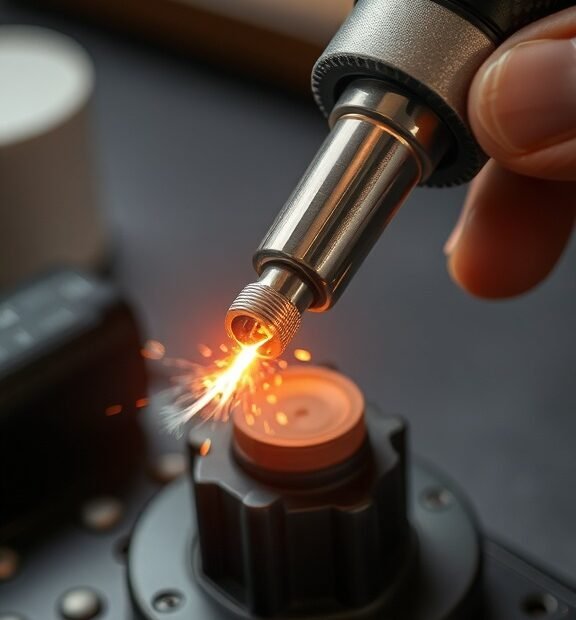
Effective Methods for Cleaning a Soldering Iron with Flux
Cleaning your soldering iron is essential for maintaining its performance and longevity. When using flux, it’s not uncommon for residue to build up, making it crucial to follow effective cleaning methods. Not only will this help you achieve better soldering results, but it also ensures you don’t damage your other electronic components. Here, we’ll explore effective methods for cleaning a soldering iron that have been proven to keep your tool in great shape.
Understanding Flux Residue
Before diving into the cleaning methods, let’s quickly discuss what flux residue is. Flux is used during soldering to prevent oxidation and improve the flow of solder. However, once your soldering project is complete, leftover flux can harden, becoming a sticky and gooey mess on your soldering iron tip. Over time, this residue can hinder heat transfer and cause faulty connections.
Gather Your Cleaning Supplies
To effectively clean your soldering iron, gather the following supplies:
- Wet sponge or brass sponge
- Soldering iron cleaner (if necessary)
- Alcohol wipes or isopropyl alcohol
- Soft cloths or paper towels
- Wire brush (for stubborn residue)
Step-by-Step Cleaning Process
Now that you’re equipped with the necessary tools, follow these steps to clean your soldering iron efficiently:
1. Turn Off and Unplug Your Soldering Iron
Always start by turning off and unplugging your soldering iron. Safety first! This will help prevent accidental burns while you clean.
2. Wipe with a Wet Sponge
Using a wet sponge, carefully wipe the soldering iron tip. The moisture will help soften and dislodge any flux residue. Make sure the sponge is damp but not dripping with water, as excess liquid could cause damage.
3. Use a Brass Sponge
If the wet sponge doesn’t remove all the residue, try a brass sponge. Brass sponges are effective because they are abrasive enough to scrub off the hardened flux without damaging the soldering iron tip.
4. Apply Isopropyl Alcohol
After using the sponge, use an alcohol wipe or a cloth soaked in isopropyl alcohol. This will help clean off any remaining residue and provide an additional layer of cleanliness. Remember to let the iron cool slightly before applying any wipes to avoid burns.
5. Remove Stubborn Residue
If there is still some stubborn residue stuck on the tip, use a wire brush. Be gentle to avoid scratching the tip. A light brushing should do the trick without causing any significant wear.
6. Final Wipe
After cleaning, make sure to do a final wipedown with a clean cloth or paper towel. This assures that no cleaning agents remain on the tip, which could affect your next soldering project.
Preventive Care
To keep your soldering iron clean for a longer period, consider these preventive measures:
- Always clean the tip after each use to prevent buildup.
- Store your soldering iron in a holder that keeps the tip protected.
- Use the appropriate type of flux for your soldering needs, as some types are easier to clean than others.
Safely Maintain Your Soldering Iron
Regular maintenance of your soldering iron will not only boost its efficiency but also extend its lifespan. A clean soldering iron provides better heat conductivity, allowing you to complete your projects with precision.
Cleaning a soldering iron with flux involves simple yet effective steps: wipe with a sponge, use a brass sponge if needed, then apply isopropyl alcohol for a spotless finish. Combine these methods with preventive practices, and you’ll keep your soldering iron in excellent condition, ensuring optimal performance for every soldering project.
The Importance of Regular Soldering Iron Maintenance for Optimal Performance
For anyone who uses a soldering iron, understanding how to care for this essential tool can greatly enhance both its performance and longevity. Regular maintenance of your soldering iron is crucial, especially if you want it to provide reliable results. When you take the time to clean and maintain your equipment, you can avoid common issues such as uneven heat distribution, poor solder joints, and even potential damage to your projects.
One of the most important aspects of soldering iron maintenance is keeping the tip clean. Residue from flux, burnt solder, and oxides can accumulate over time and impact the efficiency of the tool. A dirty tip can lead to malfunctioning soldering, which can not only ruin your projects but also create frustrations during your work. To ensure you are getting the best performance, it’s necessary to learn effective cleaning methods.
Here’s a straightforward method to clean your soldering iron:
- Unplug the Iron: Always make sure your soldering iron is unplugged and cooled before you attempt to clean it.
- Wipe the Tip: Use a damp sponge or a brass wool cleaner specifically designed for soldering irons. Gently wipe the tip to remove any buildup. Make sure not to apply too much pressure, as this can damage the tip.
- Apply Flux: Using flux can be beneficial. Flux not only helps in soldering but also makes cleaning easier. Apply a small amount to the tip while the iron is still warm (not hot) to help dissolve any stubborn residue.
- Re-tin the Tip: After cleaning, always tin the tip with fresh solder. This helps protect it from oxidation and keeps it functioning at its best.
- Regularly Replace Tips: Even with diligent care, soldering iron tips will wear down over time. It’s important to regularly replace the tips to maintain optimal performance.
Why should you dedicate time to this maintenance routine? The answer lies in the benefits that come with a properly maintained soldering iron.
- Enhanced Heat Transfer: A clean tip allows better heat conduction. This means quicker and more efficient soldering.
- Improved Solder Joints: Clean tips help create stronger and cleaner solder joints, ensuring your connections are reliable.
- Extended Tool Life: Regular maintenance can significantly prolong the life of your soldering iron, saving you money in the long run.
- Better Work Experience: Avoiding excess build-up of flux and solder on the tip leads to a smoother and more enjoyable soldering experience.
Another vital maintenance practice is checking the electrical connections regularly. Ensure that the cord is not frayed and that the connections to the Heating Element are secure. A faulty connection can lead to inconsistent heating, which is an issue you definitely want to avoid. If you notice any issues, it would be wise to consult the manufacturer or a professional to resolve the problem.
Moreover, storing your soldering iron properly is essential. After your cleaning routine, use a stand to keep the iron upright. Avoid leaving it laying down as this can lead to tip damage. It’s also important to store the soldering iron in a dry place to avoid moisture that can cause rusting.
When you work with various types of solder and flux, take note of how these materials affect your soldering iron. Some fluxes are more corrosive than others and may require more frequent cleaning. Understanding the materials you use will help you tailor your maintenance routine to ensure your iron stays in peak condition.
Regular maintenance of your soldering iron, including proper cleaning and checks on electrical safety, will immensely benefit your soldering tasks. By following a few easy steps, you can maintain optimal performance, achieve professional quality solder joints, and prolong the life of your tool. Remember, a little maintenance can go a long way in your soldering projects.
Conclusion
Maintaining a clean soldering iron is essential for achieving the best results in your soldering projects. Utilizing effective methods for cleaning your soldering iron with flux can significantly enhance its performance and longevity. Regularly applying these cleaning techniques not only helps remove accumulated solder and oxidation but also ensures that your soldering tasks run smoothly.
When you routinely clean your soldering iron, you’re investing in its efficiency. A well-maintained soldering tool offers better heat conduction, which is crucial for forming strong solder joints. This leads to neater, more reliable connections, reducing the likelihood of repair needs down the line.
Furthermore, keeping your soldering iron in good condition can save you time and frustration. It allows you to focus on your projects rather than dealing with the hassles of an ineffective tool. By adopting a cleaning routine that includes the use of flux, you’re not just prolonging the life of your soldering iron—you’re also ensuring a better outcome for every project you undertake.
The takeaway is clear: prioritize regular maintenance and cleaning of your soldering iron. Implement the methods discussed, and you’ll notice a marked improvement in your soldering experience. A clean tool means clear results, reinforcing the idea that taking care of your equipment ultimately contributes to your success in all your electronics endeavors.