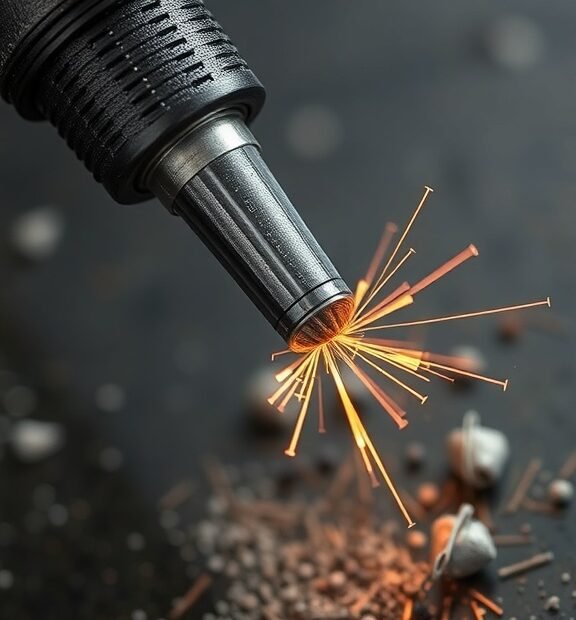
Effective Techniques for Cleaning Soldering Iron Tips
Keeping your soldering iron tip clean is essential for effective soldering. A clean tip ensures good heat transfer, reduces oxidation, and enhances the quality of your solder joints. Here are some effective techniques to clean your soldering iron tips efficiently and safely.
Utilizing a Wet Sponge
One of the simplest ways to clean your soldering iron tip is to use a wet sponge. Follow these steps:
- Wet a clean sponge with water.
- Turn on your soldering iron and allow it to heat up.
- Gently wipe the hot iron tip on the wet sponge. This will remove any burnt solder or oxidation.
- Remember to keep the sponge damp, but not dripping wet to avoid thermal shock to your soldering iron.
Using a wet sponge helps to maintain the tip, ensuring it performs effectively during soldering tasks.
Soldering Iron Kits & Accessories
Brass Wool Cleaning
If you find that a wet sponge isn’t enough, brass wool is a great alternative. This method is particularly effective for heavy debris. To clean your soldering iron tip with brass wool:
- Allow the soldering iron to heat up.
- Take a piece of brass wool and gently scrub the tip to eliminate any build-up.
- Brass wool is effective because it does not introduce moisture, thus preventing oxidation.
- After cleaning, you might want to re-tin the tip to ensure good conductivity.
This method is popular among electronics enthusiasts for its efficiency and effectiveness.
Soldering Iron Kits & Accessories
Tip Tinning
Tip tinning is a preventive measure that can help maintain your soldering iron tip in optimal condition. Here’s how to properly tin your soldering iron tip:
- Make sure your iron is hot.
- Apply a small amount of solder to the tip; this will create a protective layer.
- Wipe the tip on your wet sponge or brass wool while it’s still hot.
Tip tinning not only helps in cleaning but also provides better heat transfer and reduces oxidation. You should re-tin your tip regularly to keep it in top shape.
Soldering Iron Kits & Accessories
Using Desoldering Braid
Desoldering braid, often used to remove excess solder, can also aid in cleaning. Here’s how to use it:
- Heat up your soldering iron.
- Place a piece of desoldering braid on the tip and press it down for a moment.
- The braid will absorb excess solder and impurity, cleaning the tip in the process.
This method is useful for removing stubborn residues and is a great addition to your soldering toolkit.
Soldering Iron Kits & Accessories
Commercial Tip Cleaners
For those looking for a professional solution, consider using commercial soldering iron tip cleaners. These often come in the form of pastes or compounds specifically designed for cleaning. Here’s a quick guide:
- Apply the cleaner as per the manufacturer’s instructions.
- Use a cloth or a sponge to wipe the tip after application.
- Make sure to evaluate the performance and follow up with regular maintenance cleaning.
These products can be highly effective if you’re frequently using your soldering iron in demanding applications.
Soldering Iron Kits & Accessories
Regular Maintenance Practices
Maintaining your soldering iron tip requires regular attention. Here are a few tips to keep in mind:
- Always turn off your soldering iron when finished to avoid unnecessary oxidation.
- Store your soldering iron in a safe location, preferably on a holder designed to keep it from touching other surfaces.
- Perform regular cleaning after each use to prevent build-up over time.
By following these techniques and practices, you can greatly extend the life of your soldering iron tip and improve your soldering results. A well-maintained tip not only enhances your work quality but also saves you time and effort in the long run.
Common Soldering Mistakes and How to Avoid Them
Soldering is an essential skill in electronics, but it’s easy to make mistakes if you’re not careful. By knowing the common pitfalls, you can avoid them and become a proficient solderer. Here are some of the most frequent soldering mistakes and tips on how to steer clear of them.
Soldering Iron Kits & Accessories
Poor Solder Joint Quality
One common error is creating weak or poor solder joints. These joints can lead to unreliable connections, which can be frustrating and time-consuming to fix. Here’s how to ensure quality:
- Use the right amount of solder: Applying too much solder can create bridges between connections, while too little can result in a weak joint. Aim for a clean, shiny connection.
- Heat properly: Ensure that the components and the circuit board heat thoroughly before adding solder. This helps in forming a strong bond.
- Ensure solder wire is of good quality: Cheap solder can lead to weaker joints. Using rosin core solder can improve flow and adhesion.
Not Cleaning the Tip of the Soldering Iron
A dirty soldering iron tip can negatively affect your work. Residue or oxidation on the tip hinders heat transfer and can result in poor soldering results. To maintain your iron:
Soldering Iron Kits & Accessories
- Wipe the tip frequently: Use a damp sponge or brass cleaning pad to wipe off any excess solder or flux.
- Use a tip cleaner: For heavy oxidation, you may need a specialized tip cleaner to restore your iron’s effectiveness.
- Always tin the tip: After cleaning, apply a small amount of solder to the tip. This helps improve heat transfer and reduces oxidation.
Insufficient Heat Application
Applying insufficient heat is a frequent mistake. If the soldering iron isn’t hot enough, solder won’t melt properly, leading to bad connections. Here’s how to ensure adequate heat:
- Preheat the solder joint: Make sure to touch the soldering iron to both the pad and the component for a sufficient amount of time.
- Adjust the temperature settings: If your soldering iron has adjustable temperature, make sure to set it according to the solder you’re using (around 350°C is a good starting point).
- Check your equipment: Make sure your soldering iron is functioning properly and the heating element is not burned out.
Ignoring Safety Precautions
Soldering involves working with hot tools and potentially harmful chemicals. Ignoring safety can lead to injuries or health risks. Here’s how to stay safe:
Soldering Iron Kits & Accessories
- Work in a well-ventilated area: Fumes generated from solder can be harmful. Ensure good airflow or use a fume extractor.
- Use protective gear: Wear safety glasses to protect your eyes and gloves to safeguard your hands from hot tools.
- Keep your workspace tidy: A cluttered space can lead to accidents. Organize tools and materials before you start soldering.
Forgetting to Test Connections
A critical mistake many novice solderers make is not testing their connections before finalizing the assembly. Ignoring this step can lead to frustrating troubleshooting down the line. To avoid this:
- Use a multimeter: Check continuity on your soldered joints to ensure connections are secure.
- Test before final assembly: Before sealing your project, verify that all connections work as intended.
- Look for visual signs: Check for cold solder joints, which appear dull or grainy instead of shiny and smooth.
By being aware of these common mistakes and implementing these strategies, you can significantly improve your soldering skills. Practice makes perfect, so keep at it, and don’t hesitate to troubleshoot and learn from each experience. Happy soldering!
Conclusion
Maintaining a clean soldering iron tip is essential for effective soldering. The right techniques not only prolong the life of your tool but also enhance the quality of your work. By using methods such as wet sponges, brass sponges, or specialized cleaners, you can prevent oxidation and ensure optimal heat transfer. Regular cleaning during your soldering tasks keeps your tip in peak condition and promotes better solder joints.
Soldering Iron Kits & Accessories
Equally important is recognizing and avoiding common soldering mistakes. These include overheating the tip, improper solder application, or neglecting to clean the iron between uses. Understanding these pitfalls enables you to adjust your approach, resulting in cleaner, more reliable solder joints. Remember, a well-maintained soldering iron not only improves your project outcomes but also protects your investment in tools.
Combining effective cleaning techniques with an awareness of frequent mistakes can lead you to become a more skilled and efficient solderer. Taking the time to clean your soldering iron tips correctly and recognizing areas for improvement will vastly enhance your experience. Whether you’re a hobbyist or a professional, these practices will make your soldering tasks smoother and more successful. By putting these insights into action, you’ll not only produce high-quality solder connections but also develop a greater satisfaction in your craftsmanship.