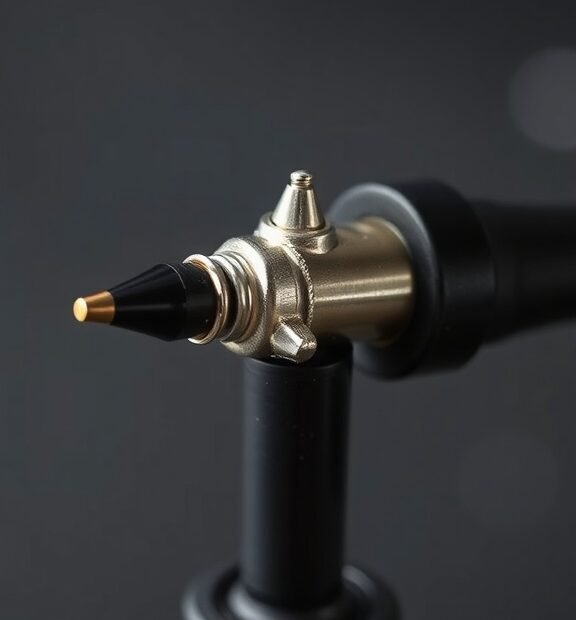
Effective Techniques for Cleaning a Black Soldering Iron Tip
Maintaining a clean soldering iron tip is essential for effective soldering. A black soldering iron tip can lead to poor connections and uneven heating. Fortunately, there are effective techniques to clean it properly, ensuring optimal performance and longevity of your tool.
Understanding the Blackening of Soldering Iron Tips
Before diving into cleaning methods, it helps to understand how soldering iron tips become blackened. Oxidation occurs during heating and soldering due to high temperatures and contact with various metals. As a result, the tip gets coated with oxidized material, which can be challenging to remove if left unaddressed.
Essential Cleaning Techniques
Here are some effective techniques you can use to clean a black soldering iron tip:
- Wet Sponge Method: This is one of the simplest yet effective ways to clean your soldering iron tip. Use a damp (but not dripping) sponge or cloth to gently wipe the tip while it is hot. Make sure to do this while soldering to keep the tip clean continuously.
- Brass Wool: For more stubborn residues, using brass wool is a great option. Gently rub the blackened tip on the brass wool surface. This method avoids the risk of destroying the tip while effectively removing oxidation.
- Tip Tinner: This is a special compound made for cleaning and repairing soldering iron tips. To use, heat the soldering iron and then dip the tip into the tinner. The compound melts and helps remove the oxidation while re-tinning the tip.
- Flux Pen: Applying a flux pen can also help clean the tip. Simply apply the flux to the hot tip, and wipe it with a cloth. This method not only cleans but also prepares the tip for better soldering.
- Safe Chemical Cleaners: If other methods fail, you can opt for soldering iron tip cleaners available in the market. These chemical cleaners are designed specifically for this purpose and can effectively remove grime without damaging the tip.
Regular Maintenance
To ensure your soldering iron tip stays clean and in good condition, regular maintenance is crucial. Here’s how you can keep your soldering iron tip looking and performing its best:
- Clean After Every Use: Make it a habit to clean your soldering iron tip after each session. This prevents oxidation build-up and keeps the tip ready for the next project.
- Retin the Tip: Every once in a while, re-tin the tip with fresh solder. This process protects the tip from oxidation by creating a barrier between the metal and air.
- Use Proper Temperature: Avoid overheating your soldering iron. Too much heat can accelerate oxidation. Adjust the temperature according to the type of solder you are using.
- Store Properly: When not in use, clean the tip and store the soldering iron in a dry place. If possible, use a protective cover or stand to prevent damage.
When to Replace Your Soldering Iron Tip
Even with proper care, soldering iron tips do wear out over time. If cleaning no longer improves the performance of your soldering iron tip, you may need to consider replacing it. Signs it’s time for a replacement include:
- Persistent blackening despite cleaning efforts.
- Loss of responsiveness and ability to hold solder.
- Physical damage or excessive pitting on the tip.
By using these techniques, you can keep your black soldering iron tip clean and effective. Regular maintenance not only enhances performance but also prolongs the life of your tool. Remember, a clean soldering iron tip leads to better results in your projects and a more positive soldering experience.
Common Mistakes to Avoid When Maintaining Soldering Tools
Maintaining your soldering tools is essential for achieving great results in your projects. However, many people often make mistakes that can negatively impact their tools’ performance and lifespan. Here are some common pitfalls you should steer clear of.
Using the Wrong Cleaning Methods
One of the most frequent errors when maintaining soldering tools is using inappropriate cleaning methods. Some people may use abrasive materials or harsh chemicals to clean the soldering iron tip, which can damage the coating and lead to poor performance. Instead, opt for safer alternatives:
- Soldering Iron Tip Cleaner: Use a sponge or brass wool, designed specifically for cleaning tips.
- Alcohol Wipes: Isopropyl alcohol can effectively remove residue without causing harm.
Neglecting to Tin the Tip
Tinning the soldering iron tip is crucial for effective soldering. It involves coating the tip with a thin layer of solder to create a smooth surface. Failing to do this can lead to oxidation, making soldering inefficient. To tin your iron:
- Heat the iron until it reaches the appropriate soldering temperature.
- Touch solder to the tip until it melts and coats the surface.
Improper Storage
How you store your soldering tools can significantly affect their longevity. Placing your tools in humid environments can lead to rust and corrosion. Always store your soldering iron in a dry place and consider using a stand or holder when it’s not in use. This helps maintain the tip’s integrity and prevents accidental damage.
Ignoring Temperature Regulation
Another mistake is not paying attention to temperature settings on your soldering station. Soldering at excessively high temperatures can not only damage components but also degrade the soldering tip. Aim for:
- Low Heat: Use lower temperatures for sensitive electronic components.
- Optimal Heat: Adjust your soldering iron to a temperature of around 350°C (662°F) for general tasks.
Failing to Replace Worn Tips
Soldering iron tips do wear out over time, and using a worn tip can lead to poor solder joints and less effective heat transfer. Pay attention to signs of wear, such as discoloration or rough surfaces. If you notice these signs, it’s time for a replacement. A new tip can make a significant difference in not just the quality of your work but in the ease of your soldering tasks.
Not Using the Right Type of Solder
Using the wrong type of solder can also harm your tools. For example, if you use solder that is not compatible with your soldering iron, it may leave residue that is challenging to clean. Always choose solder that matches the application you’re working on, whether it’s lead-based or lead-free.
Overworking the Soldering Iron
One of the most overlooked mistakes is continuously using your soldering iron without giving it breaks. Overworking the iron can lead to overheating, which reduces its lifespan. Make it a habit to allow your iron to cool down for a few minutes after extended use. This small action can prevent damage and help maintain its effectiveness.
Not Following the Manufacturer’s Instructions
Every soldering tool comes with a specific set of guidelines provided by the manufacturer. Ignoring these instructions can set you up for failure. Always read the documentation, even if you are an experienced user. Manufacturers may have specific recommendations regarding proper maintenance, which can enhance the performance and longevity of your tools.
By avoiding these common mistakes, you can ensure that your soldering tools remain in peak condition. Regular maintenance not only improves your soldering experience but also saves you money in the long run by extending the life of your tools. Get into the habit of performing these routines, and you’ll be well on your way to mastering the art of soldering.
Conclusion
Maintaining a black soldering iron tip is crucial for achieving quality work and ensuring the lifespan of your soldering tools. By implementing effective cleaning techniques, such as using a damp sponge or brass sponge, you can keep your iron tip in optimal condition. Regular cleaning not only enhances performance but also prevents oxidation that can lead to difficult soldering jobs. Remember, a clean tip means better heat transfer and more precise soldering, which will yield cleaner joints and enhance your overall projects.
While cleaning, it’s equally important to avoid common mistakes that many users make. For instance, using abrasive materials can damage the tip, and neglecting to clean your iron regularly can invite larger problems down the line. Dipping the hot soldering iron directly into corrosive substances or failing to tin the tip before storing it can also lead to disaster.
By understanding these important aspects, you empower yourself to take better care of your soldering iron. This will not only save you time and money in tool replacement but also improve the quality of your work. Regular maintenance will ensure that you’re always ready for your next soldering task, enabling you to work more efficiently and effectively. Ultimately, remember that the care you provide to your tools reflects the quality of your craftsmanship. Prioritize taking the right steps for maintaining your soldering iron tip, and you’ll reap the benefits in every project you undertake.