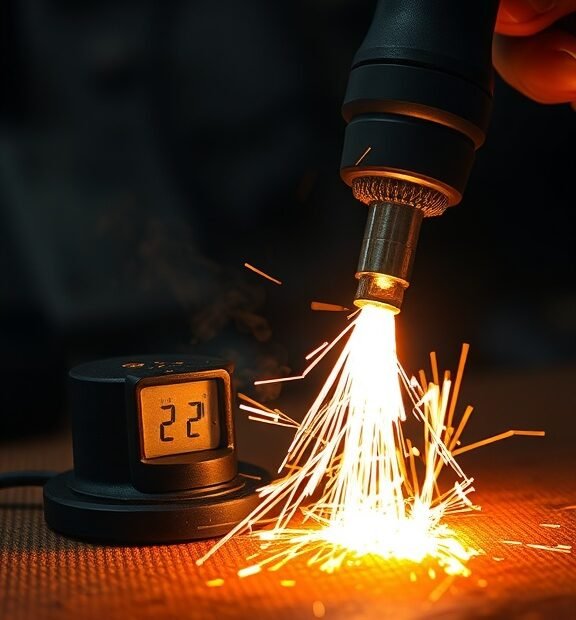
Methods to Accurately Check Soldering Iron Temperature
Understanding how to check the temperature of your soldering iron is essential for achieving high-quality solder joints. Using the right temperature is crucial, as it helps prevent damage to electronic components and ensures a solid connection. Here, we will explore various accurate methods to check soldering iron temperature, so you can keep your work efficient and reliable.
Digital Multimeter
A digital multimeter (DMM) is an excellent tool to measure soldering iron temperature accurately. Most multimeters can read temperature by using a thermocouple. Here’s how to use it:
- Attach the Thermocouple: Connect the thermocouple to the multimeter. Make sure it’s set to the temperature measurement mode.
- Heat the Soldering Iron: Turn on the soldering iron and let it heat up to your desired temperature setting.
- Place the Thermocouple Tip: Carefully touch the thermocouple tip to the tip of the soldering iron while avoiding any plastic parts.
- Read the Measurement: Observe the temperature reading on the multimeter display, which will indicate your soldering iron’s current temperature.
Infrared Thermometer
Infrared thermometers offer a quick and non-contact way to measure temperature. Here’s a step-by-step guide to using this method:
Soldering Iron Kits & Accessories
- Power on the Infrared Thermometer: Make sure the device is set to the correct units (Celsius or Fahrenheit).
- Aim at the Soldering Iron: Point the infrared thermometer at the tip of the soldering iron from a short distance.
- Pull the Trigger: Activate the thermometer to get the temperature reading instantly. This method is beneficial because it minimizes the risk of burns.
Thermal Probe
A thermal probe can be particularly useful for checking the temperature of a soldering iron. Follow these steps:
- Insert the Probe: Gently insert the thermal probe into the soldering iron tip if it allows for this measurement.
- Switch On the Soldering Iron: Allow the soldering iron to reach the operating temperature.
- Check the Display: Monitor the temperature reading on the device connected to the thermal probe.
Soldering Iron with Built-in Temperature Control
Some soldering irons come equipped with built-in temperature control systems. They often display the current temperature on a digital screen. To use this feature:
Soldering Iron Kits & Accessories
- Power On the Device: Turn on the soldering iron and check the temperature setting.
- Adjust As Needed: Set the desired temperature and monitor the display as it heats up.
Using Solder
Another practical method involves the behavior of the solder itself. Different types of solder melt at specific temperatures. Here’s how to use this method:
- Identify Solder Type: Know the melting point of the solder you’re using (typically around 183°C for lead-based solder).
- Monitor Melting: Touch the solder to the tip of the soldering iron. If the solder melts quickly, the temperature is adequate. If it takes time, the iron may not be hot enough. If it smokes or burns, it’s too hot.
Regular Maintenance Checks
Regular maintenance of your soldering iron can prevent temperature discrepancies. Cleaning the tip ensures proper heat transfer, which is vital for accurate temperature readings. Here are some tips for maintenance:
Soldering Iron Kits & Accessories
- Use a damp sponge to clean the iron tip while hot.
- Apply a small amount of solder to the tip before and after use for better maintenance.
- Inspect the tip for corrosion regularly and replace it if needed.
By using these methods to check your soldering iron’s temperature accurately, you can achieve better soldering results and improve your overall effectiveness. Proper temperature control not only enhances soldering quality but also prolongs the life of both your solder and tools. With practice and the right tools, checking soldering iron temperature becomes a quick and easy task.
The Importance of Soldering Iron Temperature in Electronics Projects
Soldering is a fundamental skill in the world of electronics, vital for assembling circuits and connecting components. Among the various elements that affect the quality of a solder joint, the temperature of your soldering iron stands out as crucial. Understanding how to maintain and check the soldering iron temperature can greatly improve your results and help you avoid common issues.
Why Temperature Matters
The temperature at which you solder directly impacts the performance of your electronic projects. If the soldering iron is too hot, it can damage sensitive components or create cold joints that may lead to connectivity issues. On the other hand, a soldering iron that’s too cool can result in poor solder flow, causing weak joints that lack stability. Here’s why finding the right temperature is essential:
Soldering Iron Kits & Accessories
- Component Safety: Many electronic components are sensitive to heat. Maintaining the right temperature helps prevent damage.
- Solder Quality: Proper temperatures ensure that the solder melts correctly, forming strong, reliable joints.
- Efficiency: Working at the right temperature allows you to complete tasks more quickly while maintaining quality.
How to Check Soldering Iron Temperature
Knowing how to check the soldering iron temperature is key to achieving excellent results in your electronics projects. There are several methods available for checking the temperature, each with its own advantages:
1. Use a Digital Thermometer
A digital thermometer is one of the most accurate ways to measure the temperature of your soldering iron. To use one:
Soldering Iron Kits & Accessories
- Turn on the soldering iron and let it heat up for a few minutes.
- Place the tip of the soldering iron against the sensor of the thermometer.
- Read the temperature displayed on the thermometer.
This method gives you a direct reading and is suitable for precise temperature control.
2. Soldering Iron Tip Temperature Test
Another practical method involves using solder itself. After your soldering iron has heated adequately, melt a small piece of solder onto the tip. Observe the flow:
Soldering Iron Kits & Accessories
- If the solder flows easily and forms a smooth bead, the temperature is likely just right.
- If the solder does not melt quickly or beads up, the iron may be too cool.
- If the solder burns or creates a rough bead, the iron is too hot.
This method gives you insight into your iron’s performance and helps gauge the temperature indirectly.
3. Use a Thermal Camera
If you have access to a thermal camera, this can be an excellent tool for checking soldering iron temperature. Simply point the camera at the soldering iron tip, and you’ll receive an immediate visual representation of its temperature. This technique is especially useful for identifying hot spots or uneven heating across the tip surface.
Soldering Iron Kits & Accessories
Setting the Right Temperature
After checking your soldering iron temperature, you may find it necessary to adjust it. Here are some general guidelines for setting the right temperature:
- Typical soldering temperatures range from 300°C to 350°C (572°F to 662°F) for most electronics work.
- For sensitive components, such as ICs or transistors, a lower temperature of around 250°C (482°F) is often recommended.
- Lead-free solder may require slightly higher temperatures compared to traditional leaded solder due to its different melting properties.
Maintaining Your Soldering Iron
To ensure your soldering iron remains effective, regular maintenance is essential. Here are a few tips to keep in mind:
Soldering Iron Kits & Accessories
- Always clean the soldering tip regularly with a damp sponge or brass wool to prevent oxidation.
- Use solder with a flux core to help prevent defects in your solder joints.
- Store your soldering iron properly when not in use to protect the tip from damage.
By actively checking and adjusting your soldering iron temperature, you can significantly improve your soldering skills and the quality of your electronics projects.
Conclusion
Understanding how to check soldering iron temperature is essential for anyone involved in electronics projects. Accurate measurements ensure that you achieve the desired join quality without damaging components or circuit boards. Whether you use a thermocouple, temperature gauge, or simply rely on visual indicators, knowing the right method for testing can significantly influence the success of your work.
The importance of maintaining the correct soldering iron temperature cannot be overstated. Too high a temperature can burn out delicate components, while too low a temperature might result in poor solder joints that lead to unreliable connections. Every aspect of your soldering project relies on getting this right. The right temperature not only fosters strong electrical connections but also supports the longevity and reliability of your soldered joints.
Soldering Iron Kits & Accessories
By integrating proper temperature-checking methods into your soldering routine, you increase your chances of completing successful projects with improved efficiency. This knows-how helps you avoid common pitfalls while enhancing the overall quality of your work. As you gain more experience, remember that the right tools and techniques for checking your soldering iron’s temperature can make all the difference in achieving professional results. With this knowledge at your fingertips, you’ll be more equipped to tackle any electronics project—without the fear of damaging sensitive components or compromising your results.