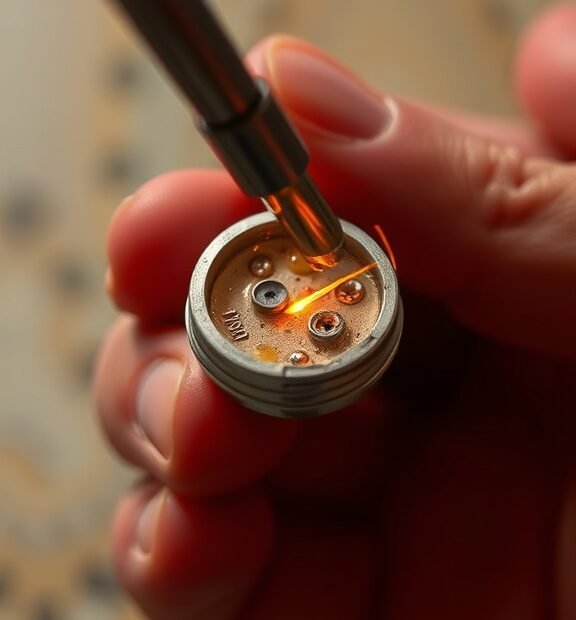
Step-by-Step Guide on How to Change a Soldering Iron Tip
Changing the tip of your soldering iron is a task that can greatly enhance your soldering experience. A fresh tip provides better heat transfer and cleaner connections, leading to more successful projects. Follow this step-by-step guide to learn how to change a soldering iron tip effectively and safely.
Gather Your Tools
Before you begin, make sure you have everything you need:
- Soldering iron
- Replacement soldering iron tip
- Soldering iron stand or holder
- Wire cutters or pliers (optional)
- Protective gloves (optional)
- Work surface
Ensure Your Safety
Your safety is paramount when working with soldering tools. Before you start, take a few precautions:
- Wear protective gloves to avoid burns.
- Work in a well-ventilated area to minimize exposure to fumes.
- Keep flammable materials away from your workspace.
Power Down Your Soldering Iron
Before changing the tip, it’s crucial to turn off and unplug your soldering iron. Let it cool down for a few minutes to prevent any accidental burns. Always remember that the tip retains heat even after the unit is powered off, so handle it carefully.
Remove the Old Tip
Once the soldering iron has cooled down sufficiently, it’s time to remove the old tip. Follow these steps:
- Using your fingers or a pair of pliers, gently grasp the old tip. If it is stuck, twist it slightly while pulling.
- Pull the tip straight out from the soldering iron barrel. Be careful not to apply too much force, as this could damage the heating element.
- Inspect the old tip. If it shows signs of wear, such as cracking or heavy oxidation, it’s a good idea to replace it.
Prepare for Installation
Before installing the new tip, ensure the soldering iron is clean. Wipe the barrel with a damp cloth to remove any debris or solder residue. A clean workspace will ensure the best performance from your new tip.
Install the New Tip
Now, you can install the new soldering iron tip:
- Align the new tip with the barrel of the soldering iron.
- Push the tip directly into the barrel until it is firmly seated. Make sure there are no gaps, as this can affect the heating performance.
- If you’re installing a tip with a set screw, tighten the screw carefully using the appropriate tool. Ensure it’s snug but not overly tight, which may damage the thread.
Test the Setup
To confirm that the new tip is properly installed, plug in your soldering iron and turn it on. Allow it to preheat for a few minutes.
- Once heated, apply a small amount of solder to the tip. If it melts and adheres well, your installation was successful.
- If you notice any poor solder flow or difficulty in heat transfer, double-check the installation. The tip should be securely attached with no gaps.
Maintain Your Soldering Iron Tip
To prolong the life of your new soldering iron tip, maintain it properly:
- Always clean the tip after each use. Use a damp sponge to remove excess solder or oxidation.
- Tin the tip with fresh solder before storing your soldering iron. This helps prevent oxidation.
- Avoid using excessive heat for prolonged periods, as this can wear out the tip faster.
By following these steps, you can successfully change a soldering iron tip and keep your soldering projects running smoothly. Whether you are a beginner or an experienced hobbyist, maintaining your tools is key to achieving the best results in your work.
Common Mistakes to Avoid When Changing Soldering Iron Tips
Changing the tip of your soldering iron can seem like a simple task, but many common mistakes can lead to poor performance or even damage to your tools. Knowing what to avoid can help you achieve better results and extend the life of your soldering iron. Here are some pitfalls to watch for when changing soldering iron tips.
Using the Wrong Tip Type
One of the most frequent mistakes is using the incorrect tip for your specific soldering iron. Each soldering iron is designed to work with certain types of tips that vary in shape, size, and temperature rating. Before making the switch, check the specifications of your soldering iron to ensure compatibility. Using an incompatible tip can affect heat transfer and lead to poor soldering results.
Not Cleaning the Soldering Iron Properly
Another common error is neglecting to clean the soldering iron before changing the tip. Residue from previous use can get in the way and make it difficult to install the new tip seamlessly. Always ensure both the iron and the old tip are clean before beginning the replacement. A brass wool cleaner or a damp sponge can help eliminate any build-up, ensuring a smoother transition to the new tip.
Failing to Heat the Iron Adequately
When changing soldering iron tips, insufficient heating can lead to difficulties swapping out the old tip. A cold soldering iron can make it hard to remove the existing tip, potentially causing damage to the iron itself. Always preheat the soldering iron to the recommended temperature before attempting to change the tip. This way, the old tip will loosen up, making the change easier and safer.
Incorrectly Handling the New Tip
It’s crucial to handle the new tip correctly to avoid damage. Many users make the mistake of forcing the new tip onto the soldering iron. This can bend or break the tip or damage the soldering iron’s internal components. Instead, align the new tip gently and ensure it fits correctly according to the manufacturer’s instructions before securing it in place.
Overtightening the Tip
While it’s important to secure the tip properly, overtightening can be just as damaging. Many individuals mistakenly believe that cranking down on the tip will make it more secure. In reality, this can lead to warping or damages to both the tip and the soldering iron. Aim for a snug fit; the tip should stay in place without excessive force.
Ignoring Manufacturer Instructions
Each soldering iron and tip combination can have specific instruction sets provided by the manufacturer. Ignoring these guidelines is a common oversight that can lead to unsuccessful tip changes. Always read through the included instructions carefully before making adjustments, as they often highlight unique features that may help with the process.
Neglecting Regular Maintenance
After changing your soldering iron tip, regular maintenance is essential but often overlooked. Tip longevity can be negatively impacted by poor maintenance practices. After every use, ensure you clean the tip to remove any residual solder. This not only prolongs the life of the tip but also ensures it performs better for future soldering tasks.
Not Testing the New Tip
A common mistake is forgetting to test the new tip after installation. Before starting your soldering projects, it’s wise to check that the new tip is heating properly and functioning as expected. This can prevent surprises during your work and ensure a smooth soldering experience.
By avoiding these common mistakes, you can enhance your soldering experience and ensure that your soldering iron remains in excellent working condition. Paying attention to detail when changing soldering iron tips can greatly affect your projects’ outcomes and extend your tool’s lifespan. So next time you change your tip, remember these tips to avoid unnecessary frustrations and get the best performance from your soldering iron.
Conclusion
Changing a soldering iron tip is a simple yet crucial skill for anyone involved in electronics work or DIY projects. Following the step-by-step guide ensures that you approach the task methodically, reducing the risk of damage to your soldering iron. Remember to always let your soldering iron cool down before you attempt to change the tip, as this not only protects your hands but also prolongs the life of the iron itself.
Avoiding common mistakes can make your experience much smoother. For instance, ensuring the new tip is compatible with your soldering iron model prevents complications during use. Additionally, applying a small amount of solder to the new tip when installing it can assist in both the initial heat transfer and future soldering tasks.
Regular maintenance and timely changing of soldering tips will enhance your soldering performance and ensure you always achieve clean, reliable connections. By learning how to properly change soldering iron tips and steering clear of common errors, you will elevate your skills and effectiveness in your projects.
With practice and attention to these guidelines, you’ll find that managing your soldering iron efficiently contributes to cleaner, more professional results in every task. So gather your tools, adhere to the step-by-step process, and make changes confidently, knowing you’re equipped with the knowledge to maintain your soldering iron effectively. Happy soldering!