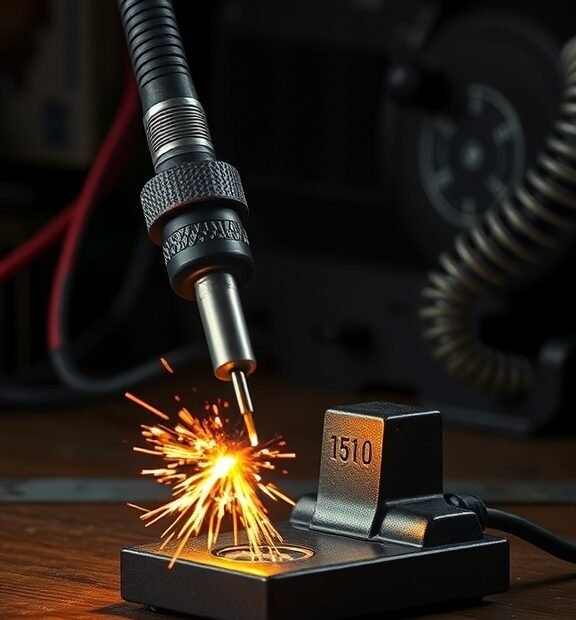
Essential Considerations When Learning How to Buy a Soldering Iron
When considering how to buy a soldering iron, it’s crucial to keep several factors in mind to ensure that you make the right choice for your needs. Soldering is an essential skill for electronics work, arts and crafts, and various DIY projects. To help you navigate through the options available, here are some essential considerations that will guide you in your purchase.
Understand Your Soldering Needs
The first step in buying a soldering iron is to identify what you’ll be using it for. Are you working on electronics, jewelry making, or home repairs? Different projects require different soldering tools. For example:
- Electronics: A soldering iron with a fine tip is often best for precise soldering tasks.
- Jewelry making: Look for soldering options that can handle various metals.
- DIY home projects: A versatile soldering iron with adjustable temperature settings may be needed.
Type of Soldering Iron
There are several types of soldering irons available, each catering to different needs:
Soldering Stations | Easy 60 Day Return
- Standard Soldering Iron: Usually a plug-in device that heats up for basic tasks.
- Soldering Station: Comes with a base unit, offering features like adjustable temperatures and better stability.
- Battery-Powered Iron: Perfect for working in places where plug sockets aren’t available.
Consider what type best suits your working environment and the nature of your projects.
Power Rating
The power rating, measured in watts, determines how quickly your soldering iron heats up and how efficiently it can maintain temperature. Here’s a simple guide:
Soldering Stations | Easy 60 Day Return
- 20-30 Watts: Good for light electronics work.
- 30-60 Watts: Suitable for general-purpose use.
- 60+ Watts: Ideal for heavier tasks, such as soldering larger components or circuit boards.
Choosing the right wattage ensures that you have an iron that meets your project requirements efficiently.
Temperature Control
Having the ability to control the temperature is another important aspect when learning how to buy a soldering iron. Too high a temperature can damage delicate components, while too low might not melt the solder effectively. Look for soldering irons that offer:
Soldering Stations | Easy 60 Day Return
- Fixed Temperature: A steady temperature that works well for general uses.
- Adjustable Temperature: Allows for flexibility, letting you set the heat according to specific project needs.
Tip Size and Shape
Soldering tips come in various sizes and shapes, which can greatly impact your soldering task. The right tip can help you achieve better precision and control. Some common types include:
- Fine Tip: Great for small components and delicate work.
- Chisel Tip: Useful for larger joints and heat transfer.
- Conical Tip: Ideal for detailed work in tight spaces.
Safety Features
Safety should be a priority when purchasing soldering equipment. Look for features like:
Soldering Stations | Easy 60 Day Return
- Heat-Resistant Handle: Prevents burns during use.
- Built-in Stand: Keeps the hot iron secure while you’re working.
- Automatic Shut-off: This feature can help prevent accidents by turning off the iron after a period of inactivity.
Budget Considerations
Establish a budget. Soldering irons can range from fairly inexpensive models to more professional-grade ones. Generally, expect to pay:
- Under $20: Basic models for beginners and infrequent users.
- $20-$50: Good quality irons perfect for hobbyists.
- $50+: Professional models with multiple features aimed at more serious projects.
By approaching your purchase with these considerations in mind, you’re more likely to find the perfect soldering iron for your needs. Remember, investing in the right tool can make a significant difference in your soldering experience.
Top Features to Look for in a Soldering Iron for Beginners
Choosing the right soldering iron can be a game-changer, particularly for beginners. With so many models available, knowing what features to look for is essential. Below are some key aspects that will help you make an informed decision when buying your first soldering iron.
Soldering Stations | Easy 60 Day Return
Wattage
The wattage of a soldering iron plays a significant role in its performance. For beginners, a soldering iron with a wattage between 30 to 60 watts is ideal. This range provides enough heat to solder without being overly powerful, which can lead to mistakes. A higher wattage can heat the soldering tip more quickly, making it more efficient for larger projects.
Temperature Control
Having precise temperature control is a vital feature to look for in a soldering iron. This allows you to adjust the heat according to the task at hand. For instance:
Soldering Stations | Easy 60 Day Return
- Lower temperatures (around 350°F) are suitable for delicate electronics.
- Higher temperatures (up to 900°F) may be necessary for heavy-duty tasks.
Many starter models come with adjustable temperature settings or even digital displays, making it easier for you to select the perfect heat.
Tip Variety
Soldering iron tips come in different shapes and sizes, which can affect the quality and precision of your work. As a beginner, select a soldering iron that comes with multiple interchangeable tips. Common options include:
Soldering Stations | Easy 60 Day Return
- Chisel Tips: Excellent for broad surfaces and heavy soldering.
- Fine Point Tips: Ideal for intricate electronic components.
- Conical Tips: Great for general-purpose soldering tasks.
A variety of tips allows you to tackle different projects effectively, making your soldering experiences more versatile and enjoyable.
Soldering Iron Design
The design of the soldering iron also impacts usability. A comfortable grip will allow you to work for extended periods without fatigue. Look for a model that has:
Soldering Stations | Easy 60 Day Return
- A lightweight body for easy handling.
- An ergonomic grip to reduce strain on your hand.
A well-designed soldering tool will make the learning process smoother, keeping you engaged as you build your skills.
Heating Element Type
Soldering irons typically use either a ceramic or a resistor heating element. Both have their benefits:
Soldering Stations | Easy 60 Day Return
- Ceramic Elements: These heat up quickly and provide consistent temperature control, which is great for beginners learning the ropes.
- Resistor Elements: While generally less expensive, they may take longer to heat up and can fluctuate in temperature.
Opting for a soldering iron with a ceramic heating element is usually a safer bet if you want reliable performance.
Safety Features
Safety should always be a priority when working with potentially hazardous tools. Look for soldering irons that come with the following safety features:
Soldering Stations | Easy 60 Day Return
- Auto Shut-off: This feature turns the iron off after a certain period of inactivity. It’s an essential safety measure that helps minimize fire hazards.
- Heat-Resistant Stand: A stand that can withstand high temperatures will prevent accidental burns or damage to surfaces.
Implementing these safety features ensures that you can focus on your work without worrying about unnecessary dangers.
Affordability
As a beginner, you may not want to invest too much money into your first soldering iron. Fortunately, many budget-friendly options provide excellent features without breaking the bank. Aim for a model that balances quality with affordability, as spending too little may sacrifice performance and longevity.
Soldering Stations | Easy 60 Day Return
When you’re on the quest to find the right soldering iron, consider the wattage, temperature control, tip variety, design, heating element type, safety features, and your budget. Evaluating these aspects will help you choose a soldering iron that matches your skills and needs, paving the way for successful soldering projects as you hone your craft.
Conclusion
Choosing the right soldering iron can significantly impact your projects, especially if you’re just starting your soldering journey. By understanding the essential considerations outlined earlier, you can make an informed decision that aligns with your needs. Your budget, the types of projects you’ll work on, and the necessary safety features should all guide your choice.
As a beginner, it’s crucial to look for key features in a soldering iron that will enhance your learning experience. A variable temperature control is invaluable, allowing you to adjust the heat for different tasks. A comfortable grip and lightweight design will enable you to work for longer periods without straining your hand. Also, consider the included accessories. A soldering iron that comes with a stand, cleaning sponge, and solder wire can save you money and time while ensuring you have everything you need upfront.
Soldering Stations | Easy 60 Day Return
Ultimately, investing in a reliable soldering iron not only improves the quality of your work but also boosts your confidence as you develop your skills. Whether you’re repairing electronics, creating art, or working on DIY projects, the right soldering iron will make the process enjoyable and efficient. Take your time to research and choose an iron that meets your needs, and soon, you’ll be on your way to mastering this essential skill. Remember, the right tools can make all the difference in your soldering journey. Happy soldering!