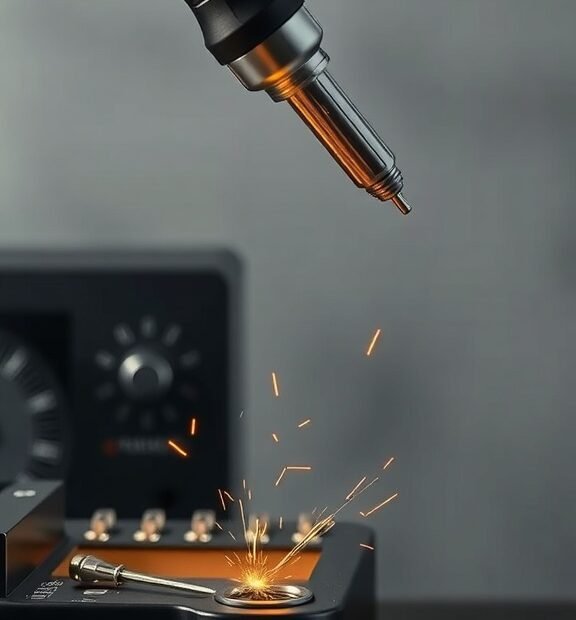
Determining the Appropriate Wattage for Your Soldering Iron
When you’re getting ready to tackle a soldering project, one important factor to consider is the wattage of your soldering iron. The wattage determines how hot the soldering iron can get and how quickly it can heat up. This knowledge helps ensure you choose the right tool for the job, making your soldering tasks easier and more effective.
So, how do you determine how many watts you need for your soldering iron? Let’s explore several key aspects to help you make an informed decision.
Understanding Wattage and Temperature
The wattage of a soldering iron impacts its heating capability. A higher wattage means faster heat-up times and better performance, especially with thicker materials. Different soldering tasks require different temperatures. Generally, here’s a quick reference for soldering iron wattage based on various projects:
- 15-30 Watts: Ideal for delicate components like circuit boards. The lower wattage allows for more control without damaging the components.
- 30-60 Watts: Suitable for everyday soldering tasks, including joining wires or electrical projects. This range provides a good balance between heat and control.
- 60-100 Watts: Perfect for heavier materials, such as metal and thick circuit boards. The additional power allows for more significant heat retention, making it easier to solder tougher joints.
Choosing the Right Wattage
To determine the appropriate wattage for your soldering iron, consider the following factors:
Type of Work
If you’re working on electronics, you likely need a soldering iron in the 15-30 watt range for small components. In contrast, if your project involves plumbing or automotive work, you’ll want something in the 60-100 watt range to tackle soldering tasks more effectively.
Material Thickness
The thicker the material you’re soldering, the more wattage you’ll need. A higher wattage soldering iron can maintain the necessary temperature to join thicker materials reliably. For example, soldering thick metal pieces requires at least 60 watts for effective heating.
Frequency of Use
If you’re a hobbyist soldering occasionally, a lower wattage iron will suffice. However, if you’re frequently working on projects, a higher watt soldering iron will enhance efficiency and reduce frustration, making it easier to finish your work without waiting during heating pauses.
Temperature Control Features
Some modern soldering irons come with adjustable wattage or temperature control settings. This feature allows you to set the iron to your desired wattage for specific tasks, making it versatile for various applications. Look for soldering irons that offer this flexibility, as they can adapt to your needs over time.
Quality Matters
While wattage is crucial, remember that the quality of the soldering iron is equally important. Investing in a well-constructed soldering iron can enhance performance, providing more consistent heat output and durability. Look for reputable brands that offer good customer reviews and warranty options to ensure you get a reliable tool.
Getting the Right Accessories
Don’t forget about accessories that can complement your soldering iron’s wattage. For example, the choice of solder can impact your overall results. Lead-free solder typically requires higher temperatures, so a soldering iron around 40 watts or higher is preferable. Additionally, using the correct soldering tip can improve heat transfer and effectiveness.
Testing Your Setup
Once you’ve selected your soldering iron, it’s crucial to test it on scrap materials before tackling your main project. This practice allows you to adjust your technique and assess whether the wattage is adequate. You will also gain confidence, ensuring the best results once you start working on actual components.
Understanding how many watts you need for your soldering iron can dramatically improve your soldering experience. By considering the type of work, material thickness, and your frequency of use, you can select the right soldering iron that fits your needs. Always remember, quality matters, and testing your iron before diving into any project ensures success. Happy soldering!
Factors Influencing Soldering Iron Performance and Efficiency
Soldering is a critical process in electronics, where the performance and efficiency of your soldering iron can significantly impact the quality of your work. Several factors play a vital role in determining how effectively and efficiently a soldering iron performs. Recognizing these elements will help you make better choices when selecting tools and approaches for your soldering tasks.
Power Rating
The power rating, typically measured in watts, is one of the most significant aspects of a soldering iron. Generally, soldering irons can range from 15 to 100 watts. Here’s how wattage affects soldering iron performance:
- Low Wattage (15-30 watts): Best for delicate work such as soldering surface-mounted components or small electronics.
- Medium Wattage (30-60 watts): Suitable for general-purpose soldering, including connections on circuit boards.
- High Wattage (60-100 watts): Ideal for heavier tasks, like soldering larger connectors or thicker wires.
If you’re frequently working with larger components or heavier materials, a higher wattage soldering iron will provide better performance and efficiency.
Temperature Control
The ability to control temperature is crucial for soldering performance. A soldering iron that maintains a steady temperature helps prevent overheating or underheating. Here are some considerations:
- Fixed Temperature: Some soldering irons have a fixed temperature setting, which can limit their applications. They are often more affordable but may not be suited for all projects.
- Adjustable Temperature: More advanced models allow you to set the desired temperature, providing flexibility for different soldering tasks.
- Temperature Range: Ensure the iron can reach the temperatures needed for the solder you are using, typically between 350°F to 400°F (180°C to 200°C) for standard electronics solder.
Tip Type and Size
The type and size of the soldering tip also heavily influence the tool’s efficiency. Different tips offer various functionalities:
- Fine Tips: Great for precision work, such as surface mount technology (SMT) and tight spaces.
- Chisel Tips: Ideal for spreading heat over larger surfaces and soldering heavier gauge wires.
- Bevel Tips: Useful for specific applications where angle access is required.
Choosing the right tip size and shape ensures better heat transfer and aids in a successful soldering process.
Soldering Method
Your soldering technique can directly affect the outcome of your work. Factors to consider include:
- Solder Application: How you apply solder can affect its flow and joining capabilities. An ideal method is to heat both the joint and solder simultaneously.
- Motion Control: A steady hand and consistent motion ensure an even distribution of solder, resulting in better electrical connections.
Maintenance and Care
Regular maintenance of your soldering iron contributes to its longevity and performance. Here are some tips:
- Clean Tips: Keeping the tip clean and free of oxidation ensures efficient heat transfer.
- Temperature Management: Turn off the soldering iron when not in use to prolong its life.
- Tip Replacement: Replace worn-out tips promptly to maintain optimal performance.
Solder Quality
The quality of the solder you use affects the overall efficiency of your soldering iron. Look for solder with a suitable alloy and a flux core, as this will enhance the flow and bonding capabilities. Quality solder helps create durable connections and reduces the chance of defects in your work.
Several factors contribute to the performance and efficiency of a soldering iron, including power rating, temperature control, tip type, soldering method, maintenance, and solder quality. By understanding these elements, you can choose the right tools and techniques to achieve successful soldering results in your projects.
Conclusion
Choosing the right wattage for your soldering iron is crucial for achieving the best results in your projects. It’s not just about picking a number; understanding the tasks at hand will help you decide the appropriate wattage. For light electronics and delicate work, a soldering iron with 15 to 30 watts is typically sufficient. However, for heavier jobs or soldering larger components, you may need a more robust option around 40 to 60 watts or even higher.
Several factors can influence how well your soldering iron performs. For instance, the temperature control feature is essential. An iron that heats up quickly and can maintain a consistent temperature will make your soldering work smoother and more efficient. The tip size also plays a vital role; a larger tip can transfer heat more effectively, which is paramount for bigger projects.
Additionally, the quality of the solder, the workpiece material, and ambient working conditions can affect the efficiency of your soldering tasks. Always consider these factors alongside wattage when selecting your soldering iron. Making an informed choice based on your specific needs not only enhances the quality of your work but also helps prevent overheating and damaging components.
By understanding wattages and their role in soldering performance, you can enhance your skills and enjoy the satisfaction of successfully completing your projects. Take the time to assess your needs and choose wisely; doing so can make all the difference in your soldering experience.