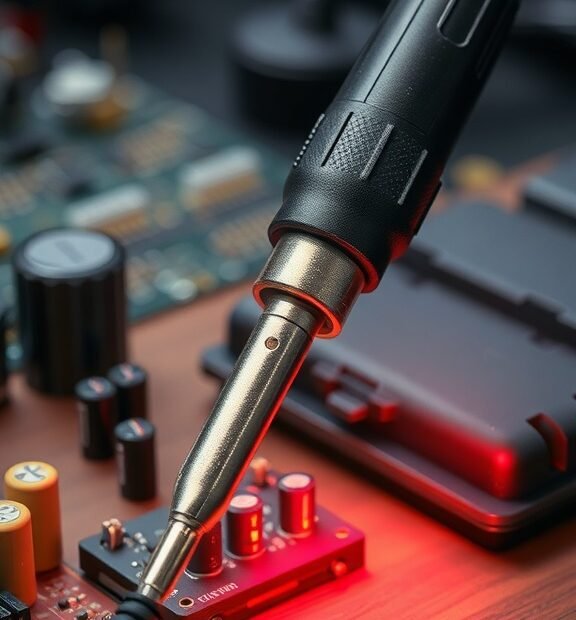
Optimal Temperature Settings for Soldering Irons in Electronics
Soldering is an essential skill in electronics, and the temperature of your soldering iron can make a significant difference in the quality of your work. The right temperature allows you to solder successfully without damaging sensitive components. So, how hot should a soldering iron be for electronics? Let’s explore optimal temperature settings to help you achieve the best results.
Understanding Soldering Iron Temperatures
When soldering electronics, it is critical to use the right temperature. Too hot, and you risk burning components or creating cold solder joints. Too cool, and the solder may not bond correctly. The optimal temperature range for soldering electronics typically lies between 350°C to 400°C (662°F to 752°F).
Factors Influencing Temperature Settings
Several factors can affect the ideal temperature setting for your soldering iron:
- Type of Components: Different components have varying heat tolerances. For example, larger components may require more heat, while smaller, sensitive parts may need a lower temperature.
- Solder Type: The type of solder you are using also matters. Lead-based solder typically melts at a lower temperature than lead-free solder. For lead-based solder, you might settle around 350°C, while lead-free solder may benefit from slightly higher settings.
- Heat Transfer: The heat transfer capability of your soldering iron plays a role. Higher quality, more powerful soldering irons maintain their temperatures better than lower-quality tools.
- Working Environment: Ambient temperature and airflow can influence soldering. For instance, working in a cooler environment or with fans nearby may require a bit more heat to achieve effective soldering.
Adjusting Temperature for Different Tasks
Depending on the task, you may need to adjust your soldering iron’s temperature:
- Soldering Components: For general soldering tasks on circuit boards and smaller components, aim for 350°C to 375°C. This balance helps prevent damage while ensuring proper solder flow.
- Soldering Larger Components: If you are working with large components like connectors or power electronics, you may increase the temperature to around 375°C to 400°C. This extra heat helps ensure the solder flows quickly.
- Desoldering: When desoldering components, it’s often beneficial to raise the temperature slightly to around 400°C. This allows the solder to melt quickly, making component removal easier.
Keeping Your Soldering Iron Clean
A clean soldering iron tip is crucial for effective temperature management. Oxidation can insulate the tip, making it difficult to maintain desired temperatures. To keep your soldering iron working well:
- Use a wet sponge or brass sponge to clean the tip regularly.
- Consider tinning the tip with solder before and after use to create a protective layer.
- Avoid using harsh chemicals that could damage the soldering iron tip.
Safety Considerations
Working with a soldering iron involves heat, so safety should always be a priority. Follow these tips to ensure you solder safely:
- Always use the soldering iron on a stable surface.
- Wear safety glasses to protect your eyes from solder splashes.
- Keep your workspace free from flammable materials.
Final Thoughts
Getting the temperature right for your soldering iron can enhance your electronics projects significantly. Remember the optimal range of 350°C to 400°C and adjust based on your tasks and materials. By keeping your iron clean and observing safety precautions, you will improve your soldering experience and the quality of your work. Happy soldering!
Common Mistakes to Avoid When Using a Soldering Iron for Electronics
Soldering is a crucial skill in electronics, but many beginners make avoidable mistakes. Learning how to use a soldering iron effectively can save time, money, and even prevent damage to components. Let’s explore some common mistakes to steer clear of when using a soldering iron for electronics.
Using Incorrect Temperature Settings
One of the most frequent blunders is using the wrong temperature settings. For most electronics soldering, it’s ideal to set your soldering iron between 350°C (662°F) and 400°C (752°F). If your soldering iron is too hot, it can damage sensitive components, while too low of a temperature can lead to cold solder joints. Always ensure your soldering iron is at the right temperature for effective and safe soldering.
Neglecting to Clean Your Soldering Iron’s Tip
A dirty soldering iron tip can lead to poor connections and affect the quality of your work. Cleaning the tip regularly helps maintain a good level of heat transfer. A clean tip allows solder to flow smoothly and bond properly with the electronic component. Use a damp sponge or a brass sponge to clean it regularly, especially after completing each solder joint.
Poor Soldering Technique
The way you hold the soldering iron plays a significant role in your soldering success. Here are a few tips to improve your technique:
- Always hold the iron like a pencil for better control.
- Apply heat for just the right amount of time—typically a few seconds—to components without overheating them.
- Keep the solder wire close to the joint to create effective heat transfer, promoting a solid connection.
Forgetting to Use Flux
Many beginners underestimate the importance of using flux. Flux helps remove oxidation and promotes better solder flow. Without it, solder may not adhere well, resulting in weak connections. Applying a small amount of flux to the areas you’re soldering makes a noticeable difference in the quality and reliability of your joints.
Overloading the Solder Joint
Applying too much solder is another common error. It can lead to “solder blobs” or shorts between connections, which can cause malfunction or failure. Instead, aim for a clean, shiny, and even solder joint that is just enough to make a good connection. A little solder goes a long way, and less is often more in achieving clean work.
Failing to Inspect Your Work
After soldering, it’s crucial to inspect your joints. Failing to do so can mean overlooking cold joints, shorts, or other defects. A proper inspection includes:
- Checking for shiny, smooth solder joints.
- Ensuring no excess or splattered solder is present.
- Confirming that no connections are inadvertently soldered together.
Using the Wrong Type of Solder
Not all solder is created equal. For electronics, it’s best to use rosin-core solder that contains a flux. Common types are leaded (like 60/40 tin/lead) or lead-free solders. Know the requirements of your project and choose accordingly, as the type of solder significantly impacts the quality of the joint.
Lack of Patience
Soldering is not a hurry-up task; it requires focus and a steady hand. Rushing through the process can lead to mistakes and poor-quality work. Take your time to set up your components correctly and ensure each solder joint is made with care. Patience in soldering pays off, resulting in better user experience and device reliability.
Ignoring Safety Precautions
Last but not least, neglecting safety measures can lead to accidents. Always work in a well-ventilated area and consider wearing safety glasses. Ensure you’re aware of your surroundings and keep the soldering iron in a safe place when not in use. Being mindful of safety not only protects you but also enhances your soldering experience.
By avoiding these common mistakes, you can become more proficient in soldering for electronics. Remember, practice makes perfect, so take your time and learn from any errors. With patience and attention to detail, you’ll master the art of soldering in no time!
Conclusion
Finding the right temperature for your soldering iron is crucial for achieving the best results in electronics. Typically, an optimal setting of 350°C (662°F) is ideal for most soldering tasks. This temperature allows for effective melting of solder while preventing damage to sensitive electronic components. It’s important to adjust your soldering iron according to the specific application; for instance, smaller components may require lower settings to avoid overheating.
Avoiding common mistakes can significantly enhance your soldering skills. One of the most frequent pitfalls is keeping the soldering tip clean. A dirty tip can lead to poor solder joints, as it’ll hinder heat transfer. Always remember to clean the tip regularly and use the right solder for your project. Additionally, managing the soldering time is essential. Overheating components, even at the right temperature, can lead to damage and failure.
By being mindful of these optimal temperature settings and avoiding typical pitfalls, you can ensure successful soldering in your electronics projects. Paying attention to detail and practicing good habits will not only improve the quality of your work but also enhance your overall experience. Remember, effective soldering isn’t just about the temperatures; it’s about the techniques and care you apply throughout the process. With patience and practice, you’ll master the art of soldering, leading to high-quality electronic assemblies that perform successfully in their intended applications.