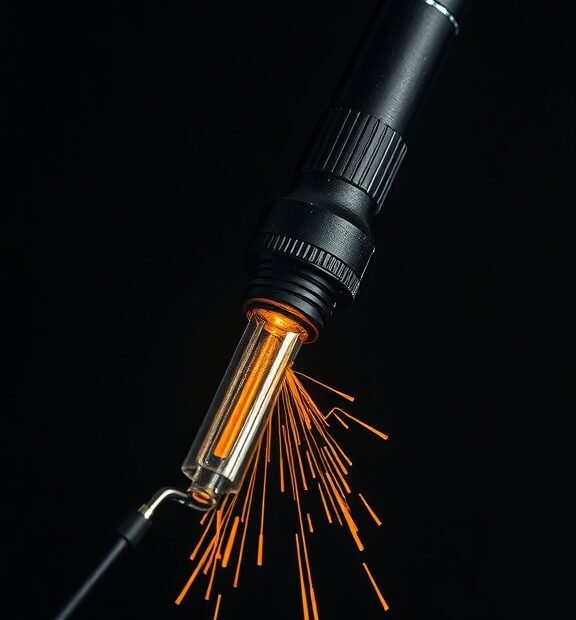
Understanding the Temperature Range of a 30 Watt Soldering Iron
When considering a 30-watt soldering iron, it’s essential to understand how hot it actually gets and how this affects your soldering projects. The temperature of a soldering iron can significantly impact the quality of your work, from soldering tiny electronic components to larger tasks involving heavier materials. Let’s dive into the temperature range and performance expectations of a 30-watt soldering iron.
A 30-watt soldering iron typically reaches temperatures between 350°F to 450°F (about 175°C to 230°C). The specific temperature can vary based on the design and the manufacturer of the soldering iron. This range is often ideal for light to moderate soldering tasks. Knowing the operating temperature can help you choose the right soldering iron for your specific needs.
For smaller electronic components like circuit boards, a 30-watt soldering iron works well. The moderate temperature allows for precise soldering without damaging delicate components. If you exceed this temperature, you risk burning out the parts or damaging their connections, which can lead to malfunction or failure of the device.
One key factor that affects the temperature is the heat-up time. Most 30-watt soldering irons can reach their optimal temperature within a few minutes. This means they are well-suited for quick jobs where efficiency is important. However, ensure you allow the iron to fully heat up before you start soldering to achieve the best results.
Here are some advantages of using a 30-watt soldering iron:
- Versatility: Excellent for a variety of projects, including electronics, crafts, and small repairs.
- Control: The moderate temperature gives you better control when soldering smaller components.
- Accessibility: Generally more affordable than higher-wattage options, making it a good choice for hobbyists and beginners.
While a 30-watt soldering iron is convenient, there are situations where it might not be the best option. For instance, if you are working on larger projects that require jointing heavier wires or materials, the 30-watt model may struggle to maintain the necessary heat. In these cases, you might need a soldering iron with higher wattage, such as a 40-watt or even a 60-watt tool. These higher-powered options can reach soldering temperatures much quicker and can handle larger components without losing heat efficiency.
Temperature stability is another critical aspect to consider. Some 30-watt soldering irons might not maintain a consistent temperature, which can lead to uneven soldering. Look for models that provide temperature control options, so you can adjust the heat based on what you’re working on. This feature can be particularly helpful for advanced users who need to fine-tune their soldering processes.
Here are some tips for effectively using a 30-watt soldering iron:
- Always clean your tip: It’s crucial to keep the soldering tip clean for optimal heat transfer. A dirty tip will not heat well and can cause soldering issues.
- Use the right solder: Choose solder that works best at lower temperatures. This ensures a smooth melting experience, especially when working with sensitive components.
- Practice proper technique: Always hold the soldering iron at an angle and apply the solder directly to the joint. This method helps transfer heat more effectively.
In addition, make sure to adjust your technique based on the materials you are working with. Different substrates may require different application methods or solder types. For example, working with heat-sensitive components like LEDs might need a gentler approach to prevent damage.
Understanding how hot a 30-watt soldering iron can get is crucial for your soldering success. By recognizing the suitable temperature range and applying the above strategies, you can ensure effective and high-quality solder joints in your projects.
The versatility and performance of a 30-watt soldering iron make it an excellent tool for many soldering tasks, but always consider your specific requirements to optimize your soldering experience. Remember to keep safety in mind as well; working with soldering irons does carry risks, so protective gear and proper ventilation are always advised.
Best Practices for Using a 30 Watt Soldering Iron Effectively
Using a 30 watt soldering iron effectively can make all the difference in your electronics projects. While it may seem straightforward, understanding the best practices can ensure better results and safer use. Here are some essential tips for working with your 30 watt soldering iron.
Understanding the Temperature Range
A 30 watt soldering iron typically reaches temperatures between 300°C to 400°C (572°F to 752°F). This range is suitable for most soldering tasks without damaging sensitive components. Always allow your soldering iron to heat up for a few minutes before starting to work. The right temperature means better solder flow and improved connections.
Choosing the Right Solder
Selecting the appropriate solder is crucial for effective soldering. Here are some common types:
- Lead-Based Solder: This type melts at a lower temperature, making it easier to work with.
- Lead-Free Solder: Though often more environmentally friendly, this solder requires a higher temperature to melt.
Make sure your solder matches the specifications of your components, and always aim for high-quality solder for the best results.
Proper Tip Maintenance
Maintaining the soldering iron tip is essential for efficient soldering. Here are some maintenance tips:
- Clean the Tip: Use a damp sponge or brass wool to wipe the tip regularly. This prevents oxidation and promotes better heat transfer.
- Tin the Tip: Apply a small amount of solder to the tip before storing. This helps protect it from oxidation.
- Replace Worn Tips: If your tip becomes Irregular or worn out, consider replacing it to maintain soldering performance.
Mastering the Technique
The way you hold your soldering iron and apply solder greatly impacts your work. Follow these steps for optimal technique:
- Hold the Iron at a 45-Degree Angle: This angle provides better visibility and control.
- Heat the Component: Place the soldering iron on the joint or lead for a couple of seconds before applying solder. This ensures the solder flows properly.
- Remove the Iron and Apply Solder: As soon as the component is hot, apply the solder to the joint, not the iron. This allows for proper melting and flow.
Working with Different Materials
Different projects may involve various materials that have unique soldering requirements. Here are some common materials and tips for each:
- Circuit Boards: Ensure your solder is compatible with printed circuit boards (PCBs). Use minimal solder to avoid short circuits.
- Wires: For wire connections, make sure they’re twisted together before soldering. This adds strength to the joint.
- Connectors: Ensure a good fit between the connector and the housing. High heat and longer contact time may be required for reliable soldering.
Safety Precautions
Safety is paramount when using a soldering iron. Always consider these precautions:
- Work in a Well-Ventilated Area: Solder fumes can be harmful, so proper ventilation is key.
- Use a Stand: Always place your hot soldering iron in a stand when not in use to avoid burns or accidental damage.
- Wear Protective Eyewear: Protect your eyes from accidental solder splashes with proper safety glasses.
Practice Makes Perfect
The more you practice with your soldering iron, the better you’ll become. Start with simple projects to build your confidence. Take your time, and don’t rush through the process. As you gain experience, you’ll learn how to adjust your technique depending on the materials and project requirements.
Whether you are a beginner or a seasoned enthusiast, knowing how to use a 30 watt soldering iron effectively will elevate your skills. By following these best practices, you can achieve professional-quality solder joints and enjoy an easier, more enjoyable soldering experience.
Conclusion
When working with a 30 watt soldering iron, grasping its temperature range and proper usage techniques is crucial for successful soldering tasks. Typically, a 30 watt soldering iron can reach temperatures between 350°F to 400°F (about 180°C to 200°C). This temperature range is ideal for soldering electronic components, so you can effectively connect wires and circuit boards without damaging delicate parts.
To maximize effectiveness, it’s essential to adopt best practices while soldering. Always ensure that the tip is clean and well-tinned before starting your project. This will facilitate better heat transfer and create a more robust solder joint. Holding the soldering iron at a consistent angle will help you control the heat applied, ultimately improving your results. Don’t rush the process; allowing the heat to penetrate the materials for a few seconds can ensure a proper bond.
Additionally, consider the type of solder you’re using, as different alloys may require slight adjustments in technique. Safety should also be a priority; always use heat-resistant surfaces and keep your work area organized to avoid accidental burns or other injuries.
By understanding the operational limits of your soldering iron and applying these best practices, you’ll enhance your soldering skills and achieve better outcomes in your projects. With practice and the right approach, you’ll find that a 30 watt soldering iron is an invaluable tool in your toolkit, capable of delivering professional results every time.