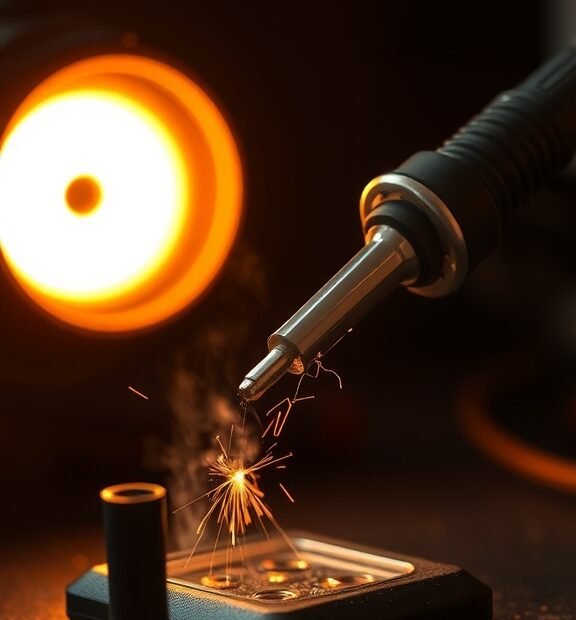
Understanding the Temperature Range of Soldering Irons and Its Impact on Various Applications
Soldering irons are essential tools for anyone working with electronics, jewelry making, or plumbing. Understanding the temperature range of soldering irons can significantly impact the quality of your work and the durability of the connections you create. So, how hot does a soldering iron get, and why does it matter?
The temperature of a soldering iron can vary widely depending on its type and intended use. Generally, soldering irons reach temperatures between 350°F and 900°F (approximately 180°C to 480°C). However, not every project requires the highest temperatures. It’s crucial to choose the right heat setting to suit your specific application.
Types of Soldering Irons and Their Temperatures
Different types of soldering irons are designed to work with various materials and tasks, which affects their operating temperatures:
- Basic Soldering Irons: These inexpensive models usually have a fixed temperature around 350°F to 400°F. They are suitable for light electronic work but may not be ideal for more demanding applications.
- Temperature-Controlled Soldering Irons: Offering greater precision, these irons can be adjusted from about 350°F to 900°F. This range allows you to tackle a variety of tasks, from delicate circuit board work to more robust soldering in plumbing.
- Soldering Stations: These comprehensive setups come with a soldering iron and a power supply. Most stations allow precise temperature settings within 300°F to 800°F, depending on the model. They are ideal for professional use, providing consistent, reliable heat.
- High-Temperature Soldering Irons: These are designed for specialized tasks, like joining heavy wires or metal components, reaching temperatures of up to 900°F. They should only be used by experienced individuals, as the high heat can damage components if not handled correctly.
Impact of Temperature on Soldering Applications
The temperature you select while using a soldering iron directly impacts the quality of your work. Here are some considerations for various applications:
- Electronics: When soldering electronic components, a temperature range of 350°F to 450°F is usually sufficient. This prevents overheating sensitive parts, which can lead to failure.
- Jewelry Making: For soldering metals in jewelry, higher temperatures up to 600°F may be required. However, it’s essential to know the type of metal you are working with to prevent damage.
- Plumbing: In soldering copper pipes, temperatures between 400°F and 600°F are typically used, as this allows the solder to flow and bond without damaging the pipe.
- Automotive Repairs: Higher heat, often up to 700°F, may be necessary for automotive applications. This higher temperature ensures stronger bonds in challenging conditions.
Choosing the Right Temperature
Choosing the correct temperature for your soldering job is crucial. Too low, and the solder won’t melt properly. Too high, and you risk damaging components or affecting the integrity of the materials being joined. Here are a few tips to find the right balance:
- Always refer to the manufacturer’s guidelines for the solder and materials you are using. Different solders have varying melting points.
- Start lower and gradually increase the temperature until you achieve the desired flow. This helps in practicing proper control.
- Use a soldering iron with a fine tip for detailed work to allow for precision control over the application of heat.
By understanding how hot a soldering iron gets and the temperature requirements of different materials, you can significantly enhance the quality of your work. This way, whether you’re fixing a circuit board, creating jewelry, or plumbing, you can achieve strong, durable, and effective bonds. Remember, mastery in soldering comes with time and experience, so don’t hesitate to practice and refine your skills.
Safety Precautions When Using Soldering Irons: Protecting Yourself from Heat Hazards
When working with soldering irons, it’s essential to recognize the potential hazards associated with their high temperatures. Preventing accidents and injuries should be your top priority. Whether you’re a beginner or an experienced user, following proper safety precautions can protect you from heat-related incidents.
First and foremost, always wear appropriate personal protective equipment (PPE). This includes:
- Safety glasses: Protect your eyes from solder splashes and harmful fumes.
- Heat-resistant gloves: These will protect your hands from burns when handling hot items.
- Long-sleeved clothing: Wear clothes made from natural fibers to minimize the risk of catching fire.
Position your work area wisely. Ensure that it’s clean, organized, and well-lit. By keeping your surroundings tidy, you eliminate unnecessary distractions that could lead to accidents. Always use a stable, non-flammable surface when soldering. This minimizes the risk of the soldering iron coming into contact with flammable materials.
Before you plug in your soldering iron, inspect it carefully. Check for any worn-out cords, damaged tips, or loose parts. Using a faulty soldering iron is dangerous and can easily lead to accidents. Ensure that the tip of the soldering iron is clean and well-maintained. A dirty tip can lead to poor solder joints, making you apply more heat than necessary, which could result in burns or damaged components.
Never leave the soldering iron unattended when it’s hot. Instead, plug it in only when you are ready to use it. This prevents potential fires from occurring in your workspace. Moreover, be mindful of the location of your soldering iron. Keep it on a heat-resistant stand away from the edges of tables to avoid accidental spills. When you’re not using it, place the soldering iron in its stand to prevent injuries.
It’s crucial to understand the proper technique while soldering. Hold the soldering iron like a pencil, allowing for better control over your movements. Aim to minimize contact time between the soldering iron and the components you are working on. The longer the tip is in contact with a surface, the greater the risk for overheating and burns. Use just enough heat to melt the solder without damaging surrounding materials.
Be aware of the soldering iron’s temperature settings. Most soldering irons can reach temperatures between 350°F to 850°F (about 175°C to 450°C). Because different tasks require different temperatures, familiarize yourself with your specific soldering iron’s settings. Always start at a lower setting and adjust as necessary. This practice helps in maintaining safety and reduces the likelihood of accidents.
Another aspect to consider is ventilation. Many solders release fumes that can be harmful when inhaled. Always work in a well-ventilated area or use an fume extractor. This not only protects your respiratory health but also improves your overall working environment.
After finishing your soldering tasks, allow the iron to cool down completely before storing it. A hot soldering iron can ignite nearby materials or cause burns if accidentally touched. It’s best to disconnect the soldering iron from the power source before cooling it down for safety reasons. Store it in a safe location away from children and pets.
If you’re working with lead solder, extra precautions are essential. Lead can be toxic if ingested or inhaled. Always wash your hands thoroughly after handling lead solder, and never eat or drink in your workspace. Use non-lead solder whenever possible, as it is safer for health and the environment.
By adhering to these safety precautions, you significantly minimize risks associated with using soldering irons. Practicing caution allows you to work efficiently while ensuring your safety and that of those around you. Remember, safety isn’t just an option; it’s a responsibility you owe to yourself and others in your workshop.
Conclusion
Understanding how hot a soldering iron gets is crucial for anyone involved in electronics or crafting. The temperature range of soldering irons typically spans from about 200°C (392°F) to 480°C (896°F). This wide range allows users to select the appropriate heat level for various applications, whether it’s delicate electronic components or heavier-duty tasks. By grasping this essential knowledge, you can achieve better results in your projects, ensuring that solder flows smoothly and bonds effectively.
Equally important is being aware of safety precautions when using soldering irons. These tools reach high temperatures that can pose significant heat hazards if not handled correctly. Always protect yourself by wearing safety goggles and potentially heat-resistant gloves. Consider working in a well-ventilated area to avoid inhaling smoke from soldering materials. Keeping a clean workspace helps prevent accidental burns and injuries, ensuring that your soldering experience remains safe and productive.
Balancing an understanding of temperature ranges with robust safety measures lays the groundwork for effective soldering practices. Your safety and the success of your projects largely depend on following these principles. By being informed and taking proper precautions, you not only enhance your soldering skills but also foster a more enjoyable and secure working environment. Whether you’re a novice or an expert, keeping these factors in mind is essential to harnessing the full potential of your soldering iron while mitigating risks associated with high temperatures.