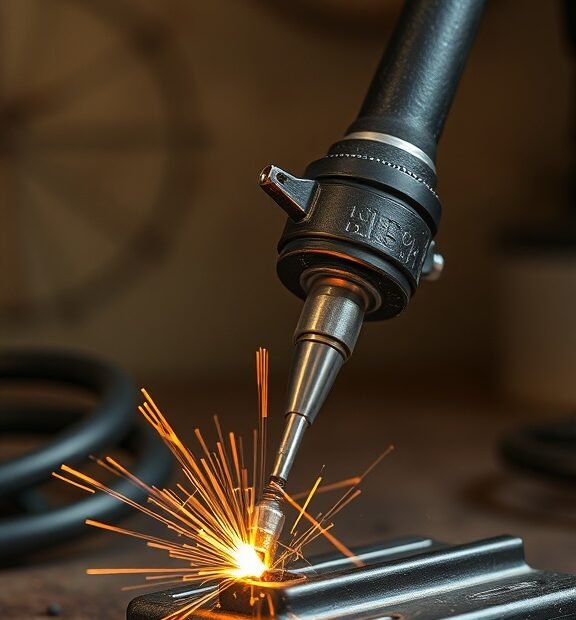
Understanding the Mechanism: How Does a Gas Soldering Iron Work?
Gas soldering irons are essential tools for many professionals and hobbyists alike. They offer a portable and efficient way to join metals, especially where electrical soldering irons may be impractical. Understanding the mechanics behind a gas soldering iron can enhance your effectiveness, whether you’re a novice or an experienced user.
At its core, a gas soldering iron operates by combining a fuel source, typically butane, with an ignition system to generate heat. This heating element is crucial, as it is responsible for melting solder and creating strong connections between components. To fully grasp the workings of a gas soldering iron, let’s take a closer look at its main components and their functions.
One of the key components of a gas soldering iron is the fuel canister. This container holds the gas that powers the tool. Butane is favored for its portability and ease of use. The canister is usually fitted with a valve that regulates gas flow. When activated, the gas flows from the canister into the combustion chamber.
Next, we have the ignition system. Once you turn on the gas flow, you need a way to ignite it. Most gas soldering irons are equipped with a piezoelectric igniter. This small device generates a spark, igniting the gas as it enters the combustion chamber. The resulting flame generates heat, which is then transferred to the soldering tip.
The soldering tip, typically made of copper, is another vital part. It sits at the end of the soldering iron, and its primary job is to conduct the heat generated by the flame to solder. The design of the tip can vary, allowing for different soldering applications, from fine electronics to larger metal projects.
Here’s a breakdown of how it all works together:
- The user turns on the gas valve to allow butane to flow from the canister.
- The piezoelectric igniter generates a spark that ionizes the gas, creating a flame.
- The flame heats the soldering tip to a desired temperature.
- The heated tip melts the solder, allowing it to flow into the joint being soldered.
- Once the joint cools, it solidifies, creating a strong bond.
Being a portable tool, gas soldering irons are very convenient for outdoor projects or situations where constant electrical power is absent. This adds an element of versatility to their use, making them an excellent option for activities such as jewelry making, plumbing repairs, or auto repair.
While using a gas soldering iron, there are some important safety points you should consider. First, always handle the tool with care, as both the flame and soldering tip can reach high temperatures. Make sure to work in a well-ventilated area to avoid inhaling fumes from the burning gas. Additionally, always keep a fire extinguisher nearby for emergencies.
Another aspect to consider is the need for regular maintenance. Over time, the soldering tip may wear down, impacting its efficiency. It’s advisable to replace or clean the tip regularly. Make sure to also check the fuel canister for leaks and ensure that the valve functions correctly. A small leak can be hazardous, so inspect your tool frequently.
In terms of operation, turning off your gas soldering iron is straightforward. Simply close the fuel valve and allow the device to cool down. It’s important to let the entire tool cool before storing it away. This not only ensures safety but also prolongs the life of your soldering iron.
Understanding how a gas soldering iron works can greatly enhance your proficiency with the tool. By knowing the components and their functions, you can use the soldering iron more effectively and safely. Whether you’re focused on precision in electronics or working on larger metal projects, mastering this portable device allows for creativity and craftsmanship in your work.
Gas soldering irons combine simplicity and functionality, proving to be invaluable in various soldering tasks. Being aware of their mechanisms will help you leverage their capabilities, ensuring your projects are completed smoothly and efficiently.
Advantages and Disadvantages of Using Gas Soldering Irons in Different Applications
Gas soldering irons are versatile tools widely used in various applications, ranging from electronics to crafting. Understanding the advantages and disadvantages of using these soldering irons can help you determine if they are the right choice for your projects.
Advantages of Using Gas Soldering Irons
Gas soldering irons offer many benefits that make them attractive for different purposes. Here are some notable advantages:
- Portability: One of the primary benefits is their portability. Gas soldering irons are typically lighter and can be used without being tethered to an electrical outlet. They are ideal for outdoor projects or remote locations.
- Quick Heating: These soldering irons heat up rapidly. This feature allows you to start working on your projects faster, saving valuable time in situations where efficiency is essential.
- Versatility: Gas soldering irons can be utilized for various tasks, including soldering, melting, and even heating shrink tubing. This multifunctionality means you can handle multiple jobs with a single tool.
- Adjustable Flame: Many models come with an adjustable flame feature. This allows you to control the temperature more precisely, ensuring better results depending on the material you are working with.
- Independence from Power Source: Since they run on gas, you don’t have to worry about finding a power outlet. This independence offers more flexibility in work environments.
Disadvantages of Using Gas Soldering Irons
While gas soldering irons have their advantages, they also come with some drawbacks. Here are some disadvantages you should consider:
- Safety Hazards: Working with gas poses inherent safety risks. There is always a potential for accidental burns and fire hazards if not handled properly. You must be careful to use the tool in a safe environment.
- Gas Supply: Running out of gas can interrupt your work. Soldering can be time-sensitive, and having to pause to refill or replace the gas cylinder might cause delays.
- Learning Curve: For beginners, getting used to the flame and its control can be challenging. This instrument may take some time to master compared to electric soldering irons.
- Limited Temperature Range: While adjustable, the temperature range may not reach some specialty requirements for specific types of solder or components, limiting its use in certain applications.
- Higher Initial Cost: Gas soldering irons can be more expensive than their electric counterparts, making some users hesitant to invest in one, especially if they only need it for occasional use.
Applications Where Gas Soldering Irons Shine
Gas soldering irons shine in various applications, showcasing their versatile nature. Here are some areas where they perform exceptionally well:
- Field Repairs: When working in the field, such as in electrical engineering or construction, having a portable soldering iron can expedite repairs without sourcing electricity.
- Hobby Projects: Crafters and hobbyists often benefit from the versatility that gas soldering irons provide, allowing them to work on wood crafts, electronics, and jewelry making with ease.
- Automotive Repairs: In automotive work, portability and quick heating are vital, making gas soldering irons great for soldering wires and making repairs where electricity may not be readily accessible.
When to Choose Gas over Electric
Choosing between a gas soldering iron and an electric one largely depends on your specific needs. If you often work away from electrical sources, require quick heat-up times, or need a tool for various tasks, a gas soldering iron could be a great addition to your toolbox. However, if you primarily work indoors and can plug in, an electric soldering iron might be a more suitable option.
Understanding the advantages and disadvantages of gas soldering irons allows you to make informed decisions based on your project requirements. Whether you prioritize portability, quick heating, or safety concerns, knowing the strengths and limitations can help you select the right tool for your endeavors.
Conclusion
Gas soldering irons are powerful tools that utilize a combination of heat and gas to create a reliable soldering connection. Understanding how these devices work allows users to appreciate their versatility and efficiency. The flame produced by the gas is adjustable, enabling you to control the temperature according to your soldering needs. This feature is particularly beneficial for delicate tasks where precision is key.
When considering the advantages of gas soldering irons, their portability stands out as a major benefit, making them ideal for on-the-go repairs and projects. The absence of cords allows for greater freedom of movement, enabling use in less accessible areas. Furthermore, the quick heat-up time means you can begin working almost instantly, improving your overall productivity.
However, there are drawbacks to consider as well. Gas soldering irons can be less suitable for very fine work, as they may produce more heat than necessary, potentially damaging sensitive components. Additionally, the need for fuel refills could interrupt your workflow if not planned accordingly.
Weighing the pros and cons allows you to make informed decisions about when and how to use a gas soldering iron. This tool can be a valuable addition to your toolkit, particularly for outdoor or fieldwork, but it may not be the best choice for every soldering task. Understanding these nuances will help you optimize your soldering projects, ensuring successful results every time.