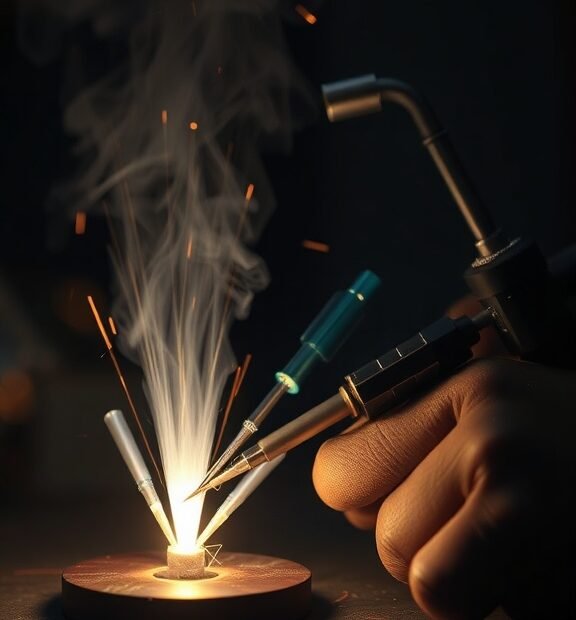
Understanding the Mechanics: How Do Soldering Irons Work?
Soldering irons are essential tools in electronics, crafts, and metalworking. They serve a specific purpose: to join two or more electronic components by melting solder. Understanding how soldering irons work can help you use them effectively and safely. Let’s delve into the mechanics of soldering irons, how they heat up, and how they enable soldering.
What Is a Soldering Iron?
A soldering iron is a hand-held tool that delivers heat to a particular area. It comes with a heated metal tip that melts solder, a fusible metal, which flows into the joint between electronic components. By understanding its elements, you can grasp how it performs its task.
The Components of a Soldering Iron
There are several key parts to a soldering iron that work together:
- Heating Element: This is the core component that generates heat. It can be either resistive or a ceramic element.
- Tip: The metal tip conducts heat from the heating element to the solder. Tips come in various shapes for different tasks.
- Handle: This part allows you to grip the soldering iron safely and comfortably. It often has insulation to prevent heat transfer.
- Power Supply: Most soldering irons are electrically powered, while some are cordless, using gas or batteries.
How Do Soldering Irons Generate Heat?
When you plug in a soldering iron, electricity flows through the heating element. As current passes through, resistance in the wire converts electrical energy into heat. This process is known as Joule heating. The heating element reaches a high temperature, allowing the metal tip to become hot enough to melt solder.
Temperature Control
Many soldering irons include a temperature control feature. This can be either manual or digital:
- Manual Control: You can adjust the heat by turning a dial or switch to reach the desired temperature.
- Digital Control: These models feature an LED display where you can set the specific temperature, which can be more precise.
Proper temperature control is critical. Too low might not melt the solder effectively, while too high can damage components.
The Soldering Process
Using a soldering iron involves several key steps:
- Preparation: Ensure that the surfaces to be joined are clean. Use a cleaner or abrasive if needed.
- Heat Up: Turn on your iron and allow it to reach the required temperature.
- Apply Heat: Touch the tip of the soldering iron to the joint you want to solder.
- Add Solder: Once the joint is heated, add solder to the joint, not directly to the iron. The molten solder should flow into the joint.
- Cool Down: Allow the solder to cool and solidify before moving any components.
Safety Tips When Using a Soldering Iron
Handling a soldering iron requires caution as it operates at high temperatures. Here are some safety tips to follow:
- Always work in a well-ventilated area to avoid inhaling fumes.
- Use a soldering iron stand to avoid burns or accidental damage.
- Do not touch the tip or the heated parts while in use.
- Keep your workspace free from flammable materials.
Maintaining Your Soldering Iron
To ensure your soldering iron works efficiently, maintenance is key. Here are some basic care tips:
- Clean the soldering tip with a damp sponge or brass wire before and after use.
- Store your soldering iron safely in its stand when not in use.
- Replace the tip if it becomes worn or damaged.
Mastering soldering irons’ mechanics not only enhances your soldering skill but also ensures safety and efficiency. By understanding how they work, you become more confident in tackling various projects.
Tips for Choosing the Right Soldering Iron for Your Projects
Choosing the right soldering iron for your projects can make a significant difference in how smoothly your work goes. Whether you’re a hobbyist or a professional, understanding what features to look for will ensure that you have the suitable tool for the job. Here are some valuable tips to help you make informed decisions when selecting a soldering iron.
Consider Your Soldering Needs
Before making a purchase, pause to think about your specific soldering needs. Ask yourself:
- What type of projects will you be working on?
- Do you need precision for small components, or will you be working on larger items?
- How often will you be using the soldering iron?
Understanding your projects will guide you toward the right type of soldering iron. For instance, if you’re mainly working with circuit boards, a fine-tipped soldering iron is a sound choice, while larger soldering tasks might require a more robust option.
Check the Temperature Control
Temperature control is a crucial feature to look out for. Some soldering irons come with fixed temperatures, while others offer adjustable settings. Here’s why adjustable temperature control can be beneficial:
- It allows you to customize the heat for different types of solder.
- It helps prevent damage to sensitive electronic components.
- You can speed up or slow down the soldering process as needed.
For delicate work, a lower temperature might be desirable, whereas larger joints may require a higher heat setting.
Look for a Good Tip Selection
The tip of the soldering iron is another vital factor. Different shapes and sizes offer unique advantages:
- Chisel Tips: Great for larger surfaces and heavy soldering.
- Fine Point Tips: Ideal for precision work on small components.
- Bevel Tips: Useful for various applications, combining aspects of the previous two types.
Having interchangeable tips can also be advantageous, allowing you to adapt your tool for various tasks quickly.
Evaluate Wattage
The wattage of your soldering iron affects its heating capability. Generally, higher wattage means faster heating. Here’s a guideline:
- 20-40 watts: Suitable for small, delicate projects.
- 40-60 watts: Good for most general soldering tasks.
- 70+ watts: Best for heavy-duty soldering or larger components.
While wattage is essential, it’s also critical that the soldering iron can maintain consistent temperatures throughout your work.
Consider the Cord Length and Flexibility
While working on your projects, you’ll want to ensure that you have enough space to maneuver. A too-short cord can limit your range and make your work cumbersome. Additionally, consider the flexibility of the cord:
- A long, flexible cord allows better movement and ease of use.
- Some soldering irons come with a cordless option, providing even more freedom when working in tight spaces.
Choose a design that keeps you moving comfortably while working on your projects.
Examine Additional Features
Many modern soldering irons include additional features aimed at enhancing user experience. Some of these may include:
- Built-in stands for easy storage.
- LED indicators to show when the tool is hot.
- Auto shut-off features for safety.
These features can add convenience, making your soldering tasks more efficient and safer.
Don’t Forget About Budget
While it’s essential to focus on quality, also keep your budget in mind. Soldering irons come in various price ranges, and finding one that fits your wallet without compromising quality is crucial. Research and read reviews to identify which models provide the best value for your needs.
By considering the factors outlined in this guide, you’ll be well on your way to choosing the right soldering iron for your projects. Making a thoughtful selection benefits not only your current projects but also sets you up for future success in soldering tasks.
Conclusion
To fully appreciate the capabilities of soldering irons, it’s important to grasp their mechanics and how they function. The heart of a soldering iron lies in its heating element, which transforms electrical energy into heat. This heat is then transferred through the soldering tip, allowing you to melt solder and create strong electrical connections. Knowing this helps you understand not just how to use a soldering iron, but also why certain models may be better suited for specific tasks, like electronics, jewelry making, or plumbing.
When selecting the right soldering iron for your projects, consider factors such as wattage, temperature control, and tip compatibility. A higher wattage can heat up faster and maintain temperature better, while temperature control features allow for greater flexibility in handling various materials. Additionally, choosing the correct tip size and shape can improve your precision and efficiency, whether you’re tackling delicate circuit boards or more robust assembly tasks.
Ultimately, the right soldering iron can significantly enhance your work, making soldering more straightforward and the results more reliable. By understanding how soldering irons operate and evaluating them based on your specific needs, you will be well-equipped to tackle a variety of projects, resulting in cleaner, more professional-looking joins. Embracing these insights will undoubtedly enhance your soldering skills and the quality of your work, empowering you to achieve successful results in all your crafting endeavors.