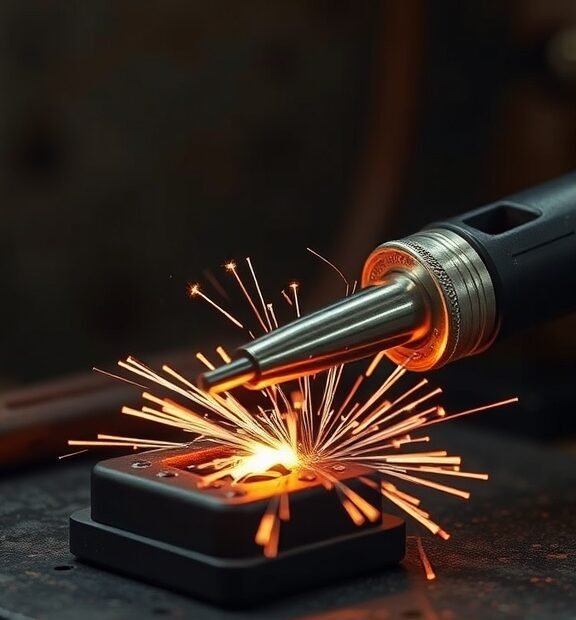
Understanding How Butane Soldering Irons Work: Components and Functionality
Butane soldering irons are popular tools for both professionals and hobbyists due to their portability and versatility. Understanding how butane soldering irons work involves exploring their components and the functionality behind their operation. These tools can heat quickly and provide reliable performance, making them a valuable asset in any toolbox.
Components of Butane Soldering Irons
To appreciate how butane soldering irons work, it’s essential to know their key components:
- Butane Fuel Cartridge: This is the source of fuel for the soldering iron. Butane is a clean-burning gas that produces heat when ignited.
- Heating Element: The heating element is usually made from metal and heats up when the butane ignites, providing the necessary temperature for soldering.
- Nozzle: The nozzle directs the heat produced by the heating element to the soldering tip. Different nozzle shapes can influence the application and precision of the soldering task.
- Soldering Tip: This is the part that comes into contact with the materials being soldered. Various tip designs are available for different applications, such as fine tips for detailed work or broad tips for larger surfaces.
- Trigger or Ignition Button: Often found on the body of the soldering iron, this activates the butane flow and ignites it. Some models may have a piezoelectric ignition system for a quick and easy start.
- Temperature Control: Some advanced models come with adjustable temperature settings, allowing you to modify the heat based on your project’s requirements.
Functionality of Butane Soldering Irons
Now that you’ve seen the components, let’s dive into the functionality of a butane soldering iron:
When you want to use the soldering iron, you’ll start by filling the butane fuel cartridge. Once it’s filled, you’ll turn the gas valve to allow a small amount of butane to flow through to the ignition section. Pressing the trigger activates the ignition system, igniting the butane and producing a flame. The flame heats the soldering tip and the heating element.
As the temperature rises, you can start soldering. The ideal temperature for soldering ranges from 350°F to 450°F (about 177°C to 232°C), making butane soldering irons efficient for many different tasks, from electronics to jewelry making.
One of the main advantages of using a butane soldering iron is its portability. Unlike electric soldering irons that require a power source, these can be used in locations without electricity. This makes them perfect for outdoor projects or in workshops where space is limited.
Tips for Using Butane Soldering Irons Effectively
To get the most out of your butane soldering iron, keep these handy tips in mind:
- Always fill the cartridge in a well-ventilated area: Butane is flammable, so ensure you fill it away from open flames or sparks.
- Allow the soldering tip to heat adequately: This ensures better solder adhesion and helps prevent damage to electronic components.
- Use the appropriate soldering tip: Different tasks might require different tips. Select the one that suits your needs best for optimal results.
- Practice safety: Handle the tool carefully and avoid touching the tip or nozzle when it’s hot. Let it cool down after use before storing it safely.
- Tackle small projects first: If you’re new to butane soldering irons, start with minor tasks to get comfortable with the tool.
Butane soldering irons are an excellent option for anyone looking to engage in soldering projects, combining ease of use with great functionality. By understanding how they work and familiarizing yourself with their components, you can become more adept at using them, whether for repairing electronics or crafting jewelry.
With proper care and practice, you’ll find that a butane soldering iron can be a reliable companion for all your soldering needs.
Advantages of Using Butane Soldering Irons Over Electric Models
When it comes to soldering, choosing the right tool can greatly influence your efficiency and results. Butane soldering irons offer benefits that often outperform their electric counterparts, making them a popular choice among many hobbyists and professionals alike. Understanding these advantages can help you decide which soldering tool best fits your needs.
Portability and Convenience
One of the most significant advantages of butane soldering irons is their portability. Unlike electric models, which rely on a power source, butane irons are cordless and can be used anywhere. This freedom makes them ideal for outdoor projects, remote locations, or even tight spaces where access to an electrical outlet may be limited.
Rapid Heating and Versatility
Butane soldering irons heat up quickly, allowing you to start soldering almost immediately. The wait time for electric models can be cumbersome, especially for tasks requiring frequent soldering. Additionally, the temperature control on butane models is often more versatile. Many designs allow you to adjust the flame intensity, giving you the flexibility to work with various materials and projects.
Longer Working Time
With a refillable butane tank, these soldering irons can run for extended periods before needing a refill. While electric soldering irons depend on access to an electrical supply, which can limit your working time, butane irons allow you to work longer without interruptions. This feature is particularly advantageous for larger projects that require more soldering.
Less Risk of Overheating
Butane soldering irons tend to manage heat more effectively than their electric counterparts. Because you can control the flame and output, there is less risk of damaging delicate components or materials. This level of precision is vital when working on sensitive electronics, where overheating can cause irreversible damage.
Cost-Effectiveness
While the initial investment in a butane soldering iron may be comparable to that of electric models, the long-term savings can be significant. Refills for butane gas are typically cheaper than electricity costs over time, especially for regular users. Additionally, butane irons often have a longer life span since they do not have the internal electronics that can fail in electric models.
Safe Usage
Many users find butane soldering irons to be safer, primarily because they do not have exposed electrical parts. This design reduces the risk of electric shocks, especially when working in damp or outdoor conditions. Moreover, butane irons often come equipped with built-in safety features like caps or automatic shut-off systems, which enhance user safety.
Environmental Impact
With concerns about energy consumption and environmental sustainability rising, butane soldering irons may present a greener choice. They consume less energy compared to electric irons, which can draw substantial amounts of power during use. By opting for butane, you may also reduce your carbon footprint associated with electricity production.
Increased Control for Fine Detail Work
The flame produced by butane soldering irons provides increased control, especially for detailed or intricate work. The ability to focus the heat more precisely allows for better results in situations where electric irons may struggle. This feature is invaluable when soldering fine wires or conducting repairs on electronic components.
This tool also works well in combination with various solder types, giving you the flexibility to choose the best option for your tasks. Whether you need a low or high-temperature application, butane irons can adapt, allowing you to achieve the best bonding results.
- Portable and Cordless
- Rapid Heating for Fast Starts
- Longer Working Time with Refills
- Less Risk of Overheating Delicate Components
- Cost-Effective Over Time
- Enhanced Safety Features
- Environmentally Friendly Option
- Increased Control for Detailed Work
Considering these advantages, butane soldering irons stand out as a practical choice for both amateurs and seasoned professionals in soldering tasks. They provide a combination of portability, versatility, safety, and cost efficiency that can enhance your overall experience and output. As you explore your soldering options, keep these factors in mind to make an informed decision that best suits your needs.
Conclusion
Butane soldering irons offer a unique and efficient way to accomplish soldering tasks, thanks to their innovative design and functionality. By harnessing the power of butane fuel, these tools provide a portable solution that can operate without the need for a power outlet. This makes them ideal for outdoor and remote projects where electricity may not be available.
The key components, such as the butane fuel tank, adjustable flame nozzle, and solder tip, come together to deliver precision heating for various applications, from electronics to crafts. The ability to instantly ignite and adjust the flame offers users greater control over their work, allowing for quick adjustments on the fly.
When compared to electric soldering irons, butane models present several advantages. Their portability and the absence of cords significantly enhance mobility, making them a favorite among hobbyists and professionals alike who often work in different settings. Additionally, butane soldering irons can heat up more quickly than their electric counterparts, reducing waiting times and allowing for quicker work completion.
Choosing a butane soldering iron signifies a smart investment for anyone in need of reliable and versatile tools. Their ease of use, combined with the benefits of portability and independence from electricity, empowers you to tackle projects with confidence. Whether you’re a seasoned technician or a beginner, understanding how butane soldering irons work and their unique advantages can elevate your soldering experience and enable successful outcomes in your tasks.