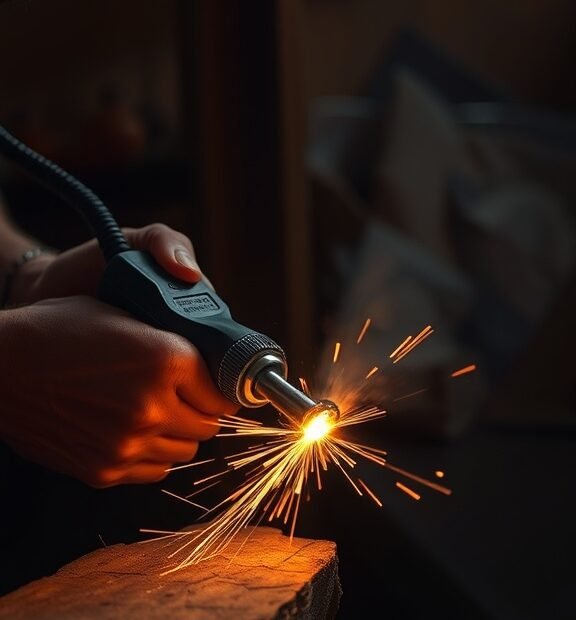
Exploring the Effectiveness of a Soldering Iron as a Wood Burner
Soldering irons are primarily designed for working with electronic components, but many people wonder if they can double as wood burners. If you’re curious about whether a soldering iron can effectively burn wood for crafts or art projects, you’ve come to the right place. This article will explore just that.
To start, a soldering iron generates heat by passing electricity through a metal tip. This tip can reach temperatures ranging from 350°F to over 800°F (175°C to 427°C). These temperatures are suitable for melting solder, but they can also be used for burning wood, albeit with some caveats.
Here are some key considerations to keep in mind:
- Temperature Control: Unlike a dedicated wood burner, many soldering irons do not provide temperature control options. This can make achieving the desired burn effect more challenging. A higher temperature risks burning too deep or creating an unwanted smoky effect, while a low temperature may not effectively mark the wood.
- Tip Shape: Soldering iron tips usually come in various shapes, but they are not specifically designed for wood burning. A pointed tip may create fine lines, while a flat tip could be better for wider burns. The lack of specialized tips may limit the artistic versatility you can achieve.
- Wood Type: The type of wood you use significantly affects the results. Softer woods like pine will scorch more easily than harder woods like oak. Experimenting with different wood types can produce various effects if you get the soldering iron’s temperature just right.
- Purpose of Use: Consider why you’re using a soldering iron for wood burning. While it might be a fun tool for hobbyists to try, it may not match the quality of results you’d get from a dedicated wood burner.
It’s also essential to think about safety when using a soldering iron. Here are some safety tips you should follow:
- Always work in a well-ventilated space to avoid inhaling smoke from burning wood.
- Wear safety glasses to protect your eyes from sparks or splintering wood.
- Keep a fire extinguisher or a bucket of water nearby in case of emergencies.
- Use heat-resistant gloves to protect your hands from accidental burns.
Many woodburning enthusiasts prefer using dedicated wood-burning tools because of their precision and control. Specialized wood-burning tools often come with adjustable temperature settings and various interchangeable tips that allow for intricate designs and patterns. So, while you can use a soldering iron as a makeshift wood burner, it may not provide the level of finesse and detail that a dedicated wood burning tool can offer.
Another thing to consider is the thickness of the wood. Thicker pieces require more heat and time for successful burning. This aspect of working with your soldering iron can lead to frustration because achieving an even burn can be challenging. Plus, as the wood absorbs the heat, you might find yourself waiting longer than you’d like to see the desired effects.
For those looking to dip their toes into wood burning without investing much money, a soldering iron can serve as a starting point. It allows you to experiment and figure out if this hobby might appeal to you before committing to more expensive tools. Start with simple designs and basic techniques, and you can gradually transition to specialized equipment if you find yourself enjoying the craft.
Despite its limitations, a soldering iron can be a fun and creative tool for the DIYer at heart. It’s an alternative that can create simple designs and decorative pieces. Just keep in mind that while it’s feasible to use a soldering iron as a wood burner, it may not be the ideal solution for all your woodburning projects.
Always remember to exercise caution and prioritize safety while experimenting. If you find that you’re enjoying the intricate world of wood burning, consider investing in a quality wood burning tool. It could open up a realm of creative possibilities you haven’t yet explored!
Essential Tips for Using a Soldering Iron in Wood Burning Projects
If you’re considering a unique way to add artistry to your woodworking or craft projects, you might be wondering whether you can use a soldering iron for wood burning. The truth is, a soldering iron can indeed function as a wood burner if used correctly. Here are essential tips for effectively using a soldering iron in wood burning projects.
First, ensure you choose the right soldering iron for the job. A soldering iron with a fine tip is ideal for intricate designs and detailed work. The standard tips that come with soldering irons can be too bulky for detailed wood burning, so consider purchasing specialized wood burning tips that can easily attach to your soldering iron. These tips will help you achieve various line widths and textures.
Before diving into your project, it’s crucial to prepare your wood. Select a smooth, untreated piece of wood to ensure even burning. Woods like basswood or birch are fantastic choices, as they burn smoothly and easily. Always sand the surface with fine-grit sandpaper to eliminate any rough spots or splinters, as this will provide a clean canvas for your artwork.
Here are some key steps to follow in your wood burning project:
- Set Up Your Workspace: Ensure you are working in a well-ventilated area with a flat, stable surface. Having your materials organized will help you avoid clutter and stay focused.
- Temperature Control: Heat your soldering iron and allow it to reach its optimum temperature. If your iron has adjustable temperature settings, start at a lower temperature and increase as needed. This way, you will have more control over the burn depth.
- Practice First: If you’re new to wood burning, practice on a scrap piece of wood first. Test various techniques to understand how the soldering iron interacts with the wood grain.
- Use Steady Hands: When you start burning the design into the wood, keep your hand steady and apply even pressure. Allow the iron to glide over the surface rather than pressing too hard, which can cause burns to become too deep or uneven.
- Create Various Effects: Experiment with different techniques to create shading and textures. For instance, holding the tip at different angles or varying the speed of your movements can yield diverse results.
- Take Breaks: Working continually can lead to fatigue, which may compromise your accuracy. Take short breaks to refresh your focus.
As you progress in your wood burning project, be mindful of how the wood reacts to heat. Every type of wood will burn differently, which is why it’s essential to adjust your technique based on your material. Not only does this require constant adjustments, but it also allows for creativity and exploration in your work.
Another helpful tip is to sketch your design onto the wood before you start burning. Use a light pencil to draw outlines, which can guide you as you work with the soldering iron. If you make a mistake, don’t worry! You can usually sand off any unintended marks before continuing your design.
Safety is also a major consideration when working with a soldering iron. Always wear safety goggles to protect your eyes from any potential burns or splinters. Keeping a fire extinguisher or a bowl of water nearby is also advisable in case of any accidental ignitions. Additionally, always take care when handling the hot tip of the soldering iron, as it can cause severe burns.
When your design is complete, you might want to enhance the finished piece. Applying a wood finish can protect your artwork and bring out the natural beauty of the wood grain. Choose a non-toxic finish to maintain the integrity of your work and ensure safety, especially if your project will be around children or pets.
Using a soldering iron for wood burning can be an enjoyable and creative way to enhance your woodworking projects. By selecting the right tools, preparing your materials properly, and following safety protocols, you will open up a whole new world of artistic possibilities. Happy burning!
Conclusion
Utilizing a soldering iron as a wood burner can be a practical solution for those who want to explore wood burning without investing in specialized equipment. This tool is effective for creating various designs and patterns on wood, allowing you to unleash your creativity. However, to achieve the best results, it’s vital to understand how to use a soldering iron correctly. By selecting the right tip and temperature, you can control the depth and darkness of your burn, giving you greater flexibility in your artistic endeavors.
Remember to practice on scrap wood before committing to your final piece. This will help you gauge how the soldering iron interacts with different types of wood and allows you to refine your technique. Safety should also be a priority; always work in a well-ventilated area and consider wearing protective gear to shield yourself from any smoke or accidental burns.
Whether you’re a beginner exploring a new hobby or a seasoned artisan looking for a cost-effective alternative, a soldering iron can open up a world of possibilities. By implementing the tips discussed, you can effectively harness this tool’s potential for wood burning, creating unique and stunning works of art that showcase your personal style. So, don’t hesitate to dive in, experiment, and have fun with your wood burning projects using a soldering iron. Your creative journey awaits!