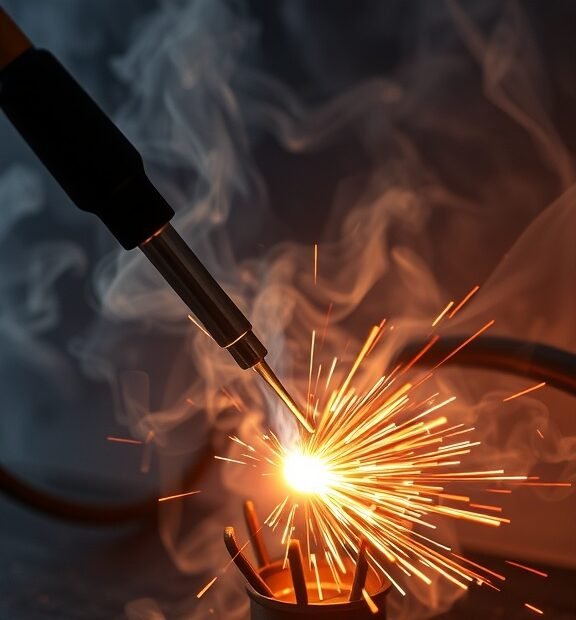
Do Soldering Irons Smoke? Understanding Causes and Safety Precautions
When using soldering irons, you might notice a wisp of smoke rising during your projects. This phenomenon can be surprising or even alarming for many, prompting the question: do soldering irons smoke? Yes, they can, but understanding why and how to manage the situation is crucial for both your safety and the quality of your work.
Soldering irons produce smoke primarily due to the heat they generate. The temperature of a soldering iron can reach up to 400°C (about 752°F). At such high temperatures, substances like solder and flux, which are essential for the soldering process, can vaporize. Here are the main reasons you might see smoke while using your soldering iron:
- Flux Burning Off: Most solder contains a flux core, which helps to clean the surfaces and allows for better solder flow. When heated, the flux can burn and smoke, especially if the iron is too hot.
- Debris on the Tip: If the tip of your soldering iron has accumulated dirt or burnt flux, it can produce smoke when heated. It’s vital to keep your iron tip clean to prevent this from happening.
- Improper Temperature Settings: A soldering iron set at an unnecessarily high temperature can lead to excessive smoking. It’s best to adjust your iron to the appropriate temperature for the solder you’re using.
While some smoke during soldering can be normal, prolonged or excessive smoking may indicate a problem. If you notice a continuous smoke emission that doesn’t ease up, here are some potential causes:
Soldering Stations | Easy 60 Day Return
- Overheated Components: If your soldering iron is too hot for too long, it could damage the components you are working on, leading to possible short circuits or burns.
- Low-Quality Solder: Some solders, particularly those not designed for electronics, can produce excessive smoke. Always opt for high-quality solder suitable for your specific applications.
- Defective Soldering Iron: A malfunctioning iron may generate more heat than intended, leading to smoke. If you suspect this, consider replacing the iron or seeking professional repair.
Understanding the causes of smoke production in soldering irons is essential, but safety should always come first. Here are crucial safety precautions you should take when soldering:
- Work in a Well-Ventilated Area: Use a fan or open windows to allow smoke to dissipate quickly and reduce your exposure.
- Wear Safety Goggles: Protect your eyes from any splashes or debris that can occur during the soldering process.
- Use a Fume Extractor: Investing in a fume extractor can significantly improve your working environment by capturing harmful smoke particles.
- Keep a Fire Extinguisher Nearby: Always have a fire extinguisher close at hand to deal with any unforeseen incidents quickly.
- Regularly Maintain Your Tools: Regularly check and clean your soldering iron to ensure it operates efficiently.
After soldering, it’s also important to cool down your equipment properly. Place your soldering iron on an iron stand or a designated heat-resistant surface to prevent accidental burns or fires. Regular maintenance and correct usage of soldering tools not only improve performance but also extend their lifespan.
Soldering Stations | Easy 60 Day Return
Being aware of the reasons why soldering irons smoke can help you troubleshoot issues as they arise. If you follow the necessary precautions and best practices, you’ll enjoy a safer and more effective soldering experience. Maintaining the equipment ensures not only the quality of your soldered joints but also your overall safety while working. Knowledge and caution are your best allies in any soldering project.
Best Practices for Using Soldering Irons to Minimize Smoke Production
Using a soldering iron is essential for many electronics projects, but it can sometimes produce unwanted smoke. This smoke is often a result of burning flux or other materials. To help you minimize smoke production while soldering, follow these best practices. By implementing these techniques, you can create a safer and cleaner working environment.
Choose the Right Solder
Not all solder is created equal. When selecting solder for your project, look for types that produce less smoke. Lead-free solders tend to yield less smoke compared to their lead-based counterparts. Additionally, consider using solder that contains a low-smoke flux. This combination reduces the amount of smoke produced while you work. Remember, a clean solder material can greatly improve your experience.
Soldering Stations | Easy 60 Day Return
Work in a Well-Ventilated Area
Good ventilation is crucial when soldering. It reduces the amount of smoke you breathe in, making your workspace safer. Open windows or use fans to ensure proper air circulation. If you’re working indoors, consider investing in a fume extractor. These devices are designed to remove smoke and harmful particles from the air, allowing you to breathe easier.
Keep Your Soldering Iron Clean
A dirty soldering iron can lead to excessive smoke production. Make sure to regularly clean the tip of your soldering iron. Build-up from previous jobs can burn when heated, releasing smoke into the air. Here’s how to keep your soldering iron clean:
Soldering Stations | Easy 60 Day Return
- Use a damp sponge or brass cleaning wool to wipe the tip frequently.
- Store the soldering iron in a stand to prevent contamination.
- Replace the tip if it becomes damaged or excessively dirty.
Optimize Your Soldering Technique
Your soldering technique can impact how much smoke is produced. Here are some tips to optimize your method:
- Heat the joint quickly. Avoid keeping the soldering iron on the connection for too long, as this can cause excessive smoking.
- Apply solder directly to the joint, rather than to the soldering iron tip. This helps prevent burning the flux and minimizes smoke.
- Use the correct temperature. A soldering iron that is too hot can lead to more smoke. Most soldering tasks can be done effectively at temperatures between 350°C to 400°C (662°F to 752°F).
Select Appropriate Flux
The type of flux you use can significantly affect smoke production. Some fluxes generate more smoke than others, particularly if they contain a high resin content. Look for flux options specifically designed to produce minimal smoke. Additionally, using water-soluble or rosin-free flux can also reduce the amount of smoke generated during soldering.
Soldering Stations | Easy 60 Day Return
Monitor Your Surroundings
Your workspace can influence the amount of smoke produced during soldering. Contaminants in the area, such as dust or other materials, can get trapped in your solder joint. This can lead to additional smoke being generated. Here are some environmental considerations for optimal soldering:
- Clear any clutter or debris from your work area.
- Ensure surfaces are clean and free of contaminants.
- Consider using a mat specifically designed for soldering to minimize extra material burning.
Consider the Duration of Your Work Session
Soldering for extended periods can lead to fatigue, which may impact your technique and increase smoke production. It is advisable to take breaks, allowing you to maintain focus and proper technique, thus minimizing smoke. Schedule your soldering sessions based on complexity and duration, ensuring comfort and control throughout your work.
Soldering Stations | Easy 60 Day Return
By following these best practices, you can significantly reduce the amount of smoke produced while soldering. Focusing on your materials, technique, and work environment will contribute to cleaner, healthier soldering overall.
Remember, a clear and smoke-free workspace not only benefits you but also enhances the quality of your soldering projects. Happy soldering!
Conclusion
Understanding whether soldering irons smoke and knowing the best practices to minimize it is crucial for anyone engaged in electronics or crafting projects. When soldering, it’s common to notice smoke, which can be caused by several factors, such as the type of solder used, the temperature of the iron, and improper technique. By being aware of these causes, you can create a safer working environment and ensure better results in your projects.
Soldering Stations | Easy 60 Day Return
To minimize smoke production, follow best practices such as choosing high-quality rosin-core solder, maintaining the correct temperature, and ensuring proper ventilation in your workspace. Regular maintenance of your soldering iron is equally important. Cleaning the tip regularly will help reduce oxidation and smoke, leading to a more efficient soldering process. Additionally, using a fume extractor can help keep the air cleaner, making it safer for you and anyone nearby.
Staying mindful of these safety precautions not only helps reduce smoke but also enhances your soldering experience. By utilizing these strategies, you’ll not only improve the quality of your work but also create an environment where you can comfortably focus on your projects. Whether you’re a hobbyist or a professional, understanding how to manage soldering irons will lead to more successful and enjoyable experiences in your electronics endeavors. Remember, taking the time to implement these practices pays off in the long run, ensuring that you can solder safely and effectively.