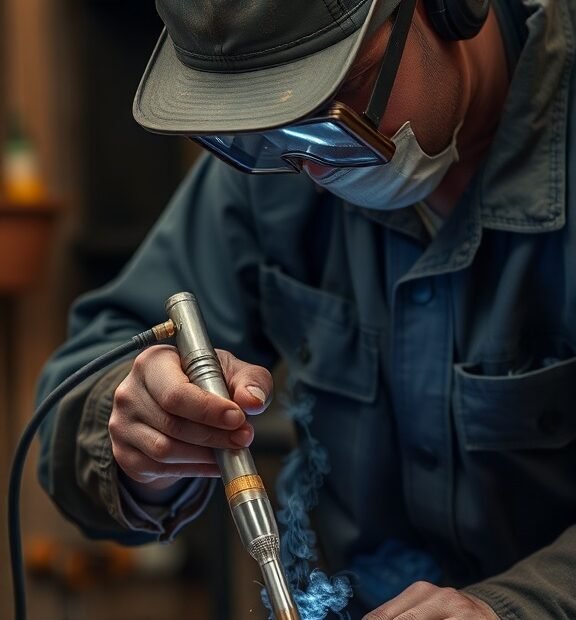
Can You Weld Copper with a Soldering Iron? Techniques and Tips
Welding copper can be a bit tricky due to its unique properties and high thermal conductivity. When people ask, “Can you weld copper with a soldering iron?”, it’s essential to clarify that soldering isn’t the same as traditional welding. While a soldering iron can effectively join copper parts, the process and intended outcomes differ significantly. In this article, we will explore how to efficiently solder copper and provide techniques and tips that may help you succeed.
Understanding the Basics of Copper Soldering
Soldering copper involves melting a filler metal, known as solder, onto copper surfaces. This process does not require the base metals to melt, which is a key characteristic that sets it apart from welding. Here are a few important points to keep in mind about soldering copper:
- Melting Point: Solder typically melts between 180°C and 450°C, whereas copper has a melting point around 1,900°C. This is why you need a soldering iron to add solder, rather than melting the copper directly.
- Applications: Soldering is commonly used in plumbing and electrical work, making it an ideal method for joining copper wires or pipes.
- Filler Metals: You can use different types of solder, such as lead-based or lead-free options, depending on your project’s requirements.
Tools Required for Soldering Copper
Before starting, gather the necessary tools. Here’s what you will need:
- Soldering Iron: Choose one with a suitable wattage (20 to 60 watts is ideal) for copper work.
- Solder: Select a quality solder that melts at a low temperature and is suitable for copper.
- Flux: A good flux helps clean the surfaces and promotes better solder flow.
- Wire Brush or Sandpaper: These will help you clean the copper pieces before soldering.
- Soldering Iron Stand: This keeps your work area safe while handing the hot iron.
Effective Techniques to Solder Copper
Here are the essential steps to solder copper effectively with a soldering iron:
- Preparation: Clean the copper surfaces thoroughly using sandpaper or a wire brush. It ensures that dirt or oxidation doesn’t interfere with the soldering process.
- Applying Flux: After cleaning, apply a generous amount of flux on the areas where you plan to solder. Flux helps to prevent oxidation and promotes better solder flow.
- Heating the Joint: Turn on your soldering iron and allow it to heat up. Place the tip of the iron on the copper joint for a few seconds to heat the metal.
- Adding Solder: Once the copper is hot enough, touch the solder to the joint instead of the iron. This allows the solder to melt and flow into the joint, creating a strong bond.
- Cooling: Let the solder cool naturally. Avoid blowing on it or using forced air to speed up the cooling process.
Common Challenges and Solutions
You might encounter some challenges while soldering copper. Here’s how to handle them:
- Poor Flow: If the solder doesn’t flow well, it could be due to insufficient heating. Ensure your soldering iron’s temperature is adequate and that the copper is clean.
- Weak Joints: If the solder joint feels weak, it may be due to movement during the cooling process. Make sure not to disturb the joint until the solder is completely solidified.
- Oxidation: If you notice the solder forming a dull or rough surface, it’s likely due to oxidation. Always ensure the copper is clean and apply flux before soldering.
While a soldering iron is not a welding tool, it can effectively bind copper when used with proper techniques and tools. Understanding the difference between soldering and welding is crucial. With these insights and strategies, you can successfully solder copper for various applications, ensuring durable and reliable connections. Remember to follow safety guidelines and work in a well-ventilated area for the best results. Happy soldering!
The Benefits of Using Soldering for Copper Connections in Crafting and Repairs
Working with copper can be both rewarding and challenging, especially when you need reliable connections for your projects. Using soldering for copper connections offers numerous benefits for crafting and repairs. This technique can provide strong, durable bonds that are essential for both aesthetics and functionality in your work.
One main advantage of using soldering for copper connections is the ease of execution. Soldering is more accessible than welding methods, requiring less specialized knowledge or equipment. With just a soldering iron, solder, and a few basic tools, you can create secure and lasting connections. This makes soldering an ideal choice for hobbyists, DIY enthusiasts, and even professionals who may not have access to welding equipment.
Another benefit is that soldering allows for precision in your work. When connecting small components, soldering gives you the control you need to apply just the right amount of solder without affecting nearby parts. This is especially important in intricate crafting projects where space is limited, and each connection needs to be accurate. The ability to work with precision means that your designs can remain clean and well-structured, which enhances the overall quality of your project.
Using soldering also creates a ‘cold joint’ effect, which is less likely to damage heat-sensitive materials compared to welding. When you weld, the heat is intense and can sometimes affect the integrity of the copper or nearby components. With soldering, the heat is localized and lower, allowing for safer connections. This is crucial when you’re working with delicate materials that can warp or change shape under high temperatures.
Durability is yet another significant advantage of soldering for copper connections. Soldered joints can withstand various stressors, including vibrations and temperature fluctuations. When done correctly, these joints can last a long time, making them suitable for both crafting projects and repairs. If you’re restoring a vintage item or making jewelry, durability of the connection is essential to maintaining the piece’s longevity.
Moreover, soldering is an excellent technique for achieving an aesthetically pleasing finish in your crafts. A well-soldered joint can be smooth and nearly invisible, which is particularly valuable in art pieces or jewelry-making. You can create visually appealing designs without bulky or unsightly connections. The ability to blend the connection into the overall design enhances the craftsmanship and adds to the overall value of your work.
Here are some additional advantages of using soldering with copper:
- Cost-Effective: Soldering equipment is typically less expensive than welding machines. You can easily find soldering irons and soldering materials at local craft stores or online, making it budget-friendly.
- Versatility: Soldering works well not only with copper but also with various other metals. If you work with multiple materials, mastering soldering can simplify your crafting process across projects.
- Easy to Learn: Beginners can quickly learn soldering techniques through online tutorials, workshops, or classes. With practice, you will develop skills that enhance your ability to make high-quality connections.
- Repairability: In the event of a joint failure, soldered connections can often be repaired with relative ease. You can reheat the joint and add new solder, making repairs faster and less complicated.
Soldering for copper connections in crafting and repairs opens up a world of possibilities. Whether you’re creating jewelry, restoring items, or building small-scale projects, soldering provides a reliable, effective, and visually appealing method for making connections. As you explore the various aspects of your craft, remember that soldering can enhance not only the function but also the aesthetic beauty of your creations. The right techniques and tools can help you build solid, beautiful pieces that stand the test of time.
Conclusion
Welding copper with a soldering iron is indeed a practical approach for many DIY enthusiasts and craftsmen. By mastering the right techniques, you can create strong and reliable connections that serve various purposes—from repairs to intricate crafting projects. The process involves using a soldering iron to heat the copper pieces sufficiently, allowing the solder to flow between them and create a sturdy bond.
The benefits of using soldering for copper connections cannot be overstated. Not only is soldering accessible for beginners, but it also allows for precise control over the amount of heat applied, minimizing the risk of damaging the copper. This method is especially advantageous for smaller jobs, where traditional welding tools may be too cumbersome or unnecessary.
Additionally, soldering provides a cleaner finish, which is essential for crafting and detailed projects. With the right technique, you can achieve beautifully crafted pieces without the excessive clean-up often required after more invasive welding methods. The process is cost-effective, requiring minimal equipment while delivering professional-quality results.
Whether you are repairing a copper tube, creating art pieces, or simply experimenting with materials, soldering opens up a world of creativity and functionality. By embracing soldering as a reliable technique for copper, you can enhance your skills and enjoy the satisfaction of completing projects that require strong connections. As you gain more experience, you’ll discover even more ways that soldering can benefit your crafting and repair endeavors, making it an essential tool in your toolkit.