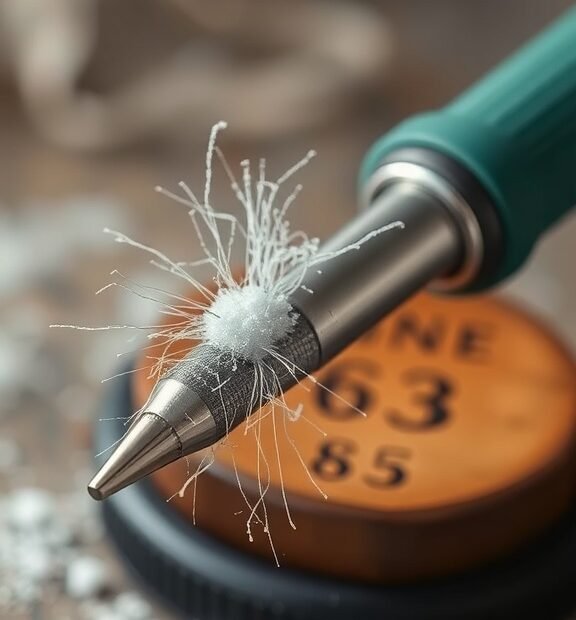
Cleaning Methods for Soldering Irons: Can You Use Steel Wool?
Keeping your soldering iron clean is essential for achieving high-quality solder joints and prolonging the life of your tool. You might wonder, can you use steel wool to clean a soldering iron? The answer isn’t straightforward, as there are both benefits and risks to using steel wool for this purpose. Understanding the right methods for cleaning your soldering iron can help you make an informed choice.
First, let’s consider why cleaning your soldering iron is important. Over time, soldering iron tips can accumulate oxidation and debris from solder. This contamination can lead to poor heat transfer, which results in weak solder joints. Regular cleaning ensures your soldering iron operates efficiently, making your tasks easier and improving your work quality.
Using steel wool is an option many people consider because of its abrasive nature. Steel wool is excellent for removing stubborn buildup on surfaces. However, with its use, there are several factors you need to keep in mind:
- Abrasiveness: Steel wool can scratch the tip of your soldering iron. If the tip is made of soft metal, this could lead to quicker wear and tear, affecting its performance.
- Residue: Steel wool can leave behind tiny particles on the tip of your soldering iron. These particles can melt and mix with solder, creating contamination in your solder joints.
- Type of soldering iron: If your soldering iron has a non-stick coating, using steel wool can damage this coating, leading to more problems.
If you’re considering using steel wool to clean your soldering iron, it’s essential to assess the condition of your soldering iron tip. If your iron is heavily corroded, and you decide to proceed with steel wool, ensure you choose fine-grade steel wool to minimize damage.
However, many experts recommend alternative cleaning methods that are less abrasive and more effective. Here are some safer and highly effective cleaning methods:
- Sponge or Damp Cloth: A wet sponge or cloth can be used to wipe your soldering iron tip while it’s hot. This method effectively removes oxidized solder and debris without causing damage.
- Brass Wire Brush: Using a brass wire brush is a popular choice among professionals. The brass is soft enough not to damage the iron’s tip yet can remove oxidation effectively.
- Soldering Iron Tip Cleaner: Specialized soldering iron tip cleaners are available, often in the form of a gel or paste. These cleaners can lubricate and clean the tip, prolonging its lifespan.
- Tip Tinning: After cleaning your soldering iron, remember to tin the tip with fresh solder. This practice helps prevent oxidation and keeps the tip in good working condition.
Many hobbyists and professionals have their preferences. If you rely on a soldering iron frequently, consider investing in a soldering station with a dedicated cleaning sponge or brass cleaning pad. This ensures that you have the right tools available to maintain your soldering iron effectively.
When cleaning your soldering iron, it’s also essential to follow best practices. Always ensure it’s powered off and cooled down before handling it if you’re performing an in-depth cleaning. Regular cleaning should be part of your maintenance routine to avoid buildup and extend the life of your tool.
Ultimately, while you can use steel wool to clean a soldering iron, it is not always the best choice. There are safer alternatives that can provide you with better results without risking damage to your tool. Engaging in regular cleaning practices combined with the right tools will help you maintain your soldering iron, ensuring that it serves you well for years to come.
By understanding the pros and cons of using steel wool and exploring better alternatives, you can ensure your soldering iron remains in peak condition, ready for any project you take on.
Alternatives to Steel Wool for Maintaining Your Soldering Iron
Maintaining a soldering iron is essential for achieving optimal soldering results, as a clean tip ensures effective heat transfer and prevents oxidation. While many people might reach for steel wool to clean their soldering iron, there are several other alternatives that can be just as effective and sometimes even safer. Here’s a look at some top methods for keeping your soldering iron in peak condition without resorting to steel wool.
Brass Sponge
A brass sponge can be a fantastic alternative to steel wool. These sponges are made of fine brass wires woven together, providing a gentle scrubbing action without causing damage to your soldering iron’s tip. They remove oxidation and debris while leaving a smooth surface. The key is to make sure the brass sponge is kept clean, as a dirty sponge can transfer residue back onto your soldering iron.
Wet Sponge
Using a wet sponge is one of the most common methods for cleaning soldering iron tips. Simply dampen a cellulose sponge and wipe the tip while it’s hot. This method helps remove solder residue and oxidation without scratching or damaging the tip. It’s important to ensure that the sponge isn’t dripping wet, as excess water can lead to thermal shock and potentially damage the soldering iron.
Tip Tinners
Tip tinners are specialized compounds designed to clean and tin the soldering iron tips. They usually come in a paste or solid form and contain soldering flux along with other chemical components. When you touch the hot tip of the iron to the tip tinner, it helps remove oxidation and restores the tip’s surface coating. This method not only cleans but also re-tins the tip, enhancing its performance.
Sandpaper or Files
Using fine-grit sandpaper or metal files offers another alternative. While this method requires a bit more caution, it can be effective for heavily oxidized soldering iron tips. Gently rub the sandpaper or file against the tip to remove oxidation. Be careful not to overdo it, as excessive sanding can reduce the tip’s lifespan.
Cleaning Kits
A soldering iron cleaning kit usually contains everything you need for maintenance, including cleaning agents, brass sponges, and tip tinners. These kits are a great investment if you frequently use your soldering iron, as they provide various options for tip care in one convenient package. Having a dedicated kit ensures that you have the right tools handy at all times.
Paper Towels or Cloth Rags
While not the most effective method for heavy oxidation, using a clean paper towel or cloth rag can be useful for quick touch-ups. Wiping the tip while it’s hot helps remove fresh solder and oxidation. This method is best used in conjunction with other cleaning techniques for optimal results.
Maintaining the Soldering Iron Beyond Cleaning
To extend the life of your soldering iron, consider these additional tips:
- Tinning the Tip: After cleaning, always apply a small amount of solder to the tip to protect it from oxidation.
- Store Properly: When not in use, store the soldering iron in a safe place and consider using a protective cover for the tip.
- Avoid Excessive Heat: Overheating the iron can accelerate tip wear. Use the lowest effective temperature for your soldering tasks.
By exploring these alternatives to steel wool, you can keep your soldering iron clean, functional, and ready for any project that comes your way. Each method has its benefits, so feel free to experiment and find the best cleaning routine that suits your needs.
Regular maintenance not only helps you achieve better soldering results but also saves you money in the long run by prolonging the lifespan of your soldering iron. Choose the method that works best for you and enjoy the benefits of a well-maintained tool!
Conclusion
Using steel wool to clean a soldering iron can be tempting due to its abrasive qualities, but it comes with significant risks. While it is effective in removing stubborn oxidation and residue, it can also damage the soldering iron’s tip, leading to decreased performance and a shorter lifespan. Considering the costs involved in replacing a soldering iron, it is crucial to choose cleaning methods that ensure longevity and effectiveness.
Fortunately, there are several alternatives to steel wool that can help maintain your soldering iron without the drawbacks. Brass wool is a gentle option that cleans effectively while preserving the integrity of the soldering tip. A damp sponge is another simple yet effective tool for keeping your soldering iron clean; it’s ideal for quick wipes during projects. Additionally, specialized soldering iron cleaning stations are available, which offer both efficiency and safety, ensuring minimal wear on the iron tip.
Ultimately, the aim is to keep your soldering iron in top condition, ensuring that your projects are successful. By opting for safer cleaning alternatives, you can not only maintain the effectiveness of your iron but also promote its durability over time. Remember, a clean soldering iron is essential for quality work, and choosing the right cleaning method can make all the difference. Prioritize protective techniques and keep your metal tools performing their best for all your soldering needs.