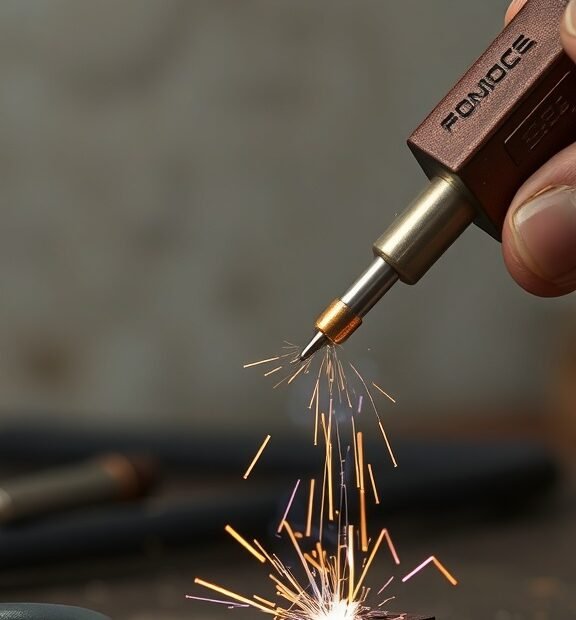
Exploring the Use of a Soldering Iron for Welding: Is it Effective?
When considering different welding techniques, many people wonder, “Can you use a soldering iron to weld?” Although soldering and welding are often confused, they serve different purposes and utilize different techniques. However, this question opens the door to understanding the capabilities of a soldering iron and its limitations when it comes to welding. This overview explores how soldering irons work and whether they can be an effective choice for welding.
Soldering is a process typically used to join electrical components. It involves melting a filler metal, called solder, which has a lower melting point than the materials being joined. In contrast, welding generally requires a much higher temperature to melt the base materials to create a strong, permanent bond. The primary difference is that soldering does not melt the base materials, while welding does. So, can you effectively use a soldering iron for welding tasks? Let’s break it down.
What a Soldering Iron Can Do
A soldering iron is designed for precision jobs, particularly in electronics. Here are some tasks where a soldering iron excels:
Soldering Stations | Easy 60 Day Return
- Joining Components: Perfect for soldering wires and circuit board components.
- Quick Repairs: Great for fast fixes in electronic devices, ensuring electrical connection without excessive heat.
- Detail Work: Ideal for projects requiring precision and control, such as jewelry making or small-scale repairs.
Limitations of Soldering for Welding
While soldering irons are useful for specific tasks, they have distinct limitations when it comes to welding:
- Low Temperature: Most soldering irons operate at temperatures between 350°F and 900°F (177°C to 482°C). This is far lower than the temperatures needed for welding metals, which often exceed 1,300°F (704°C).
- Weak Joints: The joints created by soldering are generally not as strong as welded joints, making them unsuitable for high-stress applications.
- Material Compatibility: A soldering iron is best for non-ferrous metals like copper. Welding usually involves ferrous metals or stronger metal alloys.
When Might a Soldering Iron Be Used for Welding?
Although it’s generally not advisable to use a soldering iron for actual welding, there are specific situations where it can be suitable:
Soldering Stations | Easy 60 Day Return
- Soft Metals: If you’re working with soft metals or in specialized applications like hobby projects or small crafts, a soldering iron might suffice for light joining tasks.
- Temporary Fixes: In some circumstances, soldering can work as a short-term solution until a more robust welding method can be applied.
- Non-Structural Applications: For joints that do not bear heavy loads, like low-stress connections, soldering might work adequately.
Choosing the Right Tool for the Job
It’s essential to select the appropriate tool based on your project requirements. Here are some key factors to consider:
- Material Type: Determine what materials you’ll be joining. This will dictate whether soldering, welding, or another method is better.
- Strength Requirements: Assess the strength needed for the joint. If it’s critical, welding is usually the better choice.
- Long-term vs. Short-term: If the connection is long-lasting, welding becomes necessary to ensure durability.
Using a soldering iron for welding is not typically effective or recommended for most scenarios. While it can serve limited purposes in specific contexts, it is crucial to recognize the strengths and weaknesses of both soldering and welding. When in doubt, opt for the method that best aligns with the demands of your project. Understanding these distinctions will help you make more informed choices and achieve better results in your work.
Comparing Welding Techniques: Soldering Iron vs. Traditional Welding Methods
When it comes to joining metals together, you have a few options at your disposal. Among these, two popular methods are using a soldering iron and traditional welding techniques. Each has its unique advantages and challenges, making it essential to grasp their differences. If you’re wondering whether a soldering iron can replace traditional welding methods, this analysis will help clarify these two techniques.
Soldering Stations | Easy 60 Day Return
Understanding Soldering Iron
A soldering iron is primarily used in electronics and smaller metalwork projects. It heats up to melt a filler metal, usually solder, to join electrical components or pipes. Some key attributes of soldering include:
- Temperature: Soldering irons typically operate at lower temperatures, usually between 350°F to 500°F (about 180°C to 260°C).
- Materials: Most often, soldering involves joining non-ferrous metals like copper, brass, or silver.
- Skill Level: Many find soldering to be more beginner-friendly compared to welding, as it requires less physical strength and technique.
Exploring Traditional Welding Techniques
On the other hand, traditional welding methods encompass various techniques like MIG, TIG, and stick welding. These methods use high heat to melt the base metals and filler material, if necessary. Here are some characteristics of traditional welding:
Soldering Stations | Easy 60 Day Return
- Temperature: Welding operates at much higher temperatures, often exceeding 1,000°F (about 540°C).
- Material Versatility: Welding can join a wider variety of metals, including carbon steel, stainless steel, and aluminum.
- Skill and Equipment Requirements: Welding typically requires specialized equipment and a higher skill level, which may involve certifications for certain techniques.
Comparative Strength and Use Cases
When comparing the strength of the joints created by each method, traditional welding generally creates a much stronger bond than soldering. This is particularly true for metal fabrication in construction or automotive applications where durability is paramount. Here are a few common use cases for each method:
- Soldering Iron:
- Electronics assembling, such as circuit boards.
- Small plumbing repairs involving copper pipes.
- Crafts and jewelry making.
- Traditional Welding:
- Structural components in buildings.
- Auto body repairs and fabrication.
- Heavy machinery and equipment repairs.
Cost and Equipment Considerations
The cost of the equipment and the overall process is another important factor. A soldering iron is significantly less expensive than traditional welding setups, which usually require various tools like welding machines, gas supplies, and safety gear. However, consider these points:
Soldering Stations | Easy 60 Day Return
- Initial Investment: A basic soldering iron can cost as little as $20, while welding machines may start at a few hundred dollars.
- Ongoing Costs: While soldering may save initial costs, for extensive and heavy-duty projects, traditional welding may prove more economical over time, given its durability.
Safety Aspects
Safety is a critical consideration in both soldering and welding. With soldering, risks include burns and inhaling fumes from melting solder. Always ensure good ventilation. Welding introduces higher dangers, involving more extreme heat, sparks, and ultraviolet light exposure. Use of protective gear like helmets, gloves, and aprons is vital. Here’s a brief comparison:
- Soldering Iron: Mild burns and fume inhalation.
- Traditional Welding: Severe burns, electric shock, exposure to harmful light and fumes.
While a soldering iron can achieve excellent results for small-scale projects, it cannot compete with the strength and versatility of traditional welding. Choosing between the two methods largely depends on the project requirements, the materials you are working with, and your own skill levels. Understanding these differences can help ensure you select the most appropriate technique for your needs. Whether you’re soldering wires together or welding beams for a construction project, knowing your tools and methods is key to achieving the best results.
Conclusion
Using a soldering iron for welding can be both advantageous and limiting, depending on the application. While a soldering iron excels in smaller-scale jobs, such as electronics and hobbyist projects, it falls short in durability and heat application when compared to traditional welding methods. Understanding the strengths of both approaches allows you to make informed choices for your specific project needs.
Soldering Stations | Easy 60 Day Return
When comparing a soldering iron to conventional welding techniques, there are key factors to consider. A soldering iron is ideal for tasks requiring precision in delicate materials, where traditional welding could cause damage. Its portability and ease of use make it a go-to for beginners or those working on small crafts. However, if you’re tackling heavy metals or structural frameworks, traditional welding provides the necessary strength and heat for a secure bond.
Whether you opt for a soldering iron or traditional welding methods largely depends on the materials you’re working with and the project’s requirements. For heavier work, investing in a welder is advisable for a lasting and robust result. However, for lighter materials, a soldering iron can provide a neat and efficient solution, perfect for many DIY and repair tasks.
Soldering Stations | Easy 60 Day Return
Ultimately, the best choice hinges on your project’s scope, the materials at hand, and your comfort level with the tools. Knowing when to use a soldering iron versus when to switch to welding can enhance your skills and improve the quality of your work, allowing you to tackle a wider range of tasks with confidence.