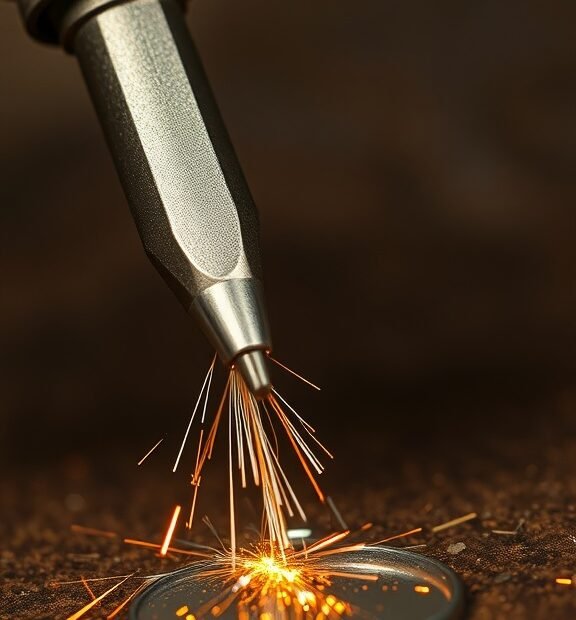
The Effectiveness of Using a Soldering Iron for Silver Soldering
Using a soldering iron for silver soldering can be an intriguing option for jewelry makers and hobbyists alike. Many may wonder if a soldering iron delivers the same results as traditional methods. Let’s delve into the effectiveness of using a soldering iron for this specific purpose.
First, it’s essential to understand what silver soldering entails. Silver soldering is a process that involves fusing pieces of metal, typically silver, together using a filler metal that has a lower melting point than that of the pieces being joined. When it comes to soldering, traditional torches are often preferred, but soldering irons have their place as well.
Here are some key considerations when using a soldering iron for silver soldering:
- Temperature Control: Soldering irons typically operate at lower temperatures than a gas torch, which can be both an advantage and a disadvantage. The lower temperature means there’s less risk of overheating the metal, but it can also result in insufficient heat to melt the solder properly.
- Ease of Use: Soldering irons are generally easier to use than torches. For beginners, a soldering iron can be more approachable, as it requires less setup and is safer to handle.
- Portability: Soldering irons are portable and can be used in various settings without needing gas. This can be particularly useful for hobbyists who may not have access to a compressed gas source.
- Accessibility: Many people already own soldering irons, making them a cost-effective option for small projects without needing to invest in additional equipment.
However, there are limitations when using a soldering iron for silver soldering. One major concern is the heat distribution. Unlike a torch that can provide a concentrated flame, a soldering iron heats a localized area. This can make it challenging to effectively join larger pieces or intricate designs where even heating is crucial.
Another point to consider is the type of solder used. For silver soldering, having the right solder is vital. Silver solder is designed to melt at a specific temperature, and you must ensure your soldering iron can reach this temperature. If you’re using low-melting-point silver solder, you may successfully use a soldering iron. However, higher melting point silver solder may be more difficult to work with using just an iron.
Moreover, the flux used can also impact the effectiveness of this technique. When using a soldering iron, suitable flux is essential to prevent oxidation and ensure a clean joint. Using the correct type and amount of flux will significantly influence your results, helping the solder flow smoothly.
In practice, many have found success using soldering irons for smaller applications or repairing minor items. For example, if you’re creating delicate silver jewelry pieces or intricate designs that don’t require significant heat, a soldering iron might work well for you. Just lay the silver pieces properly, apply flux, and then use your soldering iron to melt and connect the solder.
When deciding whether to use a soldering iron for silver soldering, consider your project’s requirements and your skill level. If you’re just getting started and working on small repairs, this may be an excellent option. But if you’re undertaking more complex projects requiring great precision and larger joints, investing in a torch may yield better results.
Here are some tips for optimizing your soldering iron experience:
- Choose a soldering iron with adjustable temperature settings.
- Use a suitable silver solder and flux for your specific project.
- Practice on scrap metal before starting your actual project to gain confidence.
- Make sure to clean and prepare your silver surfaces properly for the best bond.
In the end, using a soldering iron for silver soldering can be effective for specific projects and users. By understanding its benefits and limitations while practicing proper techniques, you can create beautiful silver pieces with ease.
Common Mistakes to Avoid When Soldering Silver with a Soldering Iron
When embarking on the journey of soldering silver, especially using a soldering iron, it’s essential to be aware of common pitfalls that can arise. Silver soldering is a delicate process, and mistakes can lead to unsatisfactory results or even damage to your materials. Whether you’re a DIY enthusiast or a seasoned craftsman, avoiding these common mistakes will enhance your soldering skills and yield better outcomes.
Choosing the Wrong Solder
One of the first mistakes is selecting the incorrect type of solder. Silver solder comes in various forms, such as hard, medium, and easy solder. If you use a type that has a melting point that’s too high or too low for your specific application, you may struggle to create a strong bond. Always choose a solder that matches the silver you’re working with for optimal results.
Neglecting Proper Cleaning
Before you begin soldering, make sure that both the surfaces to be joined are clean and free of any dirt, grease, or oxidation. Failure to adequately prepare the metal can result in poor adhesion. Use a polishing cloth or a fine grit sandpaper to clean the surfaces, and consider using a flux to help improve the solder’s flow.
Incorrect Temperature Settings
Setting the wrong temperature on your soldering iron can lead to disaster. An iron that’s too hot can burn your silver, while one that’s not hot enough won’t melt the solder effectively. Aim for a temperature that is just enough to melt the solder but not excessively high to damage your pieces. Testing the iron’s temperature on a scrap piece of silver can help you find the sweet spot.
Holding the Soldering Iron Incorrectly
How you hold your soldering iron can affect your control over the melt and flow of the solder. Ensure you grip the iron like a pen, keeping it steady and allowing for precision. Avoid pressing too hard or moving too fast; rather, use gentle, deliberate movements to guide the soldering process.
Overusing Flux
While flux is important in preventing oxidation during the soldering process, using too much can create a mess. Excessive flux can hinder the solder’s ability to bond properly. Instead, apply just enough to create a thin layer on the surfaces. This will help the solder flow without overwhelming your workpiece.
Ignoring Safety Precautions
Always prioritize safety when soldering. Many newcomers overlook protective gear, such as goggles and gloves. The fumes from solder and flux can be harmful, so working in a well-ventilated area is crucial. Neglecting these precautions can lead to health hazards, making safety an essential part of the process.
Failing to Control Solder Flow
Controlling how the solder flows is a vital part of the soldering process. If you pour too much solder or not enough, you may create weak joints. Practicing on scraps can help you develop a sense of how much solder is necessary for different connections. Use small increments of solder, and gradually add more as needed, ensuring a neat and sturdy finish.
Not Allowing Proper Cooling Time
Once you finish soldering, it’s tempting to disturb the piece immediately. However, allowing adequate cooling time is critical. If you move a piece while the solder is still hot, you risk creating a weak bond or misaligning your materials. Simply set the piece down and allow it to cool naturally for the best results.
Skipping the Test Run
One common mistake is diving straight into your project without a practice run. Testing on scrap pieces first can help you gauge the temperature settings, solder flow, and overall handling of your tools. This practice can bolster your confidence and ensure better results with your actual project.
Not Inspecting Your Work
After soldering, it is crucial to inspect the joint carefully. Look for gaps, discoloration, or other signs that the solder didn’t flow correctly. Making necessary corrections before moving on to the final finish can save you time and hassle in the long run.
By keeping these common mistakes in mind, you can refine your silver soldering skills significantly. Each step in the soldering process is essential for achieving a strong, aesthetically pleasing outcome. Remember to maintain focus, practice patience, and embrace the learning curve inherent in mastering the art of soldering silver with a soldering iron.
Conclusion
Using a soldering iron to solder silver can be effective if done correctly, but it’s essential to understand the nuances of the process. It may not be the first tool that comes to mind for silver soldering, but with the right technique, you can achieve quality results. Remember that silver soldering typically requires a higher temperature than what most soldering irons can deliver. However, if you’re working with soft solder, a soldering iron can suffice for simpler repairs or small projects.
Avoid common mistakes to ensure a successful soldering experience. One of the biggest pitfalls is not properly cleaning your materials. Silver should be free of oxidation and dirt to create a strong bond. Failing to use the right solder can also lead to poor outcomes; make sure to select solder specifically made for silver. Additionally, managing heat is crucial. Overheating can damage your silver piece, while insufficient heat can result in a weak joint.
As you embark on your silver soldering journey, keep these tips in mind. Practice will refine your skill and increase your confidence. Whether you are a hobbyist or a professional, approach each project with patience and care, and you will find success in soldering silver with a soldering iron. Embrace the learning curve, and don’t shy away from experimenting—it’s all part of mastering this valuable craft!