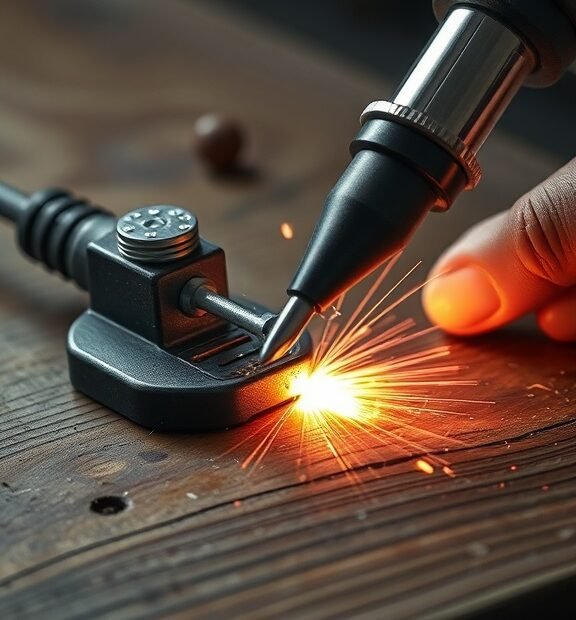
Can You Use a Soldering Iron on Wood? Tips and Techniques
When exploring the art of woodworking, many crafters and hobbyists may wonder if they can use a soldering iron on wood. The short answer is yes, but with some crucial considerations. A soldering iron isn’t traditionally used for woodwork; however, it can be an effective tool for specific applications like burning designs or joining parts together. Here, we will discuss various tips and techniques for using a soldering iron on wood effectively and safely.
Understanding the Soldering Iron
A soldering iron is typically designed for melting solder to create electrical connections. It operates at high temperatures, often exceeding 350°C (662°F). When using it on wood, it’s important to understand that this tool can easily burn or damage your project if not handled correctly.
Essential Tips for Using a Soldering Iron on Wood
- Choose the Right Tip: Most soldering irons come with interchangeable tips. For wood projects, choose a chisel-shaped or fine point tip. This will allow for more control and precision in your work.
- Temperature Control: If your soldering iron has adjustable temperature settings, start at a lower temperature. This will help you avoid scorching the wood. Gradually increase the heat as needed, but keep it manageable.
- Practice on Scrap Wood: Before jumping into your main project, practice on scrap pieces of wood. This will help you get a feel for how the soldering iron affects the material and allow you to test various techniques.
- Work in Short Bursts: Apply the soldering iron to the wood in short bursts. Prolonged contact can lead to burning or damaging the wood’s structure, so short applications will help maintain control.
- Use a Wood Grain Pattern: If you plan to create designs or patterns, consider following the natural wood grain. This can enhance the aesthetic and make your designs stand out.
Applications of Soldering Iron on Wood
There are several creative applications where a soldering iron can be beneficial for woodwork:
- Wood Burning: Using a soldering iron as a pyrography tool can create stunning art on wood. By drawing patterns or images, you can achieve unique decorative designs.
- Joining Wood Pieces: Although not its primary function, a soldering iron can melt wood glue more effectively for quick repairs on wooden items.
- Engraving: By controlling the temperature and pressure applied, you can create engraved messages or designs. This is a great way to personalize gifts and wooden projects.
Safety Precautions
Safety is paramount when using a soldering iron on wood. Here are some important safety tips:
- Work in a Well-Ventilated Area: Fumes may arise during the heating process, especially when working with certain wood types. Always ensure you have adequate ventilation to avoid inhaling harmful particles.
- Wear Protective Gear: Safety goggles and heat-resistant gloves are essential to protect yourself from accidental burns or damage.
- Keep Water Nearby: Having a container of water close by can help quickly extinguish any small fires that may occur during your work.
- Disconnect When Not in Use: Once you finish your project, always unplug the soldering iron to prevent accidents.
Final Thoughts
Using a soldering iron on wood can open up a variety of creative possibilities, from wood burning artistry to practical repairs. By keeping safety guidelines in mind and practicing the right techniques, you can effectively incorporate this tool into your woodworking projects. Remember that patience and practice are key to mastering the use of a soldering iron, so take your time and enjoy the process!
Comparing Soldering Irons and Woodburning Tools for Artistic Projects
When it comes to artistic projects involving wood, choosing the right tool can significantly impact your final product. Many artists and makers often find themselves torn between two popular instruments: soldering irons and woodburning tools. Understanding the differences and applications of each can help you decide which is best for your creative endeavors.
Tool Overview
Both soldering irons and woodburning tools share similarities in design but serve different purposes. A soldering iron is primarily used for joining metal pieces together by melting solder, while a woodburning tool is specially designed for engraving or decorating wood surfaces.
Soldering Iron: Key Features
- Heat Settings: Many soldering irons come with adjustable temperature controls, allowing you to fine-tune the heat based on the materials you are working with.
- Tip Shapes: These tools offer various tip configurations, from fine points to broader ones, suitable for different types of work.
- Speed: Soldering irons heat up quickly, allowing you to complete projects faster if you are using them for wood art.
- Price Point: Generally, soldering irons are more affordable than high-end woodburning tools.
Woodburning Tool: Key Features
- Specialty Tips: Woodburning tools come with a variety of tips tailored for different textures and designs, which can create intricate patterns.
- Lower Heat: These tools often operate at lower temperatures, which is ideal for slowly burning designs into wood without damaging the material.
- Ease of Use: Designed specifically for wood, these tools provide a familiar grip and balance that can enhance your artistic control.
- Detailed Artwork: Woodburning tools excel at producing detailed work, making them a favorite among hobbyists and professional woodworkers alike.
Application Differences
When it comes to artistic projects, the applications of soldering irons and woodburning tools differ significantly. If your goal is to create beautiful designs or illustrations on the surface of wood, a woodburning tool is undoubtedly the better choice. The specialized tips can create varying depths and shades, providing a richer texture than you might achieve with a soldering iron.
However, if your artistic project involves mixed media that includes metal alongside wood, a soldering iron may be your best bet. You can join metal pieces while also working on wood, providing you with the versatility to combine different elements within a single project.
Techniques and Tips
Here are some techniques and tips for using each tool effectively:
Using a Soldering Iron
- Try using the fine tip for detailed work on smaller areas or for creating thin lines.
- Practice controlling your speed; too slow can burn, while too fast may not create the desired effect.
- Experiment with different soldering wire thicknesses to see how they affect your designs.
Using a Woodburning Tool
- Start with a cooled tool to practice on scrap wood before working on your final project.
- Use a light touch; pressing too hard can result in unwanted deep burns.
- Combine shading techniques by varying your speed and the angle at which you hold the tool.
Final Thoughts
Both soldering irons and woodburning tools have their place in the world of artistic wood projects. The best tool for you depends on the nature of your work and the materials involved. If you aim to create beautifully detailed designs on wood, a woodburning tool is the way to go. But if your project involves both wood and metal, a soldering iron can be a valuable asset in your toolkit. By understanding the strengths and unique applications of each, you can make an informed decision that will enhance your artistic creations.
Conclusion
Using a soldering iron on wood can be a valuable technique for various artistic projects, adding unique texture and detail that traditional woodburning tools might not achieve. It’s essential to understand the differences between soldering irons and woodburning tools to make an informed choice. While soldering irons can create precise and intricate designs, they can also provide versatility for tasks like repairs, embellishments, or crafting.
Adopting certain tips can enhance your experience when using a soldering iron on wood. Start with a clean workspace, choose the appropriate tip size, and practice on scrap pieces of wood to refine your skills. Always ensure proper ventilation to avoid inhaling any fumes produced during the process.
When deciding between a soldering iron and a woodburning tool, consider the type of project you’re embarking on. A soldering iron may offer more precise control for delicate designs, while a woodburning tool excels in producing varied textures and shading effects. Ultimately, the best choice will depend on your individual needs and the desired outcome of your artistic endeavors.
Whether you choose to use a soldering iron or a specialized woodburning tool, both can serve different purposes and enhance your craftsmanship. By understanding the strengths and limitations of each tool, you can elevate your woodworking projects and create stunning pieces of art. Embrace the creativity that comes with working with wood, and enjoy the journey of experimentation and discovery in your crafting process.