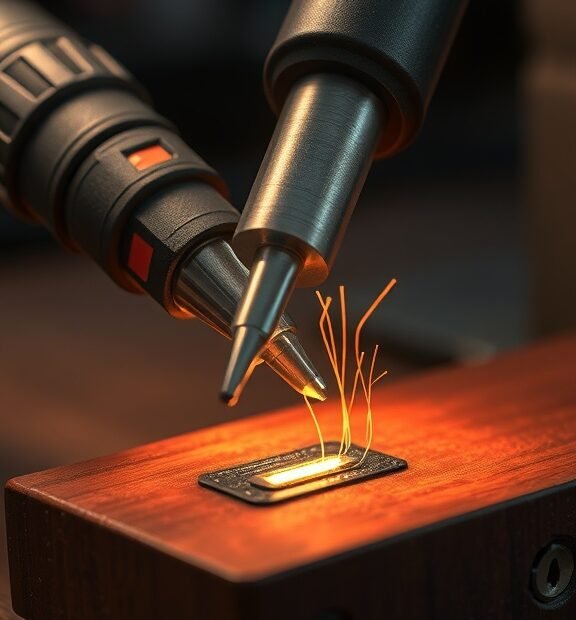
Can You Use a Soldering Iron for Heat Shrink? Tips and Techniques
When working on electrical projects, you may find yourself needing to shrink tubing around wires to create a solid, insulated finish. The most common method is using a heat gun, but you might wonder: can you use a soldering iron for heat shrink? Yes, you can, and this technique can be quite effective if done correctly! Let’s explore why and how to do it properly.
Using a soldering iron for heat shrink can be a practical choice. It allows you to have a precise application of heat, making it easier to avoid damaging surrounding materials. Here are some essential tips to consider when using a soldering iron for this purpose:
Prepare Your Workspace
Setting up your workspace correctly can make a world of difference. Ensure you have:
- A clean, flat surface free of clutter.
- All necessary tools: soldering iron, heat shrink tubing, and wire strippers.
- Safety gear, like goggles and gloves, to keep yourself protected.
Select the Right Soldering Iron
The type of soldering iron you use matters. A fine-tip soldering iron is ideal for applying heat exactly where you need it. This minimizes the risk of overheating adjacent components. If you have a temperature-controlled soldering iron, it’s even better—setting it to a lower temperature will help prevent potential damage to the heat shrink tubing.
Steps to Use a Soldering Iron for Heat Shrink
Follow these simple steps to ensure successful heat shrinking:
- Cut the Heat Shrink to Size: Measure and cut the tubing so that it only covers the needed area. It’s important not to make it too long, as overlapping can cause issues.
- Slide the Tubing in Place: Move the heat shrink tubing over the exposed wire. Ensure it covers all bare wires adequately.
- Heat the Tubing: Turn on your soldering iron, allowing it to heat up. Gently press the tip of the soldering iron against the tubing. Be sure to move it around to evenly distribute the heat.
- Observe the Shrinking Process: Watch as the tubing begins to shrink and wrap around the wire. Avoid having the soldering iron in one spot for too long to minimize burning the tubing.
- Allow to Cool: Once shrunk, remove the soldering iron and let the tubing cool. This cooling period is essential for it to set properly.
Advantages of Using a Soldering Iron for Heat Shrink
There are several benefits to using a soldering iron for heat shrink:
- Precision: The tip of a soldering iron can help you target specific areas without applying excessive heat.
- Accessibility: For small projects or in tight spaces where a heat gun can’t reach, a soldering iron is a convenient tool.
- Cost-effective: If you already own a soldering iron, you can use it without needing to purchase additional tools.
Challenges to Consider
While using a soldering iron can be useful, it comes with challenges. Here are some potential downsides:
- Risk of Melting: If too much heat is applied, you risk melting the tubing, which can lead to a poor seal.
- Longer Process: Compared to a heat gun, using a soldering iron can take a bit longer, as you must apply heat manually.
Final Thoughts
You can effectively use a soldering iron for heat shrink, provided you take the necessary precautions and follow the correct procedures. By keeping your workspace tidy, choosing the right tool, and applying heat carefully, you can achieve proper insulation for your wiring. Remember, safety is key, so always wear your protective gear and work in a well-ventilated area. Happy soldering!
The Advantages of Using a Heat Gun Over a Soldering Iron for Heat Shrink Applications
When working with heat shrink materials, the choice of tools can significantly affect the outcome of your project. Many enthusiasts and professionals might wonder whether they can simply use a soldering iron for heat shrink applications. While it’s possible to use a soldering iron for this purpose, there are several advantages to using a heat gun instead. Understanding these benefits can help you make an informed decision that will contribute to higher quality results.
A heat gun is specifically designed to emit hot air, allowing for an even and controlled application of heat. In contrast, a soldering iron focuses heat on a small area, which can lead to uneven results and potential damage to the surrounding materials. The precision of a heat gun makes it a superior tool for heat shrink applications.
Efficiency in Application
Using a heat gun can significantly enhance efficiency. Here’s why:
- Quick Heating: Heat guns generally heat up faster than soldering irons, meaning you can get to work sooner.
- Wider Coverage: A heat gun distributes heat over a larger area. This is essential for heat shrink tubing, as it ensures that the entire surface shrinks evenly.
- Less Coordination Required: With a soldering iron, you have to constantly move the tool to ensure even heating. In contrast, a heat gun can be held steady while the hot air works its magic, allowing you to focus on your project.
Control Over Temperature and Airflow
Heat guns typically come with adjustable temperature settings and airflow controls. This level of control offers significant advantages:
- Temperature Precision: You can select the ideal temperature for the type of heat shrink you are using. Some materials require lower temperatures to prevent damage, while others can withstand more heat.
- Adjustable Airflow: High or low airflow options allow you to control how quickly heat is applied. This is particularly useful when working with delicate components that might be sensitive to excessive heat or airflow.
Versatility in Use
A heat gun is not only suitable for heat shrink applications. It can also be used for various tasks, making it a versatile addition to your toolbox. Here’s how a heat gun can serve multiple purposes:
- Paint Stripping: Easily remove paint from surfaces with the controlled heat.
- Thawing Frozen Pipes: Quickly thaw water pipes in winter without causing damage.
- Plastic Bending: Shape and bend plastic materials for different projects.
Safety Considerations
Safety is crucial when working with tools that generate heat. A heat gun generally presents fewer risks compared to a soldering iron:
- Reduced Burn Risk: The design of a heat gun, including safety features, can lower the risk of burns compared to handling a hot soldering iron directly.
- Less Risk of Accidental Melting: Because heat guns apply heat evenly, there’s less chance of unintended melting of surrounding materials.
Final Thoughts on Application Quality
When it comes to the quality of your work, the choice between a heat gun and a soldering iron can be pivotal. For a consistent and professional finish, heat guns excel at providing a uniform application of heat. Using a soldering iron can result in spots that are not properly shrunk, leading to weakened connections and potentially compromising the integrity of electrical components.
While you *can* use a soldering iron for heat shrink applications, opting for a heat gun comes with a slew of advantages. From efficiency and temperature control to safety and versatility, a heat gun stands out as the better choice for both DIY projects and professional tasks. By embracing the use of a heat gun, you ensure not only a better finish but also a more enjoyable experience as you complete your project with confidence.
Conclusion
Using a soldering iron for heat shrink applications can be a practical solution for quick fixes or when a heat gun isn’t available. If you decide to go this route, it’s essential to employ the right techniques; keep the soldering iron’s tip clean, maintain a safe distance to prevent overheating, and move it steadily to ensure even heat distribution. This method may work in specific scenarios, especially for small projects or delicate tasks, where precision and control matter.
However, it’s crucial to weigh the benefits of using a heat gun against a soldering iron. A heat gun provides a broader and more controlled heat source, which allows for quicker and more efficient application of heat shrink tubing. It minimizes the risk of scorching or damaging components, making it the preferred choice for larger projects or industrial applications. The versatility and effectiveness of heat guns in various situations often make them a better investment for those working with heat shrink materials regularly.
Ultimately, while you can use a soldering iron for heat shrink applications, opting for a heat gun can lead to better results and a smoother workflow. Choose the tool that best fits your project’s needs, and always prioritize safety and accuracy to ensure lasting, reliable results. By understanding the strengths and weaknesses of each method, you can make an informed decision that enhances your work with electrical connections or other applications involving heat shrink tubing.