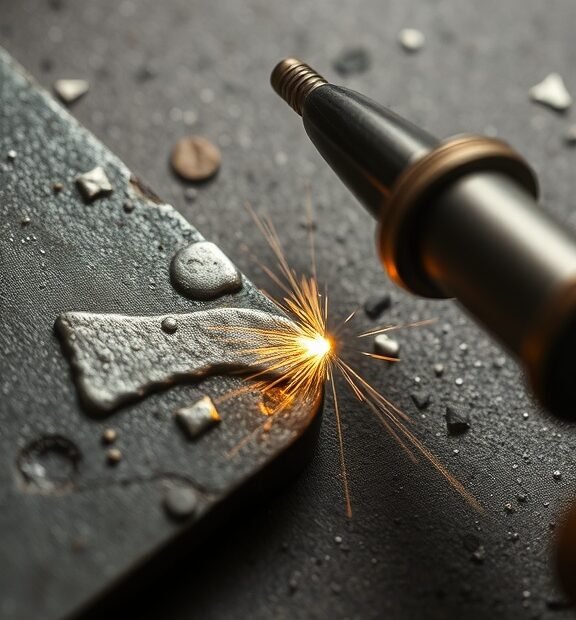
Can You Solder Silver with a Soldering Iron? Techniques and Considerations
When working on jewelry or other silver projects, you might wonder, “Can you solder silver with a soldering iron?” The answer is more nuanced than a simple yes or no. While it is possible to use a soldering iron for some silver soldering tasks, there are crucial factors to consider for successful results.
First, let’s explore the basics of soldering silver. Traditional soldering often requires the use of a torch, which can achieve higher temperatures. Silver solder, unlike regular solder, melts at a much higher temperature, which is crucial for ensuring that joints are strong and durable. Most silver solders are made of a mix that includes silver, copper, and other metals, which can significantly impact their melting points.
Though soldering irons can be handy for smaller, more delicate projects, their lower heat output makes them less ideal for silver. However, if you want to use a soldering iron, here are several techniques and considerations to keep in mind:
Understanding Temperature Requirements
Silver solder typically requires temperatures between 1,100°F and 1,200°F (593°C to 649°C) to melt effectively. Most standard soldering irons only reach temperatures of around 800°F (427°C). This shortfall means that many soldering irons fall short of the required temperatures for achieving solid silver bonds.
Selecting the Right Solder
If you opt to use a soldering iron, you must choose a specific type of solder designed for lower temperatures. Here’s a quick guide:
- Silver Solder: Look for low-temperature silver solder, often referred to as paste solder, which can work better with a soldering iron.
- Flux: Always use a proper flux to prevent oxidation. This is crucial for creating good joints, especially when soldering silver.
- Alloys: Based on the melting temperature, make sure the alloys in the solder can work with the capabilities of your soldering iron.
Prepping the Metal
Before you begin soldering, preparation is key. Clean the area you plan to solder thoroughly. Any dirt, oil, or oxidation can affect the quality of the solder joint. You can use:
- Brass brush
- Sandpaper
- Acetone or rubbing alcohol
Technique Tips for Soldering Silver
Here are some advanced tips to improve your chances of success:
- Heat Management: Apply heat gradually to the piece, ensuring that the entire area is getting evenly heated.
- Focus on the Joint: Always direct heat toward the joint where solder will flow. This can prevent overheating other areas of the silver piece.
- Use the Right Soldering Tip: A fine tip can help you direct heat precisely, which is essential when working on intricate designs.
- Practice: If you are unfamiliar with using a soldering iron for silver, practice on scrap pieces. This will help you gauge the right temperature and technique.
Potential Drawbacks
While you can solder silver using a soldering iron, be aware of the limitations and potential issues:
- Joint Strength: Solder joints made with a soldering iron may not be as strong as those created with a torch due to the lower heat applied.
- Uneven Melting: There’s a risk of uneven melting, which can cause problems with the quality of the finished project.
- Less Control: Depending on your experience, you may find it harder to control the heat and solder flow with a soldering iron.
While soldering silver with a soldering iron is possible, it may not yield the best results for every project. Always evaluate your tools, the type of silver solder, and the specific needs of your project before deciding on your approach. Your experience, the complexity of the piece, and the desired outcome should guide your method for soldering silver.
Comparing Silver Soldering with Traditional Soldering Methods: What You Need to Know
When it comes to joining metals, the choice of soldering method can significantly affect the quality of the final product. Silver soldering and traditional soldering methods have distinct processes, materials, and applications. Understanding these differences will help you decide which method is best for your project.
Silver soldering, often regarded as a superior option for creating strong, durable connections, uses a filler metal that contains a significant percentage of silver. This type of solder flows at higher temperatures than traditional solders, typically requiring a heat source like a torch instead of a soldering iron. The increased strength and corrosion resistance make silver solder a popular choice in jewelry making and metal fabrication.
Traditional soldering, primarily seen in electronics, typically involves lead or lead-free solders. These solders melt at lower temperatures and require less sophisticated equipment. Utilizing a soldering iron, the metal components are joined by the molten solder pooling around the joint as it cools. Although it is easier and quicker, traditional soldering usually does not provide the same joint strength and thermal resistance as silver soldering.
Here are some key differences between silver soldering and traditional soldering:
- Temperature:
- Silver Soldering: Requires temperatures ranging from 1,200°F to 2,100°F (650°C to 1,150°C).
- Traditional Soldering: Typically requires between 350°F and 700°F (175°C to 370°C).
- Joint Strength:
- Silver Soldering: Creates very strong joints that can withstand significant stress.
- Traditional Soldering: Joints may be weaker and more susceptible to failure under pressure.
- Material Compatibility:
- Silver Soldering: Best for metals like copper, brass, and silver.
- Traditional Soldering: Best suited for small electronic components typically made of copper or brass.
- Process:
- Silver Soldering: Involves using flux to clean the metal surfaces and can be done with a blowtorch or furnace.
- Traditional Soldering: Uses a soldering iron and requires a different type of flux suitable for electronics.
One of the defining features of silver soldering is the ability to join thicker metals. If your project requires welding larger components or part fabrication, silver soldering is preferable. The higher heat levels not only allow the solder to penetrate deeper into the base metals but also facilitate a fusion that results in less mechanical stress on the joint.
In contrast, traditional soldering excels in electronic work where precision is critical. Soldering irons allow for delicate handling of tiny components without the risks associated with using high heat. If you’re repairing a circuit board or assembling small gadgets, traditional soldering is your go-to method due to its lower temperature and reduced risk of damaging sensitive parts.
Another significant aspect to consider is the aesthetic quality of the joints. Silver soldered joints are not only robust but can also be polished to improve their appearance, making them ideal for jewelry and decorative metal crafts. Traditional solder can leave a less appealing finish, primarily because of the different properties of the materials used.
Both methods have their place in the world of metalworking and crafting. If you’re looking for strength and durability, especially in jewelry making or pipe installations, silver soldering is usually the best choice. However, if you aim to work with electronics or need to join smaller components, traditional soldering remains effective and efficient.
The decision to use silver soldering or traditional soldering ultimately hinges on the specific application and context of your project. By understanding the unique advantages and limitations of each method, you can choose the appropriate technique to ensure a strong, reliable connection.
Conclusion
Soldering silver with a soldering iron can be a valuable technique for both hobbyists and professionals, but it’s important to approach it with the right knowledge and tools. Understanding the differences between silver soldering and traditional soldering methods is key to achieving the best results. Silver soldering often involves higher temperatures and specific soldering materials designed for silver, ensuring a strong bond that will last.
When considering soldering silver with an iron, keep in mind that while it is possible, it may not always yield the best results. The heat generated by a soldering iron may not be sufficient for some types of silver solder, which often requires a more intense heat source. However, if you are using a soldering iron specifically designed for high-temperature applications, and you select the correct solder, you may find successful results.
It’s crucial to practice different techniques and experiment with various soldering methods to see what works best for your specific projects. Additionally, always prioritize safety by using appropriate equipment and working in a well-ventilated area.
By applying the right techniques and being aware of the materials you’re working with, you can confidently solder silver, whether you’re repairing jewelry, crafting new pieces, or engaging in creative DIY projects. Embrace the process, learn through trial and error, and enjoy the satisfaction of creating unique silver work that showcases your skills.