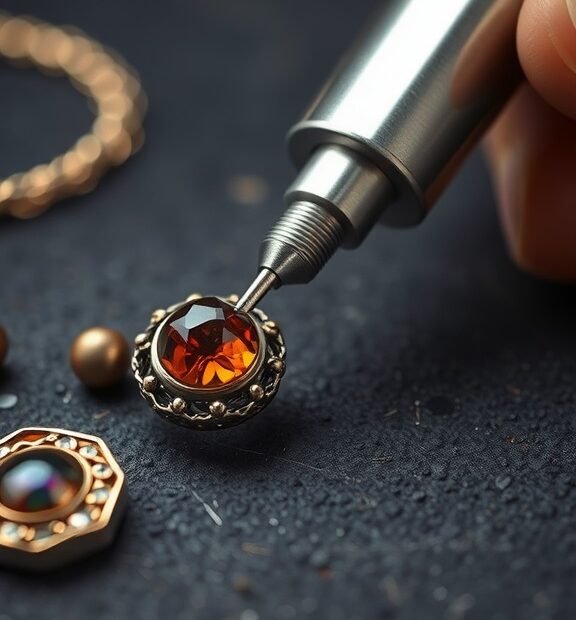
Can You Solder Jewelry with a Soldering Iron? Tips and Techniques for Beginners
If you’re interested in creating your own jewelry, you might be wondering, can you solder jewelry with a soldering iron? Many people think that soldering is a task reserved for metalworkers with expensive equipment. However, with the right techniques and tools, you can start soldering jewelry at home using a soldering iron.
The key to soldering jewelry successfully lies in understanding the methods and materials involved. Let’s dive into the basics and provide some helpful tips for beginners to get started.
Understanding Soldering
Soldering is a process that joins two metals together by melting solder, a filler metal, between them. Traditionally, professional jewelers use a torch for soldering, but a soldering iron can work well for certain types of jewelry projects, particularly those using softer metals like copper and silver.
Soldering Iron Kits & Accessories
Choosing the Right Soldering Iron
Not all soldering irons are created equal. When selecting an iron for jewelry, you should consider:
- Wattage: A soldering iron with 30 to 40 watts is typically ideal for jewelry. This wattage allows you to heat up quickly and maintain the temperature needed for soldering.
- Tip Size: Use a fine-tip soldering iron. A smaller tip will enable better control and precision when soldering small pieces.
- Temperature Control: If possible, select a soldering iron that offers adjustable heat settings. This flexibility will help you avoid overheating the metal.
Types of Solder
Choosing the right type of solder is essential for a successful project. Here are some common types used in jewelry making:
Soldering Iron Kits & Accessories
- Soft Solder: This type is used for non-critical applications and works well with lower temperatures.
- Silver Solder: If you’re working with silver, opt for silver solder. It comes in different melting points and is suitable for jewelry-making.
- Lead-Free Solder: Always choose lead-free solder when making jewelry, especially if the item will come into contact with skin.
Preparing Your Workspace
Before you start soldering, set up a clean and organized workspace. Ensure you have enough lighting and that your tools are within reach. Consider using a heat-resistant surface like a soldering board or a firebrick. Safety should also be a priority; make sure to have safety glasses and consider wearing gloves to avoid burns.
Basic Soldering Steps for Beginners
Now that you have your tools and workspace ready, it’s time to get started. Follow these steps for effective soldering:
Soldering Iron Kits & Accessories
- Clean the Metals: Make sure the surfaces you plan to solder are clean and free from dust, oils, or oxidation. Use a scrub pad designed for metal cleaning or fine sandpaper.
- Position the Pieces: Lay the pieces you want to join in the correct position. Use a third-hand tool or a clamp to keep them steady.
- Apply Flux: Apply a small amount of flux to the area being soldered. Flux helps to prevent oxidation and ensures a strong joint.
- Heat the Metal: With your soldering iron, carefully heat the metal, not the solder itself. Move the iron in small circles to warm the joint evenly.
- Add Solder: Once the metal is hot enough, introduce the solder. It should flow into the joint easily. Remove the soldering iron quickly to avoid overheating.
- Allow to Cool: Let the soldered joint cool naturally before manipulating the piece. Rapid cooling can cause cracks.
Common Mistakes to Avoid
Even beginner solderers can make mistakes. Here are some common pitfalls to watch for:
- Aim for warmth, not heat; overheating can damage your piece.
- Don’t skip on flux, as it’s crucial for a strong bond.
- Practice on scrap metal before working on your actual piece to build confidence.
With these tips and techniques, you’ll be well on your way to successfully soldering jewelry with a soldering iron. Remember that practice makes perfect, so don’t be discouraged if your first few attempts don’t turn out exactly as you envisioned. Enjoy the creative journey that comes with making your own unique pieces!
The Differences Between Soldering and Welding in Jewelry Making
When it comes to jewelry making, you may come across two key techniques: soldering and welding. Both processes allow for the joining of metal pieces, but they do so in different ways. Understanding these differences can help you choose the right method for your jewelry projects, and it can also enhance your skills as a jewelry maker.
Soldering Iron Kits & Accessories
What is Soldering?
Soldering involves melting a filler metal known as solder, which has a lower melting point than the metals being joined. This process enables you to bond metals without subjecting the entire piece to high temperatures. Soldering is often used in jewelry making for the following reasons:
- Precise Control: Jewelers can control the heat applied to a small area, making it possible to work with delicate pieces without risking warping.
- Versatility: Soldering can be done with various metals, including gold, silver, and copper, making it suitable for different designs and styles.
- Quick Repairs: If a piece of jewelry breaks, soldering can provide a quick and efficient way to restore it.
What is Welding?
Welding, on the other hand, typically involves the use of intense heat to fuse metal pieces together. This heat can come from various sources, including an electric arc, a laser, or a gas flame. While welding is highly effective for larger projects and heavier metals, in the context of jewelry making, it presents some challenges:
Soldering Iron Kits & Accessories
- High Temperatures: Welding requires higher temperatures than soldering, which can cause damage to finer pieces or intricate designs.
- Less Control: The high heat of welding makes it harder to manage, increasing the risk of unintentional alterations to the metal.
- Material Limitations: Not all metals can be welded effectively, making this technique less versatile for jewelry makers.
Key Differences Between Soldering and Welding
While both soldering and welding can join metal, several key differences set them apart. Consider the following points:
- Heat Level: Soldering uses lower temperatures than welding, making it suitable for delicate materials.
- Process: Soldering uses a filler material, while welding fuses the base metals directly.
- Skill Requirement: Soldering requires patience and precision but is generally easier for beginners, while welding can involve a steeper learning curve.
- Applications: Soldering is ideal for fine jewelry and detailed work, while welding is better suited for larger, structural pieces.
When to Use Soldering in Jewelry Making
If you’re working on intricate designs like rings, earrings, or pendants, soldering is usually the best choice. You can attach smaller components without affecting the overall integrity or design. Additionally, soldering allows for repairs, especially when working with older jewelry that may need to be restored while keeping its original character intact.
Soldering Iron Kits & Accessories
When to Use Welding in Jewelry Making
Welding may be appropriate when working with larger metal components or constructing pieces that will endure high stress. If you’re focusing on bolder designs or mixed media projects involving metals, welding can provide the strength needed. However, for the intricacies of fine jewelry making, welding is generally not the go-to method.
: Choosing the Right Method
Understanding the differences between soldering and welding is essential for any jewelry maker. Each method has its unique benefits and limitations. By knowing when to apply each technique, you can elevate your jewelry-making skills and achieve beautiful and lasting results. Whether you choose the finesse of soldering or the strength of welding, mastering these techniques can open up new creative possibilities in your jewelry designs.
Conclusion
When considering whether you can solder jewelry with a soldering iron, it’s clear that beginners have a unique opportunity to dive into the world of jewelry making. A soldering iron can be a useful tool, but understanding its limitations is crucial. By practicing proper techniques and using the right type of solder, you can achieve satisfying results without overwhelming yourself.
Soldering Iron Kits & Accessories
It’s also essential to distinguish between soldering and welding, as both methods play distinct roles in jewelry fabrication. Soldering is more appropriate for delicate, intricate work, particularly when dealing with small pieces or components. Welding, on the other hand, is better suited for heavier metals and requires equipment that can generate much higher heat. Each method has its advantages, and knowing when to use each will greatly enhance your skills as a jewelry maker.
As you embark on your soldering journey, take the time to experiment with various techniques and tools, cultivating your own personal style. Remember, practice is key, so don’t be discouraged if your first few attempts don’t turn out perfectly. With patience and perseverance, you’ll find that soldering jewelry can be a rewarding creative outlet.
Soldering Iron Kits & Accessories
Ultimately, whether you use a soldering iron or explore other techniques, the joy of jewelry making lies in your creativity. So, gather your materials, set up your workspace, and start crafting unique pieces that reflect your passion and artistry.