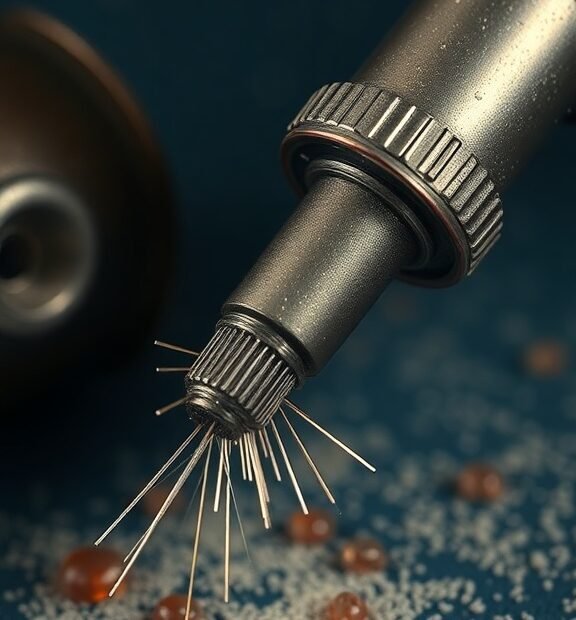
Can You Sand a Soldering Iron Tip: Techniques and Best Practices
When you work with electronics, having a well-maintained soldering iron tip is crucial for achieving clean, effective solder joints. Over time, soldering iron tips can become tarnished, contaminated, or simply wear down. You might wonder, can you sand a soldering iron tip? The answer isn’t straightforward, but there are safe techniques and best practices that can help you restore your soldering iron tip to optimal condition.
Before diving into the techniques, it’s helpful to understand why you might want to sand your soldering iron tip. Here are some common reasons:
- Tarnish build-up: Oxidation can cause the tip to lose its effectiveness.
- Contamination: Lead-free solder and other materials can make the tip dirty.
- Worn out tips: Constant use can wear down the tip’s surface.
So, can you sand a soldering iron tip? Yes, but only under specific conditions. It’s essential to approach this task with caution to avoid damaging your iron tip. Here’s how to do it effectively:
Soldering Iron Kits & Accessories
Choose the Right Material
If you decide to sand your soldering iron tip, the material you use is vital. A fine-grit sandpaper is recommended, usually ranging from 400 to 600 grit. This helps you smooth out imperfections without aggressively wearing down the tip. Avoid using coarse sandpaper, as it can damage the tip and reduce its lifespan.
Soldering Iron Kits & Accessories
Technique Matters
Now that you have the right sandpaper, it’s all about your technique. Follow these steps:
Soldering Iron Kits & Accessories
- Ensure Safety: Turn off your soldering iron and let it cool down. Always wear protective eyewear and a mask to avoid inhalation of dust.
- Prepare the Area: Work in a well-ventilated area to avoid fumes when using the soldering iron later.
- Sand Gently: With the sandpaper in hand, gently rub it over the soldering tip in a circular motion. Apply light pressure to prevent removing too much material.
- Check Regularly: Frequently check the tip’s condition to ensure you are not over-sanding. You want to maintain the integrity of the tip.
- Clean Up: After sanding, wipe the tip with a damp cloth to remove any residue and then tin the tip with solder.
It’s also beneficial to regularly clean your soldering iron tip with a wet sponge or brass cleaning sponge during use. This can help reduce the necessity to sand altogether.
When to Avoid Sanding
Soldering Iron Kits & Accessories
While sanding can be helpful, there are specific scenarios where it’s best to avoid this technique:
- Badly Worn Tips: If the tip is severely damaged beyond minor imperfections, it’s usually best to replace it.
- Electroplated Tips: Some soldering iron tips come with coatings that help retain their heat. Sanding may strip away this protective layer.
In these cases, instead of sanding, consider cleaning the tip with a chemical cleaner designed for soldering equipment. This can preserve the tip’s life without risking damage.
Soldering Iron Kits & Accessories
Maintaining Your Soldering Iron Tip
Regular maintenance is key. Here are some tips for keeping your soldering iron tip in top shape:
Soldering Iron Kits & Accessories
- Tin the Tip: Always apply a small amount of solder to the tip before and after use to protect it from oxidation.
- Turn Off When Not in Use: Reduce wear by turning off the soldering iron when not actively soldering.
- Use Quality Solder: Higher-quality solder can cut down on contamination and oxidation.
By following these techniques and best practices, you can maintain your soldering iron tip effectively. Whether you’re repairing electronics or working on a DIY project, a well-cared-for soldering iron tip will save you frustration and ensure that your solder joints are strong and reliable. Happy soldering!
Maintaining Your Soldering Iron: Tips for Longevity and Performance
When it comes to electronics work, a soldering iron is an essential tool. Maintaining this device properly can significantly enhance its performance and longevity. One common question that arises among hobbyists and professionals alike is whether you can sand a soldering iron tip. While sanding is sometimes seen as a quick fix, there are better practices to follow to ensure your soldering iron performs at its best.
First, let’s understand the components of a soldering iron tip. The tip is where the heat is concentrated, and its material usually consists of copper coated with a layer of iron. This design helps with heat conduction and protection against oxidation. Over time, the tip can become oxidized, affecting soldering efficiency. While some may consider sanding it to improve conductivity, it’s essential to weigh the pros and cons before making that decision.
Soldering Iron Kits & Accessories
Instead of reaching for sandpaper, you can maintain your soldering iron tip effectively with these methods:
- Regular Cleaning: After each use, allow the soldering iron to cool slightly. Use a damp sponge or brass sponge to wipe the tip clean. This practice removes any excess solder and oxidized material.
- Use Tip Tinner: Applying tip tinner can revitalize a worn-out soldering iron tip. It not only cleans but also adds a fresh layer of solder, which helps improve heat transfer.
- Temperature Control: Operating your soldering iron at the correct temperature can prevent the tip from oxidizing too quickly. Higher temperatures lead to faster oxidation. Aim for a heat setting that’s appropriate for the solder you’re using.
- Proper Storage: When your soldering is complete, make sure to store your soldering iron properly. This means placing it in a stand or resting it upside down. Avoid letting it contact surfaces that can cause damage.
- Tip Replacement: Over time, no matter how well you maintain it, a soldering iron tip will wear out. Investing in a replacement tip is often more effective than trying to salvage a degraded one.
Using sandpaper or abrasive materials to sand your soldering iron tip can create more problems than it solves. Not only could it damage the tip’s coating, but doing so may also result in uneven surfaces that compromise heat distribution. Instead, stay committed to cleaner methods that preserve the integrity of the tip.
Soldering Iron Kits & Accessories
It’s also important to keep in mind the type of solder you are using. Some solders, especially lead-free options, require different handling. Ensure that your solder is compatible with the tip material and operating temperature. This alignment will help you achieve the best results in your soldering projects.
Let’s look into some signs that your soldering iron may require maintenance:
Soldering Iron Kits & Accessories
- The solder does not flow smoothly.
- The tip appears discolored or corroded.
- There’s a noticeable drop in heat while soldering.
- You observe excessive build-up of solder on the tip.
When you encounter these issues, consider implementing the maintenance practices described above. And remember, frequent checks will help you catch problems early, keeping your soldering iron in optimal shape.
If you notice that the soldering tip is declining in quality despite regular maintenance, investing in a new tip offers a straightforward solution. Replacement tips are relatively inexpensive and can significantly enhance your soldering experience by providing better heat retention and transfer.
Soldering Iron Kits & Accessories
Maintaining your soldering iron extends beyond just the tip. Take care of the entire device by periodically inspecting the electrical cord, checking for frays or damage, and ensuring that all connections are secure. Proper maintenance can help prevent accidents, ensuring a safer workspace.
While it might be tempting to sand a soldering iron tip, there are better ways to maintain its effectiveness. By following proper cleaning techniques, controlling temperature, and being mindful of how you store and use your soldering iron, you can ensure that it remains a reliable tool in your toolkit. Regular inspections and maintenance will ultimately lead to a more enjoyable and productive soldering experience.
Conclusion
Sanding a soldering iron tip can be a useful technique when you want to remove oxidation or restore a damaged surface. It’s essential, however, to approach this practice with care. Using fine-grit sandpaper and taking your time can yield great results without compromising the integrity of the tip. Remember, the goal is to enhance conductivity and improve soldering quality.
Soldering Iron Kits & Accessories
To ensure your soldering iron serves you well over time, maintenance is key. Regularly cleaning the tip with a wet sponge or brass sponge is important for keeping oxidation at bay. Additionally, tinning the tip after each use helps protect it from wear and tear. Storing your soldering iron properly when not in use also plays a significant role in extending its lifespan.
By incorporating these techniques and best practices into your routine, you can optimize the performance of your soldering iron and prolong its effective use. Whether you choose to sand the tip or follow maintenance tips, the focus should always be on preserving its functionality and ensuring that you achieve the best results in your soldering projects. With the right approach, your soldering iron will work efficiently, allowing you to tackle any DIY or repair task with confidence.