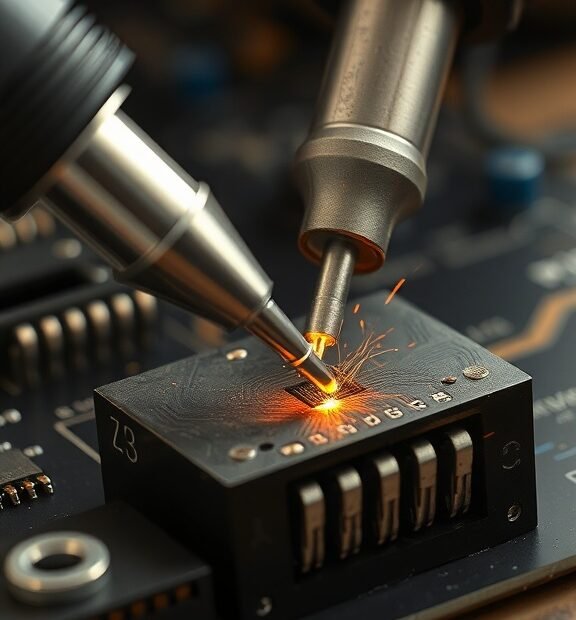
Techniques for Removing Solder with a Soldering Iron
When working on electronic projects, you may find yourself needing to remove solder from components. You might wonder, can you remove solder with a soldering iron? The answer is yes, and knowing how can make your repair or modification tasks much easier.
Removing solder essentially involves melting it again to allow for easier detachment from the components or the circuit board. Below are some effective techniques to properly remove solder using a soldering iron.
Understanding the Types of Solder
Before you start, it’s crucial to recognize the different types of solder used in electronics. There are lead-based and lead-free solders. Lead-based solders tend to melt at lower temperatures, making them easier to work with. Understand the type you are dealing with, as this will guide your process and the heat setting on your soldering iron.
Gathering Your Tools
To successfully remove solder, you’ll need several tools:
- Soldering Iron: Ensure your soldering iron is well-maintained and has a fine tip for precision.
- Flux: This helps improve the flow of solder and makes the removal process easier.
- Desoldering Pump or Braid: While the focus is on using a soldering iron, having a desoldering pump or braid can make the process smoother.
- Isopropyl Alcohol: For cleaning any residual solder.
- Safety Goggles: Protect your eyes from any solder splashes.
Techniques for Removing Solder
Here are some effective methods you can apply:
1. Direct Heating Method
For straightforward solder removal, you can use the direct heat method. Here’s how:
- Begin by heating the soldering iron to the appropriate temperature (usually around 350°C or 662°F).
- Apply a small amount of soldering flux to the joint you are working on. This will help the solder flow more smoothly and melt evenly.
- Touch the tip of the soldering iron to the solder joint. You’ll observe the solder begin to melt.
- Once the solder is liquid, use the desoldering pump by pressing it over the joint and then releasing the button to suck up the solder.
- Be quick but careful; solder can cool rapidly.
2. Using Desoldering Braid
This technique involves the use of desoldering braid, which absorbs the melted solder. Follow these steps:
- Place the desoldering braid over the solder joint.
- Put the soldering iron on the braid. This will heat both the braid and the solder underneath it.
- As the solder melts, it will get absorbed by the braid.
- Lift the braid and iron away once the solder has been absorbed. Cut off any used portion of the braid for cleanliness.
3. Reworking Joints
If you are dealing with a particularly stubborn solder joint, you might need to rework it:
- Apply more flux to increase melting speed.
- Carefully rock the soldering iron back and forth while heating. This can help break the bond.
- Once it starts to melt, use your desoldering pump or braid as outlined in the previous steps.
Cleaning Up
Once you’ve successfully removed the solder, it’s important to clean the area:
- Dip a cotton swab in isopropyl alcohol and clean any residue left behind. This ensures a clean surface for any new soldering work.
- Inspect the area to ensure all solder has been removed and that the pads are intact.
Removing solder can be a daunting task at first, but with the right techniques and tools, you can do it quite effectively using a soldering iron. Remember to take your time, be patient, and always prioritize safety in your projects. Happy soldering!
Common Challenges and Solutions in Solder Removal
Solder removal can be a tricky process, especially for those who are new to electronics or soldering. Often, you might find yourself dealing with excess solder, unwanted joints, or even repairs that require you to completely desolder a component. Understanding the common challenges that arise during solder removal, along with practical solutions, is key to mastering the art of soldering.
Challenges in Solder Removal
The first challenge you might face is overheating the components. When using a soldering iron, it’s easy to apply too much heat, which can damage sensitive electronic parts. This often leads to problems like lifted pads on circuit boards, making repairs even more challenging.
Another common issue is the difficulty in removing old or excess solder that has hardened. Old solder can clump together, making it difficult to melt and extract, especially if you’re working on dense or cramped circuit boards. Therefore, it’s important to use the right technique and tools when removing solder.
Accessibility is yet another hurdle. Components placed closely together can make it hard to reach the solder joint you need to desolder. Without the right tools, getting into tight spaces can be frustrating.
Next, we have the problem of solder wick or solder braid getting stuck on the joint. When not used properly, these can leave behind bits of solder and debris that complicate the process further.
Effective Solutions for Solder Removal
Understanding the challenges is a good starting point. Now, let’s explore effective solutions to tackle these issues.
- Use the Right Temperature: Set your soldering iron to the appropriate temperature—typically around 350°C (662°F). This will help you avoid overheating components while ensuring that the solder melts efficiently.
- Solder Wick Technique: Place the solder wick over the solder joint and then press the hot soldering iron down onto it. The wick absorbs the molten solder, allowing you to lift it away smoothly. Make sure you use quality solder wick, as some inferior brands may not work as well.
- Suction Tools: A solder sucker can be a lifesaver. After melting the solder with the soldering iron, quickly position the sucker over the joint and press the plunger. It creates a vacuum that pulls the molten solder away. It’s advisable to practice this technique to achieve precision.
- Use Flux: Applying flux can help with solder removal. Flux improves the flow of solder, making it easier to melt. It can also assist with the adhesion of your solder wick, minimizing leftover residue.
- Desoldering Pumps: For heavy-duty solder removal, a professional desoldering pump might be worth investing in. These tools create a strong suction to clear even the toughest solder joints.
- Hot Air Rework Stations: If you’re regularly working on dense circuit boards, consider using a hot air rework station. This tool blows hot air onto the solder joint, evenly heating it and allowing you to remove multiple solder joints simultaneously.
- Practice Accessibility: Use angled soldering tips or fine-tipped soldering irons for better maneuverability in tight spaces. This will allow you to get to hard-to-reach components more easily.
Preventing Future Challenges
To avoid challenges during solder removal, it’s crucial to adopt best practices while soldering. Here are some tips you can incorporate:
- Limit Solder Usage: Use only the necessary amount of solder when making joints. Excessive solder can complicate future repairs.
- Work in Good Lighting: Adequate lighting can help you see what you’re doing, thus making solder removal easier.
- Label Connections: If you’re disassembling devices, label connections clearly. This will help you remember where everything goes when you reassemble, reducing the risk of needing to remove solder later.
- Use Quality Equipment: Invest in good-quality soldering tools. A reliable soldering iron, solder sucker, and desoldering wick can save you a lot of hassle.
By understanding the common challenges of solder removal and implementing these solutions, you can become more confident in your soldering skills. Remember, practice makes perfect, and over time, you’ll find solder removal is a task you can handle with ease.
Conclusion
Removing solder with a soldering iron can be a straightforward process when armed with the right techniques and knowledge. By mastering methods like using a solder wick, suction pump, or a desoldering tool, you can successfully clear solder from your circuit boards or electronic components. Each technique has its unique advantages, making it essential to choose the right one for your specific project.
However, challenges like excess solder, overheating components, or damage to sensitive parts can arise during the removal process. Understanding these common issues enables you to take proactive steps to address them. For example, if you encounter stubborn solder, applying heat evenly and carefully can help avoid damaging the board while effectively melting the solder. Additionally, ensuring your tools are clean and well-maintained will enhance your soldering experience and output quality.
Whether you are fixing a minor electronic issue or engaging in a larger DIY electronics project, the ability to remove solder effectively is a valuable skill. By approaching the task with patience and precision, you can tackle even the trickiest solder removal with confidence. So, equip yourself with the right tools, practice your techniques, and don’t hesitate to experiment. Soon enough, you’ll be a pro at removing solder with a soldering iron, paving the way for flawless electronic repairs and creations.