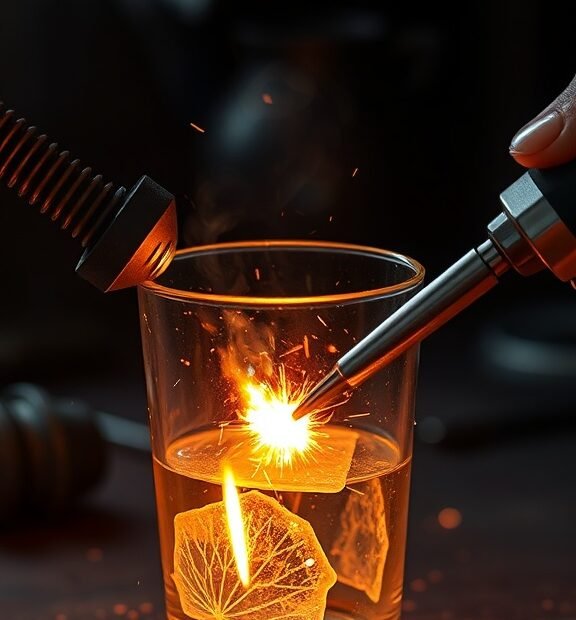
Can You Melt Glass with a Soldering Iron? Understanding the Process and Limitations
If you’ve ever wondered, “Can you melt glass with a soldering iron?” you’re not alone. This is a common question among hobbyists and DIY enthusiasts who are exploring glass work or assembly. While soldering irons are fantastic tools for joining metals, they are not typically designed for melting glass. However, understanding the science behind glass melting can help you make informed decisions about your projects.
To grasp whether a soldering iron can melt glass, let’s first look at how both materials interact with heat. Glass has a significantly higher melting point than many metals. The melting point of soda-lime glass, the most common type, is around 1,400°F (760°C). Meanwhile, the average temperature of a soldering iron ranges from 350°F to 900°F (about 180°C to 480°C), depending on the model and settings.
Here are some important points to consider when evaluating the possibilities:
- Temperature Limitations: As previously mentioned, the soldering iron does not reach the necessary temperatures needed to melt glass. Ultimately, with a soldering iron, you are unlikely to achieve the needed heat to make glass flow.
- Type of Glass: Different types of glass have varying melting points. For example, borosilicate glass has a higher melting point than soda-lime glass. Regardless, a standard soldering iron still falls short.
- Intended Use: Soldering irons are designed for specific tasks, such as joining metals or repairing electronic circuits. Using them to melt glass can damage the iron and ruin your project.
While soldering irons may not be an option for melting glass effectively, there are alternative methods that you can consider. Here are a few approaches to explore:
- Glass Fusing Kilns: For melting glass, a glass fusing kiln is the best option. These kilns can reach the high temperatures required for multiple glass projects, including fusing and slumping. This method allows for precise control over the heating process.
- Oxy-Acetylene Torch: For small-scale glass melting, some artisans use an oxy-acetylene torch. This torch produces an intense flame that can quickly reach and exceed the necessary temperatures for melting.
- Hot Glass Tools: Various hot glass tools are available that are specifically designed for melting and shaping glass, such as propane torches or even specialized glass-working irons.
When attempting any glass melting project, ensure you prioritize safety measures. Always work in a well-ventilated area and wear safety glasses to protect your eyes from harmful glass shards or intense light. Since melting glass can produce harmful fumes, consider using a fume extractor if you are working with pure glass or glass containing metals.
For those looking to engage in glass art design or repairs, understanding the limitations of tools is crucial. While it’s tempting to experiment with a soldering iron, the risks and inefficiency typically outweigh the potential benefits. Instead, investing in the correct tools will save you both time and frustration in the long run.
Ultimately, while a soldering iron won’t melt glass, it can still have a place in glass projects. For example, you might use it to attach metal components to glass items or perform minor electronic repairs on equipment that involves glass elements. The key lies in identifying the correct tool for each specific task.
By approaching your project with the right knowledge and gear, you can successfully navigate the world of glass work. Enjoy experimenting with more suitable methods, and let your creativity shine through with this beautiful material!
Understanding the science of glass melting not only helps you select the proper tools but also prepares you for the fun and intricate world of glass art. With multiple options available, from kilns to hot glass tools, you can find the right approach that works well for your needs.
Alternative Methods for Melting Glass: Techniques and Tools
Melting glass can be a fascinating process, and it opens up a world of creativity in glass art and crafting. While many may think of using conventional methods like a furnace or torch, there are several alternative techniques and tools available that can effectively melt glass. Whether you are a hobbyist or looking to explore professional-grade techniques, understanding these methods will enhance your glassworking experience.
Furnace Method
The furnace is the most common gas or electric heated unit used for melting glass. You can set the temperature to reach the melting point of your glass type, typically around 1,380°F to 2,000°F (750°C to 1,093°C) depending on the composition of the glass. This highly controlled environment allows for precise melting and manipulation of the material.
For those who may want to create their own setup, a homemade furnace can be built using fire bricks, an electric heating element, and insulating materials. This method is cost-efficient but does require proper knowledge of temperatures and safety protocols.
Hot Plate Techniques
If you’re looking to melt small pieces of glass, a hot plate can be an excellent alternative. Here’s how to use a hot plate effectively:
- Place your glass pieces on a metal surface that can withstand high temperatures.
- Set the hot plate to a medium-high setting. Keep an eye on the glass as it heats up to prevent overheating.
- Once you see the glass beginning to bubble, it’s reaching its melting point.
- Using tongs, carefully manipulate the glass while it is heated for small alterations.
This method is particularly useful for small crafts and projects without needing equipment investment.
Microwave Glass Project
Believe it or not, you can even melt glass in a microwave! This technique is innovative but requires specific glass types, such as compatible glass, ceramic, or CR-39. Here’s how to approach it:
- Place your glass in a microwave-safe container.
- Cover the piece with a layer of layers of ceramic fiber blanket to conduct heat around the glass.
- Heat on high for short bursts (about 30 seconds) until you achieve the desired melt.
This innovative method is more suited for thin glass or glass scraps. Always check compatibility before attempting this to avoid accidents.
Use of a Soldering Iron
Although a soldering iron doesn’t technically melt glass, it can be beneficial for joining or creating glass pieces, especially for stained glass projects. The soldering iron tips can reach high temperatures, enabling you to work on smaller, detailed fittings. Here’s how you can maximize the effectiveness of a soldering iron for your glass projects:
- Choose a soldering iron with the right wattage, ideally between 20 to 60 watts.
- Preheat the iron while preparing glass pieces to ensure efficient bonding.
- Apply flux and then solder to work with glass seams or decorative pieces without fully melting the glass.
Using a Torch
A torch is another effective tool for melting glass. A butane or propane torch can generate the necessary heat to melt glass effectively. Here’s a step-by-step guide for using a torch:
- Set up a safe work area, ensuring proper ventilation.
- Light the torch and adjust the flame to achieve consistent heat.
- Hold the glass piece at an angle, allowing the flame to focus on the edges for optimal melting.
This method is particularly advantageous for lampwork glass art, allowing detailed and intricate designs.
Electric Glass Melting Kiln
If you are serious about glasswork, investing in an electric glass melting kiln can vastly improve your results. These kilns provide controlled heat settings and excellent insulation, making it easier to melt glass uniformly. They come with programmable settings, allowing you to maintain specific temperatures and heat profiles, perfect for delicate glass pieces.
Exploring various methods to melt glass can open new doors for creativity in your crafts. By utilizing different tools—ranging from furnaces to soldering irons—you can achieve impressive results. Choose the technique that suits your project best, and enjoy the fantastic world of glass crafting.
Conclusion
Melt glass with a soldering iron may not be the most effective method due to the limitations of temperature and heat distribution. While a soldering iron can generate enough heat to soften some types of glass, it’s usually not sufficient for melting it thoroughly. This process can be slow and may result in uneven heating, leading to potential damage or cracks in the glass.
For those looking to shape or manipulate glass, exploring alternative methods is vital. Techniques such as using a kiln, torch, or even a furnace provide more reliable results. These tools offer the necessary heat and control, allowing you to achieve the desired outcomes without compromising the integrity of the glass. Investing in one of these methods can significantly enhance your glassworking projects.
If you’re eager to work with glass, consider your options carefully. By understanding the limitations of soldering irons and exploring better-suited techniques, you can open up a world of creative possibilities in your glass crafting endeavors. Whether you are a beginner or an experienced artist, knowing the best tools and methods will empower you to achieve stunning results. Always prioritize safety and proper techniques, ensuring your glass melting or shaping experience is both enjoyable and successful.