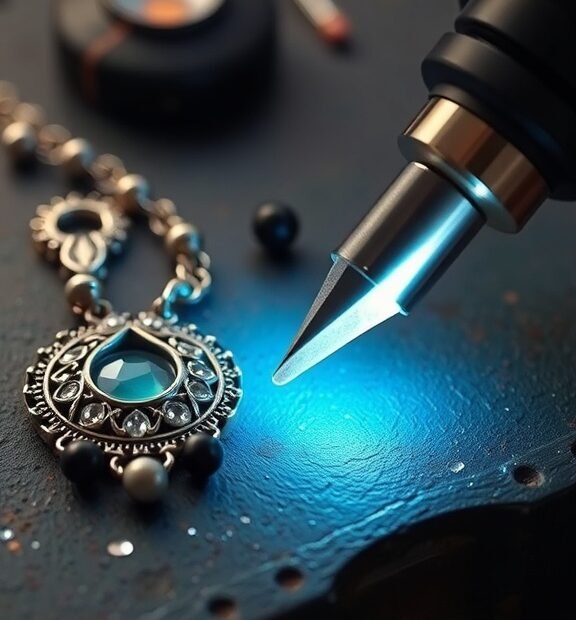
Can You Make Jewelry with a Soldering Iron? Techniques and Tips
Creating jewelry can be an exciting and rewarding hobby. One of the interesting tools you might consider using in your jewelry-making process is a soldering iron. But can you actually make jewelry with a soldering iron? The answer is yes! With the right techniques and some practice, you can create beautiful pieces of jewelry. Let’s dive into how you can successfully use a soldering iron in your jewelry-making endeavors.
Understanding Soldering for Jewelry Making
Soldering is a process where two pieces of metal are joined together by melting a filler metal, known as solder. A soldering iron serves as an excellent tool for this task, as it heats up quickly and allows for precise application. While jewelers commonly use torches, soldering irons can also be effective, especially for smaller projects or delicate pieces.
Tools and Materials Needed
Before diving into the soldering process, gather the following materials:
- Soldering Iron: Choose a soldering iron with a fine tip for precision.
- Solder: Use silver solder or lead-free solder that is suitable for jewelry.
- Flux: This substance helps the solder flow and bond properly.
- Metal Pieces: Use alloy metals like copper, brass, or silver for better soldering results.
- Safety Gear: Invest in goggles and heat-resistant gloves to protect yourself.
- Work Surface: A fireproof work surface is essential to prevent any accidents.
Basic Techniques for Soldering Jewelry
Now that you have your tools, here are some essential techniques to follow when soldering jewelry with a soldering iron:
1. Preparing the Metal Surface
Before soldering, it’s crucial to clean the metal surfaces you plan to join. Use a metal file or sandpaper to remove any oxidation or dirt. A clean surface ensures a strong bond between the metals.
2. Applying Flux
Once the surfaces are clean, apply flux to the areas where the solder will go. This step helps the solder flow evenly and prevents oxidation during the heating process.
3. Positioning the Metals
With the metal pieces in place, hold them together firmly. You can use clamps to keep the pieces secure. Make sure they are aligned perfectly before you start the soldering process.
4. Heating with the Soldering Iron
Plug in your soldering iron and let it heat up. Once it’s ready, touch the tip to the joint between the two metal pieces. Slowly feed solder into the joint; it should melt and flow into the gap. Be careful not to overheat or burn the metal.
5. Allowing to Cool
After applying the solder, let the metal pieces cool down naturally. Avoid disturbing them until they are completely cool, as this can affect the integrity of your joint.
Tips for Successful Soldering
To ensure your soldering projects are successful, consider these handy tips:
- Practice: Don’t be discouraged if your first attempts aren’t perfect. Practice on scrap pieces of metal to get a feel for the soldering iron.
- Use the Right Solder: Different metals require specific types of solder. Make sure to choose one that matches your base metal.
- Control Temperature: Depending on the thickness of your metal, adjust the temperature of your soldering iron accordingly to avoid overheating.
- Keep It Simple: Start with basic designs before attempting complex pieces. Simple shapes will allow you to build your skills effectively.
- Safety First: Always prioritize safety by wearing protective gear and working in a well-ventilated area.
Exploring Advanced Techniques
Once you feel confident with basic soldering, you can explore advanced techniques such as:
- Layered Soldering: Experiment with layering different metals and using various thicknesses to create intricate designs.
- Texturing Metal: Use tools to add texture to your designs before soldering for a unique look.
A soldering iron can be an effective tool in your jewelry-making toolkit. By following the right techniques, practicing regularly, and keeping safety in mind, you can create beautiful pieces that showcase your creativity and craftsmanship. So go ahead, let your imagination run wild, and enjoy the rewarding experience of crafting your jewelry with a soldering iron!
Essential Tools and Materials for Jewelry Making with a Soldering Iron
Creating stunning jewelry can be a fulfilling and rewarding hobby or profession. When it comes to making jewelry effectively, the right tools and materials are essential, especially if you plan to use a soldering iron. Understanding what you need can make the process smoother and your final products more professional. Here’s a look at the essential tools and materials that will help you excel in jewelry making with a soldering iron.
Why a Soldering Iron is Important in Jewelry Making
A soldering iron is a crucial tool for jewelry makers, as it allows you to join metal pieces securely. By using heat to melt solder, you can create strong bonds between various components of your design. This method is particularly useful for connecting clasps, links, and other intricate parts of your jewelry. So, let’s explore what you need to get started.
Essential Tools
- Soldering Iron: The most important tool, typically ranging between 30 to 100 watts. A higher wattage can help solder metals more quickly and efficiently.
- Solder: Available in different types such as lead-free and silver solder. Choose one that matches the metal you work with, typically copper, brass, or silver.
- Soldering Iron Stand: A stable stand holds the soldering iron securely and safely when not in use, preventing accidents.
- Workbench or Heatproof Surface: Always work on a stable and fire-resistant surface when using a soldering iron to avoid potential hazards.
- Safety Glasses: Protect your eyes from any sparks or fumes that may occur while soldering.
- Wire Cutters and Pliers: Essential for cutting metal pieces and shaping them as required. A fine-tipped pair of pliers will give you better control over smaller components.
- Flux: This is a crucial component when soldering, as it helps prevent oxidation, ensuring a strong bond. You can find it in liquid or paste form.
- Heat-resistant Gloves: Protect your hands from burns when working with hot metals or soldering tools.
- File and Sandpaper: Use them to smooth out rough edges after cutting or soldering metal pieces.
Essential Materials
Aside from tools, you will need proper materials to create jewelry. Here’s what to gather:
- Metals: Choose metals that suit your design, such as sterling silver, copper, or gold-filled. Each metal has unique properties and aesthetics that will influence your finished piece.
- Soldering Paste: This is a convenient form of solder that can be applied easily. It contains both solder and flux, making it an excellent option for beginners.
- Jump Rings and Clasps: These components are essential for creating functional jewelry. They come in various sizes and styles to match your design.
- Beads and Gemstones: Incorporate beads or stones for added beauty. Choose materials that complement your metal pieces for a cohesive look.
- Chain: If you’re making necklaces or bracelets, choose a chain that matches your overall design. Various styles, from fine chains to chunky links, can add distinctiveness.
Organizing Your Workspace
Creating a spacious and organized work environment is vital when working with soldering iron tools. Arrange your tools and materials in a way that you can easily access them. Keep your solder, flux, and metal pieces within arm’s reach to enhance your efficiency. Ensure your workspace is well-ventilated to manage fumes or heat that may gather during the soldering process.
Practicing Safety Measures
Safety should always come first. Make it a habit to wear safety glasses and heat-resistant gloves. Working with a soldering iron involves risks, but practicing good safety can minimize accidents. Remember to keep a fire extinguisher handy as a precaution against any unforeseen mishaps.
With these essential tools and materials, you’ll be well-equipped to begin your journey into jewelry making using a soldering iron. The right setup not only enhances your crafting experience but also helps you produce stunning jewelry pieces that you’ll be proud to showcase. Investing time in understanding each element will lead to greater creativity and satisfaction in your work.
Conclusion
Creating jewelry with a soldering iron opens up a world of possibilities for both beginners and experienced crafters. This versatile tool allows you to join metal pieces together seamlessly, enabling you to design stunning pieces that reflect your unique style. By mastering various techniques and understanding the right processes, you can turn your creative ideas into beautiful jewelry that you may cherish or gift.
Having the essential tools and materials is crucial to your success in this craft. Soldering irons, solder, flux, and a steady workstation are just a few items that will make your jewelry-making experience enjoyable and efficient. Ensuring that you have high-quality materials not only enhances the final outcome but also promotes safety during the soldering process.
As you dive into jewelry making with a soldering iron, remember that practice makes perfect. Each piece you create will enhance your skills and confidence. Don’t be afraid to experiment with different designs and styles, allowing your creativity to flourish. Whether you aim to make simple pieces or complex designs, every attempt will teach you something new.
By embracing this craft, you’ll not only be able to wear your handmade creations but also share them with friends and family or even start your own jewelry business. So grab your soldering iron and start creating! The world of jewelry design is waiting for your personal touch and unique brilliance.