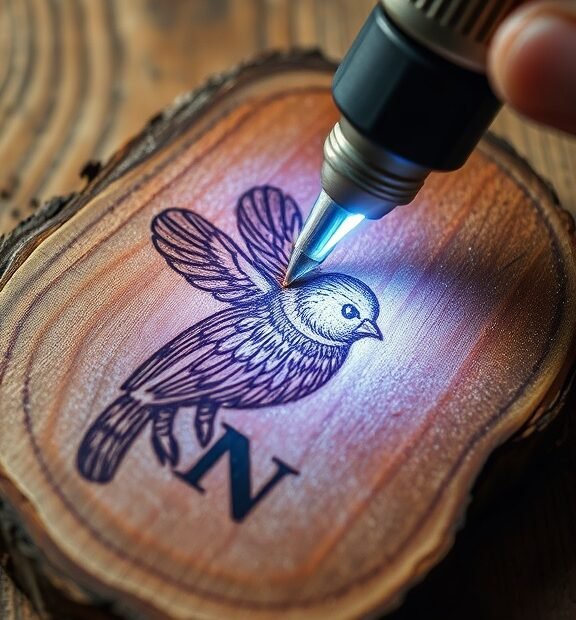
Techniques for Engraving Wood with a Soldering Iron
Engraving wood with a soldering iron is a wonderful and creative way to personalize items or create beautiful art pieces. Though many people might think of soldering irons primarily for electronics work, they can double as effective engraving tools. In this guide, you will learn various techniques to engrave wood using a soldering iron, along with tips to ensure your project is successful.
Before starting, gather your materials. You will need:
- A soldering iron
- Wood piece (softwoods like pine or cedar are best)
- Pencil and paper for sketching designs
- Sandpaper (optional)
- Wood finish or sealant (optional)
First, make sure your soldering iron is suitable for wood engraving. It should have a fine tip to allow for detailed designs. Thicker tips are better for larger engraving projects, while finer tips will be more suitable for intricate designs.
Consider the following techniques to enhance your engraving skills:
Practice Your Design
Start by sketching your design on paper first. This allows you to visualize how your engraving will look. Once you’re satisfied, transfer the design onto the wood using a pencil. Light lines are best, as they can be easily erased or covered during the engraving process.
Heat the Soldering Iron
Plug in your soldering iron and let it heat up. You’ll want to ensure it reaches a temperature sufficient for burning into the wood. Test it on a scrap piece of wood to find the right temperature. If the iron is too cool, your lines will be faint; if it’s too hot, it could burn too deeply or char the wood.
Engraving Technique
When you feel ready to begin, hold the soldering iron like a pencil. Start with light pressure and gently guide the tip along your sketched lines. Let the heat do the work. Avoid pressing too hard, which can damage the wood or the tip of the soldering iron. You can use different techniques such as:
- Continuous Line Engraving: Follow the lines of your design without lifting the soldering iron. This creates a smooth, solid line.
- Dot Technique: Instead of drawing continuous lines, create dots along the path of your design. This can add texture and a unique look.
- Shading Technique: Use a combination of lighter and darker burns to create shading. Move the soldering iron quickly over the wood for lighter shades and slow for darker tones.
Take Breaks
Engraving can take time, especially for more detailed projects. Take periodic breaks to avoid fatigue and allow your hand to rest. This will also help maintain control over your movements.
Finishing Touches
Once you’ve completed your engraving, you might want to smooth rough edges using sandpaper. This will help give your project a polished look. If desired, apply a wood finish or sealant to protect your engraving and enhance the natural beauty of the wood.
Cleaning Your Soldering Iron
After finishing your project, it’s essential to clean your soldering iron tip to ensure it remains effective for future use. Wipe the tip with a damp sponge or cloth, and make sure it’s unplugged while cleaning.
Engraving wood with a soldering iron is not only a fun hobby but also an excellent opportunity to create personalized gifts or unique home decor. With practice and by employing these techniques, you can produce wonderful wooden items that showcase your creativity and skill. Remember to take your time and enjoy the process. Happy engraving!
Comparing Soldering Iron Engraving to Traditional Wood Burning Methods
When it comes to engraving on wood, enthusiasts often look for methods that offer precision and creativity. Two popular techniques in this space are soldering iron engraving and traditional wood burning methods. Each technique carries its own set of advantages and challenges, allowing artists and crafters to choose based on their preferences and project needs.
Soldering iron engraving involves using a heated soldering iron to etch designs onto wood surfaces. This method is relatively straightforward and allows for a variety of line thicknesses depending on the tip used. Here are some points to consider:
- Precision: With the right tip, soldering iron engraving can provide clear and crisp lines. The artist can manipulate the speed and pressure to create varying depths and textures.
- Flexibility: Soldering irons come with interchangeable tips that can produce different effects. This versatility can help crafters achieve the desired design without the need for additional tools.
- Accessibility: Many people already own soldering irons, making it an accessible option for wood engravers. This can be especially helpful for beginners looking to experiment without a large initial investment.
In contrast, traditional wood burning methods, often referred to as pyrography, offer a different experience. Pyrography uses a heated tool designed specifically for burning into wood. Here are some of the benefits associated with this technique:
- Artistic Control: Pyrography tools are designed for detailed work, which can allow artists to achieve fine lines and nuanced details that enhance intricate designs.
- Texturing Options: Many pyrography tools come with various tips, including wire nibs and shaders. These tips can create unique textures, adding depth and interest to the artwork.
- Heat Control: Typically, pyrography tools offer adjustable heat settings, giving you better control over the burning process. This helps in achieving a range of tones and depths that might be difficult with a soldering iron.
Both techniques involve some learning curve. However, there are significant differences in how each artist can approach their craft. When you engage in soldering iron engraving, you may find that it’s quicker to get started. The soldering iron is generally lighter and easier to maneuver for beginners. On the flip side, if you are serious about developing your skills in wood burning, the thoughtful, traditional pyrography approach may teach you essential techniques in shading and line work that could translate into other artistic endeavors.
The choice between these two methods can also depend on the type of project you are working on. For example, if you’re creating simple designs or working on a larger piece, this might be a great time to use a soldering iron. The speed can be beneficial, allowing you to cover a larger area. However, if you want to craft a highly detailed piece, traditional wood burning with its sophisticated tools may serve you better. The fine control over the heat and texture can make your art really pop.
Another factor to consider is the final look of the project. Soldering iron engraving can produce a darker line that might not blend as smoothly into the wood grain. This can be attractive for certain projects, but traditional wood burning usually results in a softer, more blended appearance, depending upon the wood used. If you seek a look that harmonizes more naturally with the wood, pyrography could be the superior choice.
Additionally, safety is paramount in any crafting project. With both methods, ensure you are working in a well-ventilated area and are using protective gear as needed. While soldering irons can create a clean burn, they also pose a risk of burning or damaging the wood if not used correctly. Pyrography tools can also overheat, leading to unintended burns if not handled carefully.
Ultimately, both soldering iron engraving and traditional wood burning methods bring unique qualities to wood projects. By evaluating your personal style, project requirements, and the desired outcome, you can select the method that enriches your craft and creativity.
Conclusion
Engraving wood with a soldering iron is a versatile technique that offers a unique approach to personalization and artistry. Whether you’re a hobbyist or a skilled craftsman, using a soldering iron can yield impressive results when you apply the right techniques. By adjusting the temperature and using varying tip sizes, you can create both fine details and bold designs, allowing for a wide range of artistic expression. It’s important to practice on scrap wood before tackling your final piece to gain confidence and control over your tool.
When comparing soldering iron engraving to traditional wood burning methods, both have their merits. Traditional wood burning tools often provide more temperature control and a better selection of tips designed specifically for engraving. However, soldering irons offer flexibility and are commonly found in many households, making them an accessible choice for beginners or those looking to experiment without a heavy investment.
Ultimately, the best method for you will depend on your comfort level, the tools you have, and the effect you wish to achieve. Regardless of which method you choose, engraving wood can be a delightful process that brings your creative visions to life. Embrace the learning journey, explore different techniques, and enjoy the satisfaction of creating personalized wooden pieces that you or others can cherish for years to come. Each engraving can tell a story, allowing you to leave your mark—one project at a time!